
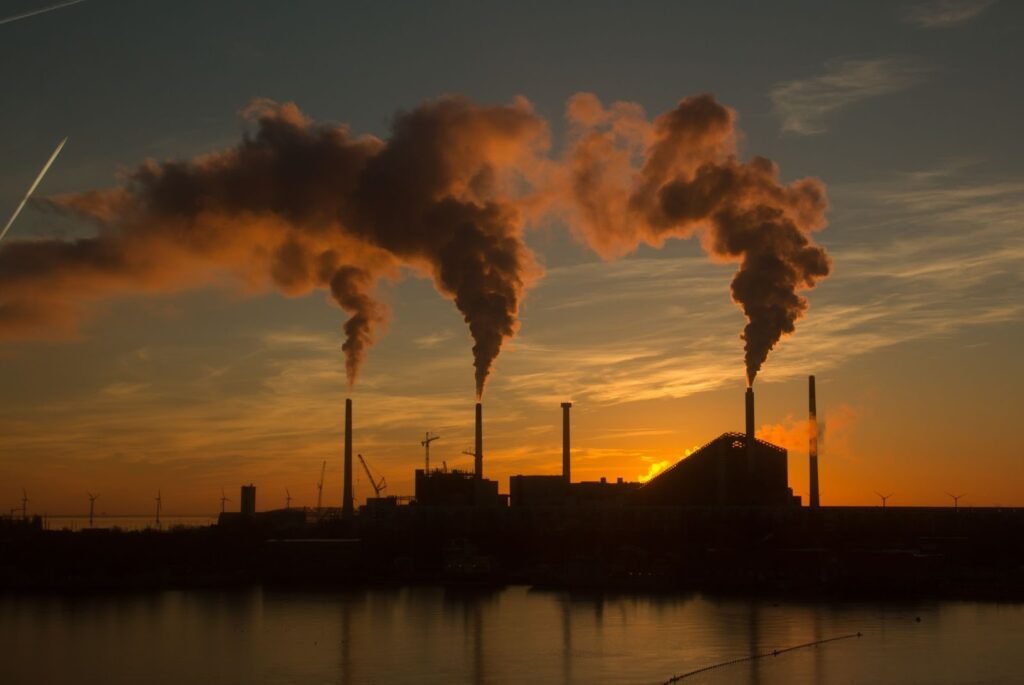
When we talk about industrial air pollution, greenhouse gases like carbon dioxide often dominate the conversation. However, from my perspective as an environmental consultant, there is an immediate, localized hazard that demands our urgent attention: sulfur dioxide ($SO_2$). Working with industrial facilities to improve environmental compliance, I frequently see how the burning of sulfur-heavy fossil fuels, whether coal in power plants or diesel in heavy transportation, releases massive plumes of this pungent, colorless gas into our atmosphere. It acts as a primary destructive agent, quietly driving severe downstream environmental degradation and threatening community well-being.
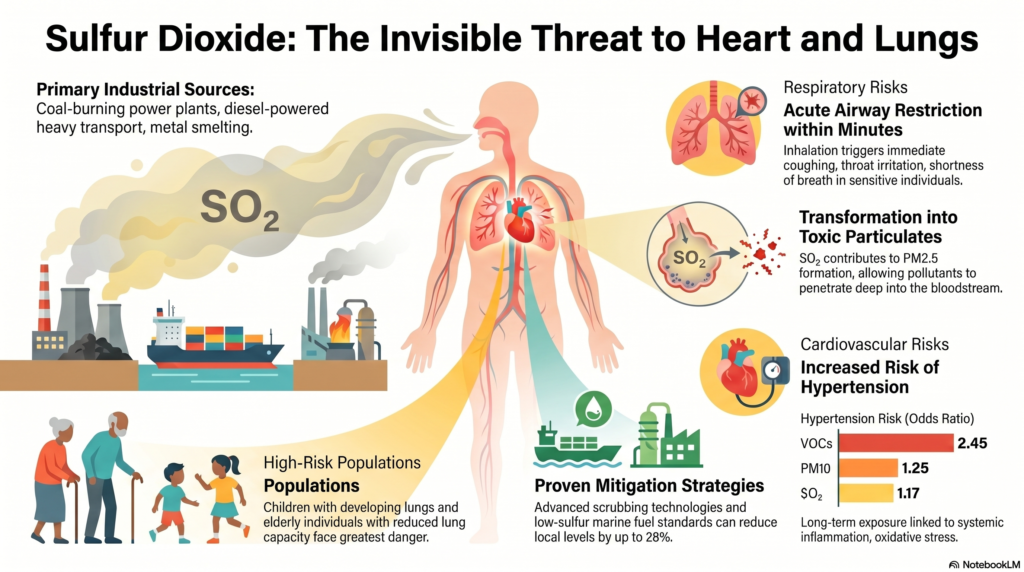
I always tell my clients that regulatory compliance isn’t just about avoiding penalties; it is about recognizing how these emissions directly alter human biology. Within minutes of inhalation, elevated levels of $SO_2$ trigger acute airway restriction, making simple breathing a painful struggle for vulnerable individuals.
Out in the field, or even when I am teaching my kids about atmospheric chemistry during weekend camping trips, I emphasize that the air we breathe carries a chemical footprint. When industrial infrastructure sits too close to residential neighborhoods, it creates a severe public health imbalance that cannot be ignored. Addressing this invisible threat requires us to bridge the gap between industrial operations and human health, shifting our focus from passive monitoring to aggressive, localized mitigation.
Sulfur dioxide (SO₂) air pollution is a significant health risk, causing both acute and chronic respiratory and cardiovascular issues. Short-term exposure can lead to coughing, throat irritation, and shortness of breath, particularly in sensitive populations such as children and the elderly. Long-term health effects include chronic respiratory diseases and increased cardiovascular risks, including hypertension and heart attacks. SO₂ exposure is linked to higher mortality rates from cardiopulmonary conditions, exacerbating pre-existing health issues. Understanding these effects is crucial for implementing effective public health strategies and regulatory measures to improve air quality and protect at-risk populations. Further insights await exploration.
KEY TAKEAWAYS
- Sulfur dioxide (SO₂) exposure causes acute respiratory issues, including coughing, throat irritation, and shortness of breath, especially in vulnerable populations.
- Long-term exposure to SO₂ is linked to chronic respiratory diseases like asthma and chronic bronchitis, reducing overall lung function.
- SO₂ contributes to cardiovascular risks, including hypertension and heart disease, by damaging blood vessels and promoting inflammation.
- Vulnerable populations, such as children, the elderly, and those with pre-existing conditions, are at greater risk of health impacts from SO₂ exposure.
- Effective mitigation strategies, including regulatory measures and public awareness campaigns, are essential for reducing SO₂ emissions and protecting public health.
SOURCES OF SULFUR DIOXIDE
Sulphur dioxide is produced mainly from the combustion of fossil fuels that contain sulphur, such as coal and oil (eg, coal being burnt in a home fireplace for heating and diesel-powered vehicles). Sulphur dioxide is also produced from some industrial processes (eg fertiliser manufacturing, aluminium smelting and steel making). Sulfur dioxide (SO₂) is a colorless gas with a pungent odor, primarily produced from both natural and anthropogenic sources. The predominant anthropogenic contributors include industrial emissions, particularly from the combustion of fossil fuels in power plants and manufacturing facilities. In industrial emissions, sulfur dioxide functions as the active ingredient responsible for many of the downstream environmental and health impacts associated with fossil fuel combustion, particularly in power plants and manufacturing facilities. In this scenario, coal-burning power plants are significant sources, releasing large quantities of SO₂ into the atmosphere. Additionally, oil refineries and metal smelting operations further exacerbate the problem, underscoring the need for rigorous regulatory measures.
Natural sources of sulfur dioxide include volcanic eruptions and the decomposition of organic matter. These phenomena, while contributing to atmospheric SO₂ levels, are often overshadowed by human activities that have intensified its presence. The environmental impact of sulfur dioxide is profound, as it can lead to acid rain formation, which adversely affects ecosystems, water quality, and infrastructure.
Detection methods for SO₂ have evolved, employing advanced technologies such as remote sensing and ground-based monitoring systems. These methods enhance public awareness regarding air quality and the potential health implications associated with elevated SO₂ levels. As society increasingly acknowledges the economic implications of air pollution, including healthcare costs and reduced worker productivity, health education becomes paramount. By fostering understanding of sulfur dioxide’s sources and effects, communities can advocate for more stringent regulations, encouraging industries to adopt cleaner technologies and thereby protect both public health and the environment.
Short-term Health Effects
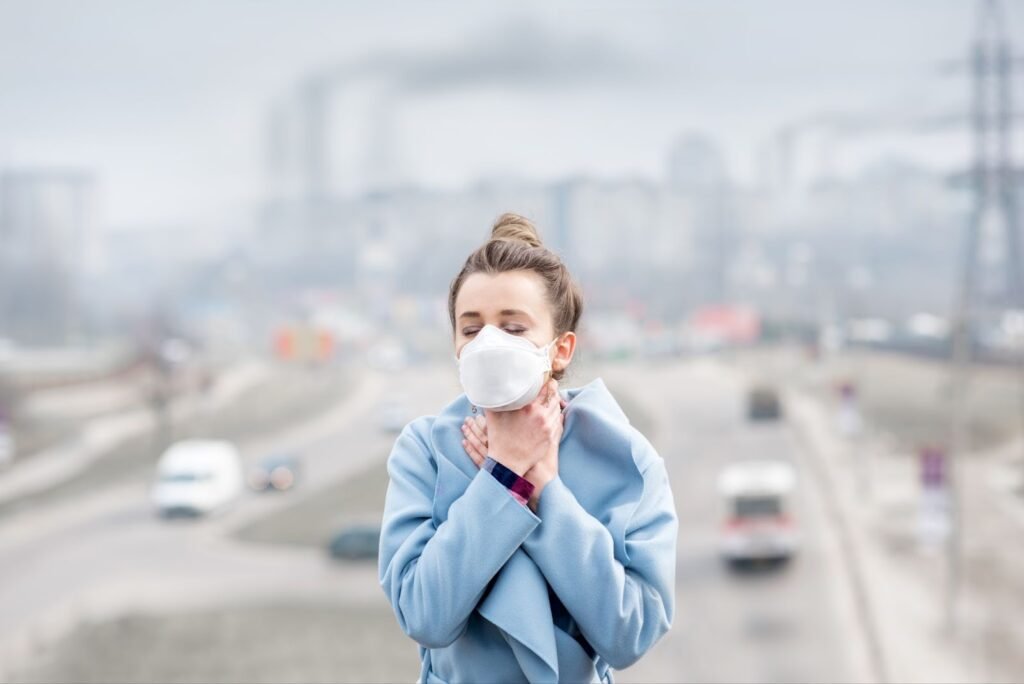
Exposure to elevated levels of sulfur dioxide can lead to a range of acute respiratory issues, underscoring the gas’s significant impact on public health. Short-term exposure to this pollutant is particularly concerning for vulnerable populations, including children, the elderly, and individuals with pre-existing respiratory conditions. Acute symptoms manifest rapidly, often within minutes of inhalation, and can escalate in severity based on the concentration of sulfur dioxide in the air. Short-term exposures to SO2 can harm the human respiratory system and make breathing difficult. People with asthma, particularly children, are sensitive to these effects of SO2.
Typical acute symptoms include:
- Coughing: An immediate reflex in response to airway irritation.
- Throat irritation: A burning sensation that can lead to discomfort and difficulty swallowing.
- Shortness of breath: Particularly pronounced in individuals with asthma or chronic obstructive pulmonary disease (COPD).
- Chest tightness: A sensation of constriction that can exacerbate anxiety and respiratory distress.
- Wheezing: A high-pitched whistle during breathing, indicating narrowed airways.
Research indicates that even short-term exposure can trigger exacerbations of asthma and other respiratory conditions, leading to increased hospital admissions and emergency room visits. The immediate health implications require a proactive approach to air quality management, particularly in urban areas where industrial emissions and vehicle exhaust are prevalent. Understanding these acute symptoms is essential for individuals to take necessary precautions and advocate for cleaner air, thereby safeguarding their health and the health of their communities.
Long-term Health Consequences
The implications of sulfur dioxide on health extend beyond immediate respiratory discomfort, as long-term exposure poses significant risks to overall well-being. Chronic exposure to sulfur dioxide (SO2) can lead to a multitude of adverse health outcomes, particularly affecting the respiratory and cardiovascular systems. Studies have demonstrated that prolonged inhalation of this pollutant is associated with the development of chronic respiratory diseases, including asthma, chronic bronchitis, and reduced lung function.
The environmental impact of sulfur dioxide extends its health ramifications, as the substance contributes to the formation of fine particulate matter (PM2.5) and acid rain, both of which contaminate soil and water systems, raising related concerns about environmental toxins and food safety, including questions such as do freshwater fish have mercury due to pollution-driven bioaccumulation. The inhalation of these fine particles can penetrate deep into the lungs and enter the bloodstream, resulting in systemic inflammation and increased risk of cardiovascular diseases, such as hypertension and heart attacks.
Moreover, research indicates that long-term exposure to elevated levels of sulfur dioxide correlates with increased mortality rates, particularly from cardiopulmonary conditions. The cumulative effects of SO2 on health can diminish quality of life, leading to increased healthcare costs and loss of productivity.
Given that sulfur dioxide is prevalent in urban and industrial areas, it is vital for individuals and communities to be aware of the long-term health consequences associated with chronic exposure. Mitigating SO2 emissions through policy initiatives and personal choices remains essential in ensuring a healthier environment, thereby safeguarding public health for future generations.
VULNERABLE POPULATIONS
Children are at higher risk from SO2 exposure because their lungs are still developing. They are also more likely to have asthma, which can get worse with SO2 exposure. Among various groups, certain populations are particularly vulnerable to the adverse effects of sulfur dioxide (SO2), necessitating focused attention on their health needs. Research indicates that specific demographics face heightened risks due to physiological and environmental factors.
- Children Exposure: Young children have developing respiratory systems, which heightens their sensitivity to air pollutants like SO2.
- Elderly Sensitivity: Older adults often experience decreased lung function and other age-related health issues, making them more susceptible to SO2 exposure.
- Occupational Hazards: Workers in industries such as mining and manufacturing may be regularly exposed to elevated levels of SO2, increasing their risk of acute and chronic health effects.
- Pre-existing Conditions: Individuals with asthma, cardiovascular diseases, or other pre-existing health conditions are at a greater disadvantage, as SO2 can exacerbate their ailments.
- Socioeconomic Factors: Populations living in impoverished conditions may face greater exposure to SO2 due to proximity to industrial sites, compounded by environmental risks such as lead soil contamination, which further increases long-term health vulnerabilities.
The interplay of these factors underscores the need for tailored health interventions and regulatory measures aimed at protecting these vulnerable groups. By addressing the specific risks faced by children, the elderly, occupational workers, and those with pre-existing conditions, public health initiatives can foster a more equitable approach to air quality management. Such measures not only enhance individual well-being but also promote broader community health outcomes, allowing all individuals the freedom to thrive in a cleaner environment.
Respiratory Issues
Respiratory issues frequently arise as a direct consequence of sulfur dioxide (SO2) exposure, manifesting in both acute and chronic forms. SO2 is a potent irritant that affects the respiratory tract, leading to inflammation and exacerbating pre-existing conditions, particularly asthma. For individuals with asthma, exposure to SO2 serves as a significant asthma trigger, resulting in increased frequency and severity of asthma attacks. The relationship between SO2 exposure and compromised lung function is well-documented; studies have shown that even short-term exposure can lead to measurable decreases in lung function, particularly in vulnerable populations such as children and the elderly.
Acute responses to SO2 exposure may include coughing, wheezing, and shortness of breath, which are indicative of bronchoconstriction. These symptoms can escalate in individuals with underlying respiratory conditions, leading to emergency medical situations. Chronic exposure, on the other hand, is associated with long-term damage to lung tissue, potentially resulting in chronic obstructive pulmonary disease (COPD) and diminished overall lung function.
Moreover, the cumulative effects of elevated SO2 levels can lead to increased susceptibility to respiratory infections, further complicating health outcomes. The World Health Organization (WHO) has established guidelines to limit SO2 exposure, recognizing its detrimental impact on respiratory health. Effective air quality management and public health interventions are essential in mitigating these risks, particularly for those living in areas with high levels of sulfur dioxide pollution. Understanding the intricate relationship between SO2 exposure and respiratory health is fundamental for fostering a healthier environment and safeguarding individual freedoms related to health.
Cardiovascular Risks
In my consulting practice, evaluating chemical hazards requires looking past the immediate symptoms to understand systemic, long-term ecological and physiological impacts. Short-term exposure to SO2 is notorious for causing immediate misery, inducing reflexive coughing, burning throat irritation, severe wheezing, and chest tightness. These acute signs are critical warning signals, especially for asthmatic children or elderly individuals with reduced lung capacity. Yet, the true danger lies in chronic exposure. Over time, prolonged inhalation of SO2 fundamentally damages lung tissue, accelerates chronic obstructive pulmonary disease (COPD), and triggers deep systemic inflammation.
Furthermore, recent systematic reviews and meta-analyses establish a terrifyingly clear link between long-term SO2 exposure and a heightened risk of developing hypertension, driven by oxidative stress and endothelial dysfunction. The gas also contributes to fine particulate matter (PM2.5) and acid rain, which corrupts our soil and triggers toxic bioaccumulation in freshwater ecosystems.
From an operational standpoint, we have the tools to change this. Implementing advanced scrubbing technologies in coal-fired plants and enforcing low-sulfur marine fuel standards in global coastal cities have already proven to slash ambient SO2 levels by 10% to 28% in busy port zones. However, spatial modeling reveals that serious monitoring gaps still exist, leaving many downwind residential areas entirely unmonitored and unprotected. We must adopt comprehensive tracking networks, combining ground-level sensors, drones, and satellite remote sensing, to ensure compliance and protect workers and neighboring families from these severe occupational and environmental hazards.
Exposure to sulfur dioxide (SO2) not only compromises respiratory health but also presents significant cardiovascular risks. Research has increasingly linked sulfur dioxide exposure to the exacerbation of cardiovascular disease (CVD), highlighting its potential to trigger serious health complications. Various studies have demonstrated that SO2 can impact vascular function, leading to adverse outcomes.
Key cardiovascular risks associated with sulfur dioxide exposure include:
- Increased blood pressure: SO2 may contribute to hypertension, a major risk factor for heart disease.
- Inflammation: The exposure prompts inflammatory responses that can damage blood vessels and promote atherosclerosis.
- Arrhythmias: Disruptions to the cardiovascular system may lead to irregular heartbeats, increasing the risk of heart failure.
- Reduced endothelial function: SO2 can impair the endothelium, the thin layer of cells lining blood vessels, essential for maintaining vascular health.
- Elevated oxidative stress: The presence of sulfur dioxide can amplify oxidative stress, further damaging cardiovascular tissues.
The implications of these risks are profound, as cardiovascular disease is a leading cause of morbidity and mortality worldwide. Understanding the relationship between sulfur dioxide and CVD is fundamental for public health initiatives aimed at reducing air pollution levels. As individuals seek to live freely and healthily, recognizing these risks is imperative for informed decision-making regarding environmental exposure. Ultimately, addressing sulfur dioxide emissions is essential for safeguarding cardiovascular health and ensuring a healthier future for all.
Mitigation Strategies
Effective mitigation strategies are crucial to reducing the health impacts associated with sulfur dioxide (SO2) exposure. Regulatory measures play a critical role in controlling SO2 emissions from industrial sources, power plants, and vehicles. Implementing stringent emission standards and promoting cleaner technologies can markedly lower ambient SO2 levels, thereby improving air quality and public health. For instance, the introduction of scrubbers in coal-fired power plants has demonstrated a notable reduction in sulfur emissions, showcasing a successful application of regulatory intervention.
In tandem with regulatory measures, fostering public awareness is essential. Educating communities about the sources and health effects of SO2 can empower individuals to advocate for cleaner air policies and adopt personal protective measures, such as staying indoors during high pollution days or utilizing air purifiers. Public awareness campaigns can also encourage local governments to invest in green infrastructure, such as urban forests and green spaces, which help absorb pollutants and enhance overall air quality.
Moreover, collaboration between governmental agencies, non-profit organizations, and community stakeholders can amplify efforts to mitigate SO2 emissions. By working together, these entities can share resources, research, and best practices to develop thorough air quality management plans. Ultimately, a multifaceted approach that combines regulatory measures with public engagement is crucial for effectively addressing the health risks posed by sulfur dioxide. Through concerted efforts, society can guarantee cleaner air and better health outcomes for all individuals, embodying the freedom to breathe safely and live healthily.

RELATED STUDIES ABOUT SULFUR DIOXIDE AIR POLLUTION
To summarize, sulfur dioxide air pollution poses significant threats to human health, resembling a silent predator that gradually undermines well-being. Short-term exposure can trigger immediate respiratory distress, while long-term consequences are linked to chronic respiratory and cardiovascular diseases. Vulnerable populations, including children and the elderly, are particularly at risk. Implementing effective mitigation strategies is essential to reduce sulfur dioxide emissions and protect public health, fostering a cleaner environment for all.
Identifying Surface Sulphur Dioxide (So₂) Monitoring Gaps In Saint John, Canada With Land Use Regression And Hot Spot Mapping
Objective: To identify areas in Saint John, New Brunswick, Canada, where gaps in the ground-level SO₂ monitoring network exist, potentially leaving communities with high pollution exposure unmonitored. The study aimed to create a high-resolution map of SO₂ concentrations to inform the strategic expansion of air quality monitoring.
Context: Saint John is an industrial port city with a history of SO₂ pollution from industries like oil refining and pulp/paper milling. Despite regulatory efforts, SO₂ and related pollutants still account for the majority of the province’s air quality exceedances, with most occurring in Saint John. The existing industry-operated monitoring network is sparse and unevenly distributed, concentrated near pollution sources and lacking coverage in residential areas.
Methodology: The researchers employed a two-stage, machine-learning-based Land Use Regression (LUR) model:
- Two-Stage Modelling: A classifier first identified whether a day was “SO₂-free” or “SO₂-polluted.” For polluted days, a regression model estimated the daily mean and maximum SO₂ concentrations.
- Data Integration: Models were trained on a combination of:
- Ground-based monitoring data (2022-2023).
- Satellite-derived SO₂ data from TROPOMI.
- A wide range of ancillary predictors: meteorological data (wind speed/direction, temperature), land use/cover, topography, building density, population density, and road networks.
- Spatiotemporal Lags: The model innovatively incorporated lagged features, accounting for the influence of nearby station readings and past days’ conditions, which significantly improved performance.
- Hot Spot Analysis: Model outputs were used to map high-concentration areas (hot spots) using Getis-Ord Gi* statistics and percentile-based methods.
Key Findings:
- Model Performance: The final Histogram-Based Gradient Boosting Model (HGBM) performed well, with 83% accuracy in classifying polluted days and explaining 46% and 44% of the variance (R²) in daily mean and maximum SO₂ concentrations, respectively.
- Identified Monitoring Gaps: Hot spot analysis revealed that high estimated SO₂ levels extend into northern, northeastern, and southeastern parts of Saint John, where no SO₂ monitors are currently located.
- Critical Role of Wind: Wind-related variables were among the most important predictors, indicating that SO₂ transport from industrial areas (like the east-end oil refinery) is a key driver of pollution in suburban and residential communities downwind.
- Limited Utility of Satellite-Only Data: While helpful, TROPOMI satellite column density data alone did not reliably identify surface-level hot spots in this urban setting, underscoring the need for integrated modelling.
- Specific Recommendations for New Monitoring Sites: The study prioritized several communities for new monitoring stations or short-term sampling campaigns to capture transported pollution, including:
- Northeast: Renforth, Golden Grove, Lakewood, Latimore Lake.
- Southeast: Areas near Anthonys Cove.
- North: Millidgeville and Sandy Point. The study also recommends adding SO₂ monitoring to three existing west-side stations that currently measure only Total Reduced Sulphur (TRS).
Conclusion:
This study successfully mapped intra-urban SO₂ hot spots and identified significant gaps in Saint John’s air monitoring network. The findings provide actionable insights for environmental regulators, suggesting that expanding monitoring capacity to the northeast, north, and southeast is crucial to protect downwind communities from SO₂ exposure. The methodology demonstrates the value of combining ground measurements, satellite data, and machine learning to optimize limited monitoring resources in industrially impacted cities.
Significance:
The approach offers a scalable framework for assessing air pollution monitoring gaps in other cities, ultimately supporting better public health protection through targeted exposure assessment and mitigation strategies.
| REFERENCE: Tsz Kin Siu, Christopher S. Greene, Kelvin C. Fong, Identifying surface sulphur dioxide (SO2) monitoring gaps in Saint John, Canada with land use regression and hot spot mapping, Atmospheric Environment, Volume 353, 2025, 121238, ISSN 1352-2310, https://doi.org/10.1016/j.atmosenv.2025.121238. (https://www.sciencedirect.com/science/article/pii/S1352231025002134) |
Association Between Air Pollutants Particulate Matter (Pm₂.₅, Pm₁₀), Nitrogen Dioxide (No₂), Sulfur Dioxide (So₂), Volatile Organic Compounds (Vocs), Ground-Level Ozone (O₃) And Hypertension
Objective: To synthesize and analyze the global scientific evidence on the association between long-term exposure to common air pollutants and the risk of developing hypertension (HTN), a major risk factor for cardiovascular disease.
Methodology: This study was a systematic review and meta-analysis following PRISMA guidelines.
- Data Sources: PubMed, Web of Science, Scopus, and Google Scholar were searched for relevant literature.
- Study Selection: From an initial 108 articles, 28 original studies (primarily cross-sectional) were selected for final analysis. The studies spanned multiple countries and included a total of 2,540,441 participants.
- Analysis: Pooled odds ratios (OR) with 95% confidence intervals (CIs) were calculated using random-effects models to assess the relationship between each pollutant and hypertension risk.
Key Findings:
The meta-analysis found statistically significant positive associations between increased exposure to five major air pollutants and a higher incidence of hypertension:
- Volatile Organic Compounds (VOCs): Strongest association (OR = 2.45; 95% CI: 1.36–4.41).
- Particulate Matter PM₁₀: (OR = 1.25; 95% CI: 1.04–1.49).
- Sulfur Dioxide (SO₂): (OR = 1.17; 95% CI: 1.04–1.31).
- Nitrogen Dioxide (NO₂): (OR = 1.12; 95% CI: 1.01–1.25).
- Fine Particulate Matter PM₂.₅: (OR = 1.05; 95% CI: 1.02–1.08).
The association with ground-level ozone (O₃) was positive but not statistically significant (OR = 1.35; 95% CI: 0.67–2.72).
Proposed Biological Mechanisms: The study outlines several pathways through which air pollution may cause or exacerbate hypertension:
- Systemic Inflammation & Oxidative Stress: Inhalation of pollutants triggers inflammatory responses and the production of reactive oxygen species, damaging blood vessels.
- Endothelial Dysfunction: Pollution reduces the availability of nitric oxide, a key vessel-widening molecule, leading to vasoconstriction.
- Autonomic Nervous System Imbalance: Pollutants can disrupt the nervous system’s regulation of heart rate and blood vessel tone, favoring constriction.
- Direct Vascular Effects: Particulate matter can directly cause arteries to constrict and become stiffer.
Conclusions & Recommendations:
The study concludes that exposure to PM₂.₅, PM₁₀, NO₂, SO₂, and VOCs significantly increases the population-level risk of hypertension. This underscores air pollution as a major, modifiable risk factor for cardiovascular disease.
The authors recommend a multi-pronged public health strategy:
- Policy Interventions: Implement stricter emission controls, promote clean energy sources, and develop transportation policies that reduce ambient pollution.
- Public Health Campaigns: Integrate education about the cardiovascular risks of air pollution into broader heart health initiatives.
- Protection of Vulnerable Groups: Develop targeted interventions for populations at high risk of exposure.
- Global Action: Encourage health officials and policymakers to establish regional and global strategies to minimize air pollution, thereby improving cardiovascular outcomes and overall population well-being.
| REFERENCE: Sultan Ayoub Meo, Narmeen Shaikh, Metib Alotaibi, Association between air pollutants particulate matter (PM2.5, PM10), nitrogen dioxide (NO2), sulfur dioxide (SO2), volatile organic compounds (VOCs), ground-level ozone (O3) and hypertension, Journal of King Saud University – Science, Volume 36, Issue 11, 2024, 103531, ISSN 1018-3647, https://doi.org/10.1016/j.jksus.2024.103531. (https://www.sciencedirect.com/science/article/pii/S1018364724004439) |
The Impact Of Low-Sulfur Marine Fuel Policy On Air Pollution In Global Coastal Cities
Objective: To quantitatively assess the causal impact of global and regional low-sulfur marine fuel regulations on sulfur dioxide (SO₂) air pollution in coastal cities worldwide, comparing the effectiveness of Emission Control Areas (ECAs) and global sulfur caps.
Methodology: This study employed a novel, high-resolution approach combining satellite remote sensing data with spatial econometric modelling.
- Data: Satellite-derived Planetary Boundary Layer (PBL) SO₂ column concentration data (2005-2019) were used as the primary dependent variable, overcoming the geographic limitations of ground-based monitors.
- Model: A Spatial Difference-in-Differences (SDID) model was constructed. This model accounts for the spatial spillover of air pollution between regions—a key improvement over traditional models—and uses inland cities as control groups for coastal treatment groups.
- Study Areas: Key global shipping regions were analyzed: North America, the Baltic/North Seas, China, and the Mediterranean Sea. Policies evaluated included regional ECAs (with sulfur caps of 1.0% and 0.1%) and the global sulfur cap (3.5%).
Key Findings:
- Overall Policy Effectiveness: Low-sulfur fuel policies are effective in reducing SO₂ pollution in coastal cities, especially in areas with frequent ship traffic. However, the magnitude of impact varies significantly by region and policy type.
- Regional Heterogeneity:
- North America: ECAs were effective, reducing spatially averaged SO₂ concentrations by 4.8% (1.0% cap in 2012) and 4.4% (0.1% cap in 2015). Port cities and busy shipping lanes saw reductions of 10-28%.
- China: The global 3.5% cap (2012) reduced SO₂ by 3.8%. China’s Domestic ECAs (DECAs, 0.5% cap from 2015 onward) contributed an additional ~3.3% reduction.
- Mediterranean Sea: The global 3.5% sulfur cap was the most effective single policy, reducing coastal SO₂ by 6.4%.
- Baltic/North Seas: Surprisingly, the SDID model found no statistically significant impact from ECAs on spatially averaged SO₂ levels. This may be because ships were already using relatively low-sulfur fuels before stricter ECA rules were enforced.
- Port vs. Regional Average: While region-wide average reductions were modest (3-6%), targeted analyses of major port cities showed substantially larger benefits, with SO₂ reductions between 10% and 28%.
- Key Success Factors: The study identified enforcement (spot-check rates and penalties) and the nature of the policy as critical determinants of success. North America’s higher compliance checks (~25%) correlated with better results. Global regulations were found to be a robust tool, as they avoid regulatory gaps and can incentivize refinery upgrades.
Policy Recommendations:
- Strengthen Global Standards: Harmonizing and tightening global sulfur caps is a powerful, uniform approach to reducing coastal SO₂ pollution.
- Enhance Enforcement: Increase fuel sampling rates in ECAs to securely above 20% and implement a compound penalty system (fines and detention) tailored to violation severity and frequency.
- Adopt a Phased ECA Strategy: Countries should start by designating heavily polluted areas as ECAs, then gradually expand coverage and raise standards as experience and enforcement mechanisms mature.
- Embrace Technology: Utilize a comprehensive monitoring network (fixed stations, drones, satellites) for real-time emission tracking and compliance verification.
Conclusion:
This study provides robust, causal evidence that mandating low-sulfur marine fuel improves air quality in coastal cities. The integration of satellite data and spatial econometrics offers a superior framework for policy evaluation. The findings underscore that while both global and regional policies work, their effectiveness hinges on stringent enforcement and the specific regional context. The research offers clear guidance for international organizations and policymakers to design more effective measures to mitigate the significant public health and environmental impacts of shipping emissions.
| REFERENCE: Jia Shi, Jihong Chen, Zheng Wan, Shaorui Zhou, Ye Jun, Yaqing Shu, The impact of low-sulfur marine fuel policy on air pollution in global coastal cities, Sustainable Horizons, Volume 14, 2025, 100130, ISSN 2772-7378, https://doi.org/10.1016/j.horiz.2024.100130. (https://www.sciencedirect.com/science/article/pii/S2772737824000415) |
CONCLUSION
Ultimately, mitigating sulfur dioxide air pollution is a definitive test of our collective commitment to a sustainable future. Through my work advising corporations and evaluating environmental data, it has become undeniable that a single-focused approach is bound to fail. Protecting public health demands a aggressive, multi-pronged strategy that seamlessly unites strict government enforcement, advanced industrial technology, and robust community advocacy. When countries establish stringent Emission Control Areas and back them up with heavy sampling rates and severe compliance penalties, emissions drop, and communities begin to heal.
We must continue to push industries to upgrade to cleaner production methods while simultaneously expanding high-resolution land-use regression modeling to wipe out localized monitoring gaps. On a personal note, whether I am cycling through clean air or checking on my beehives, I am constantly reminded of how deeply interconnected our ecosystems truly are.
Clean air should never be viewed as an industrial luxury or a secondary corporate metric; it is a fundamental environmental right. By fostering deep public awareness and holding industrial operators strictly accountable to science-based safety standards, we can dismantle the threat of SO2 pollution. Let’s commit to engineering a cleaner, healthier, and completely uncompromised atmosphere for the generations to come.