

When we talk about maximizing crop productivity, everyone immediately jumps to the visually obvious signs of growth, lush green leaves, thick stalks, and towering plant heights. It is easy to get caught up in the vegetative aesthetic, but as someone who has spent fifteen years examining the literal foundation of agriculture, I know that true yield potential happens where the eye can’t see.
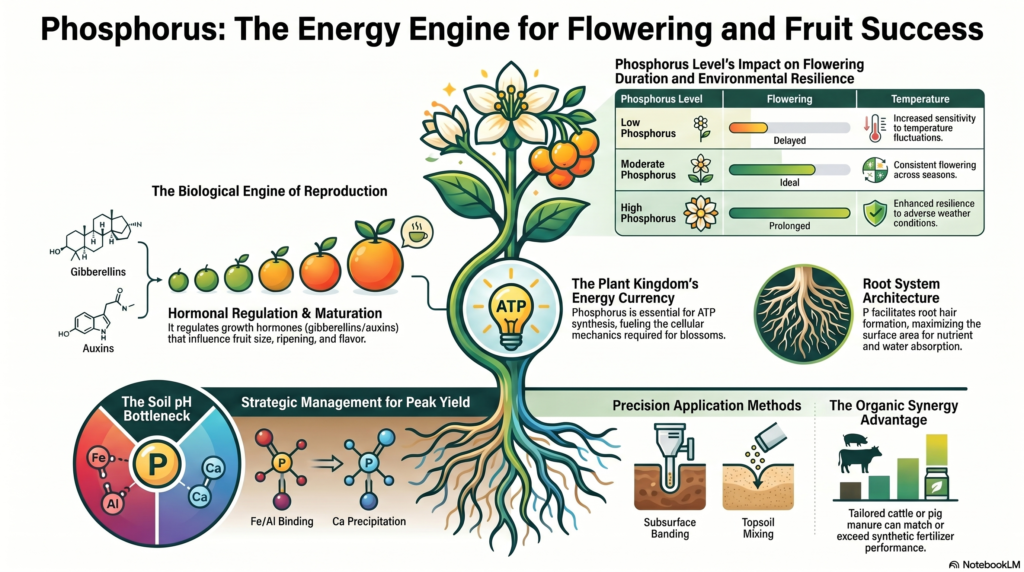
It begins down in the rhizosphere, and it is governed heavily by phosphorus. This macronutrient is nothing short of the plant kingdom’s energy currency. Without adequate phosphorus, your crops are essentially running on empty, unable to efficiently synthesize the adenosine triphosphate (ATP) required to fuel basic cellular mechanics, let alone the intensive shifts required to push out a single blossom. In my travels speaking at various agricultural conferences, I often see growers frustrated by fields that look perfectly healthy from a distance but fail to produce a high-quality fruit set. It’s a classic bottleneck.
Rain and environmental weathering constantly leach vital nutrients or leave them bound up in highly un-utilizable soil matrices. Bridging that gap isn’t just about throwing generic fertilizer at a field; it’s about understanding the delicate biochemical handshakes that turn a raw mineral into a vibrant, high-yielding harvest.
Phosphorus fertilizers are essential for improving flowering and fruit formation in plants. They facilitate energy transfer and root development, which enhances nutrient uptake, fundamental for successful flowering. Additionally, phosphorus plays a pivotal role in ATP synthesis, driving biochemical processes necessary for flower and fruit development. It also regulates hormones that influence fruit maturation and size, thereby affecting yield quality. Proper application of phosphorus, whether through organic or synthetic means, can greatly mitigate deficiencies that lead to poor flowering and inadequate fruit set. To further understand the specific benefits and techniques for optimizing phosphorus use, more detailed information is provided.
KEY TAKEAWAYS
- Phosphorus enhances energy transfer, promoting biochemical processes crucial for flowering and fruit development.
- It improves root development, leading to better nutrient uptake for optimal flower and fruit formation.
- Phosphorus is vital for ATP formation, which drives energy metabolism and growth hormone synthesis in plants.
- It regulates hormones involved in fruit maturation, impacting ripening characteristics and overall fruit quality.
- Application of phosphorus fertilizers can increase yield and improve the overall health of flowering plants.
IMPORTANCE OF PHOSPHORUS IN PLANTS
Phosphorus fertilizer is a nutrient-rich product that plays a crucial role in modern agriculture, supplying one of the three macronutrients essential for plant growth. As rain constantly washes phosphorus (P) from the soil, farmers rely on organic or synthetic fertilizers to replenish depleted reserves. Phosphorus plays an essential role in plant growth and development, as it is an important macronutrient that contributes to various physiological processes. Its importance is underscored by its involvement in energy transfer, photosynthesis, and the synthesis of nucleic acids, which are critical for cellular function and reproduction. The availability of phosphorus in the soil is paramount for ideal plant health, as it directly influences root development and overall plant vigor.
Phosphorus sources can be both organic and inorganic, with rock phosphate and superphosphate being the most commonly used fertilizers. The bioavailability of these phosphorus sources is inherently linked to soil characteristics such as pH, texture, and microbial activity. In acidic soils, phosphorus tends to bind with iron and aluminum, making it less available to plants. Conversely, in alkaline soils, phosphorus may precipitate with calcium, further limiting its accessibility.
To enhance phosphorus availability, soil amendments and proper fertilization practices must be employed. This includes the addition of organic matter, which can improve soil structure and increase microbial populations that facilitate phosphorus solubilization. Additionally, the timing and method of phosphorus application can greatly impact its uptake by plants. Understanding these factors is essential for agricultural practitioners aiming to maximize crop yields and guarantee sustainable farming practices. By addressing the availability of phosphorus in the soil, growers can enhance plant growth, leading to improved flowering and fruit formation in the subsequent stages of development.
How Phosphorus Affects Flowering
Phosphorus plays a critical role in energy transfer within plants, facilitating key biochemical processes essential for flowering. Its influence on root development enhances nutrient uptake, which is crucial for ideal flower formation and overall plant health. Additionally, phosphorus contributes to the timing of flowering, ensuring that plants bloom at the most advantageous moment for reproductive success. Phosphorus is one of the major plant nutrients in the soil. It is a constituent of plant cells, essential for cell division and development of the growing tip of the plant. For this reason it is vital for seedlings and young plants
Role in Energy Transfer
Understanding the essential role of phosphorus in energy transfer is important for enhancing flowering in plants. Phosphorus is a key component of adenosine triphosphate (ATP), the primary energy currency in cellular processes. ATP synthesis is critical for energy metabolism, facilitating the biochemical reactions that drive flowering and fruit formation.
In the context of flowering, phosphorus contributes to the regulation of various metabolic pathways that promote flower development. It aids in the conversion of light energy into chemical energy, which is fundamental for the synthesis of necessary growth hormones and metabolites. The presence of adequate phosphorus levels guarantees ideal ATP production, enabling plants to efficiently manage energy resources during important growth phases.
Moreover, phosphorus influences the activity of enzymes involved in energy transfer processes, enhancing the plant’s ability to respond to environmental stimuli and stressors. This responsiveness is particularly important during flowering, as it directly affects the timing and quality of flower formation. Consequently, maintaining sufficient phosphorus levels through fertilization can greatly enhance a plant’s flowering potential, ultimately leading to improved fruit set and yield. Understanding these dynamics underscores the significance of phosphorus in plant health and productivity.
Root Development Enhancement
From a pure soil mechanics and nutrient management standpoint, phosphorus management is arguably one of the most intellectually stimulating challenges an agronomy professional can tackle. Why? Because phosphorus is notoriously stubborn in the soil profile. Depending on your soil pH, it is incredibly prone to fixing and precipitating out of reach. If you are managing an acidic profile, it tightly binds to iron and aluminum; if you lean alkaline, it precipitates rapidly with calcium. This means that a massive portion of the phosphorus you apply might just sit there, completely unavailable to the root hairs.
Recent data highlights how beautifully dynamic this landscape is when we look at alternative nutrient pathways. For instance, long-term multi-site European studies have shown us that simply relying on continuous, single-nutrient phosphorus inputs doesn’t fundamentally change long-term soil organic carbon (SOC) stocks on its own. Instead, it requires a holistic systems approach that looks closely at nitrogen dynamics and balanced soil stoichiometry. This systems-level thinking is perfectly mirrored in recent research comparing organic animal manures to commercial monoammonium phosphate (MAP) in grain systems. We’ve seen that tailored applications of cattle or pig manure can match or even exceed the agronomic value of MAP. In low-phosphorus-sorbing sandy soils, thoroughly mixing these organic amendments into the topsoil maximizes biomass and grain yields by introducing a comprehensive nutrient synergy. Conversely, in highly fixed, clay-rich iron/aluminum oxide soils, precision subsurface banding remains the definitive strategy to bypass soil fixation and keep the nutrient accessible. However, a manager must stay vigilant; relying blindly on high-sodium options like chicken manure can inadvertently introduce salt toxicities that severely blunt plant fitness.
Furthermore, we cannot isolate nutrient applications from broader ecosystem consequences. Fascinating long-term data out of New Zealand pastures demonstrates that elevating phosphorus levels can completely alter insect pest communities. While it doesn’t reduce overall pest diversity, it significantly shifts community composition. For example, boosting phosphorus dramatically increases clover content, which sounds ideal, but it simultaneously causes a massive spike in specialist pests like the Clover Root Weevil. Meanwhile, pests like the Grass Grub show a highly non-linear, sensitive response, dropping off only at exceptionally high, often economically unsustainable application rates. It is a stark reminder that in agriculture, every action has a ripple effect. True optimization demands precise application techniques, whether that means pairing with urea fertilizer via fertigation systems to enhance uptake efficiency or perfectly timing applications right at the pre-flowering phase when hormonal and energy demands skyrocket.
The development of a robust root system is crucial for the overall health and productivity of flowering plants, and the presence of adequate phosphorus plays a significant role in this process. Phosphorus is a critical macronutrient that serves as the active ingredient in many fertilizers, directly supporting energy transfer, root development, and the biochemical processes required for flowering and fruit formation. This nutrient facilitates the formation of root hairs, thereby increasing the surface area for nutrient and water absorption, which is essential for plant vigor.
Moreover, phosphorus contributes to enhanced soil health by fostering beneficial microbial activity. Healthy soil organisms, such as mycorrhizal fungi, form symbiotic relationships with plant roots, enhancing phosphorus uptake and improving overall nutrient availability. This interaction not only supports root development but also contributes to the overall resilience of plants against environmental stressors.
Flowering Timing Optimization
How does phosphorus influence the timing of flowering in plants? Phosphorus plays an important role in the regulation of flowering duration and timing, particularly in response to seasonal variations. Adequate phosphorus availability can accelerate the shift from vegetative to reproductive growth, thereby enhancing flowering periods. This nutrient is integral to energy transfer and the synthesis of key hormones involved in flowering processes, such as gibberellins and auxins.
The following table illustrates the impact of phosphorus levels on flowering timing across different plant species:
| Phosphorus Level | Flowering Duration | Seasonal Variation Effect |
| Low | Delayed | Increased sensitivity to temperature fluctuations |
| Moderate | Ideal | Consistent flowering across seasons |
| High | Prolonged | Enhanced resilience to adverse weather conditions |
The timing of flowering is essential for reproductive success, as it guarantees synchronization with pollinators and ideal environmental conditions. By understanding phosphorus’s role, growers can utilize fertilizers effectively to manage flowering timing, improve yields, and adapt to changing climate patterns. Therefore, phosphorus fertilization emerges as a strategic tool in agronomy, promoting timely and abundant flowering.
Role of Phosphorus in Fruit Formation
Phosphorus plays a significant role in the complex biochemical processes that govern fruit formation in flowering plants. This essential nutrient is fundamental in several key functions that directly influence the yield and quality of fruit. Understanding the significance of phosphorus sources and the intricacies of nutrient cycling is critical for enhancing fruit production.
- Energy Transfer: Phosphorus is integral to the formation of ATP (adenosine triphosphate), which serves as the energy currency in plant cells, facilitating various metabolic reactions necessary for fruit development.
- Photosynthesis Enhancement: Adequate phosphorus levels improve the efficiency of photosynthesis, thereby increasing the production of sugars that serve as building blocks for fruit tissues.
- Cell Division and Growth: Phosphorus aids in cell division and elongation, essential processes for fruit growth. This nutrient guarantees that developing fruits have the necessary cellular architecture for peak size and quality.
- Fruit Maturation: Phosphorus contributes to the regulation of hormones involved in fruit maturation, influencing both the timing and quality of ripening. This process is fundamental for achieving desired characteristics such as flavor, texture, and color.
TYPES OF PHOSPHORUS FERTILIZERS
Phosphorus fertilizers can be classified into two primary categories: organic and synthetic. Organic phosphorus fertilizers derive from natural sources, providing a slow-release form of nutrients and enhancing soil health over time. In contrast, synthetic phosphorus fertilizers are manufactured through industrial processes, offering immediate nutrient availability to support rapid plant growth and development. Phosphorus fertilizers are produced from mined phosphate rocks. Rock phosphate is insoluble in high and neutral pH soils and must be dissolved with acid before it can act as an active ingredient in fertilizers.
Organic Phosphorus Fertilizers
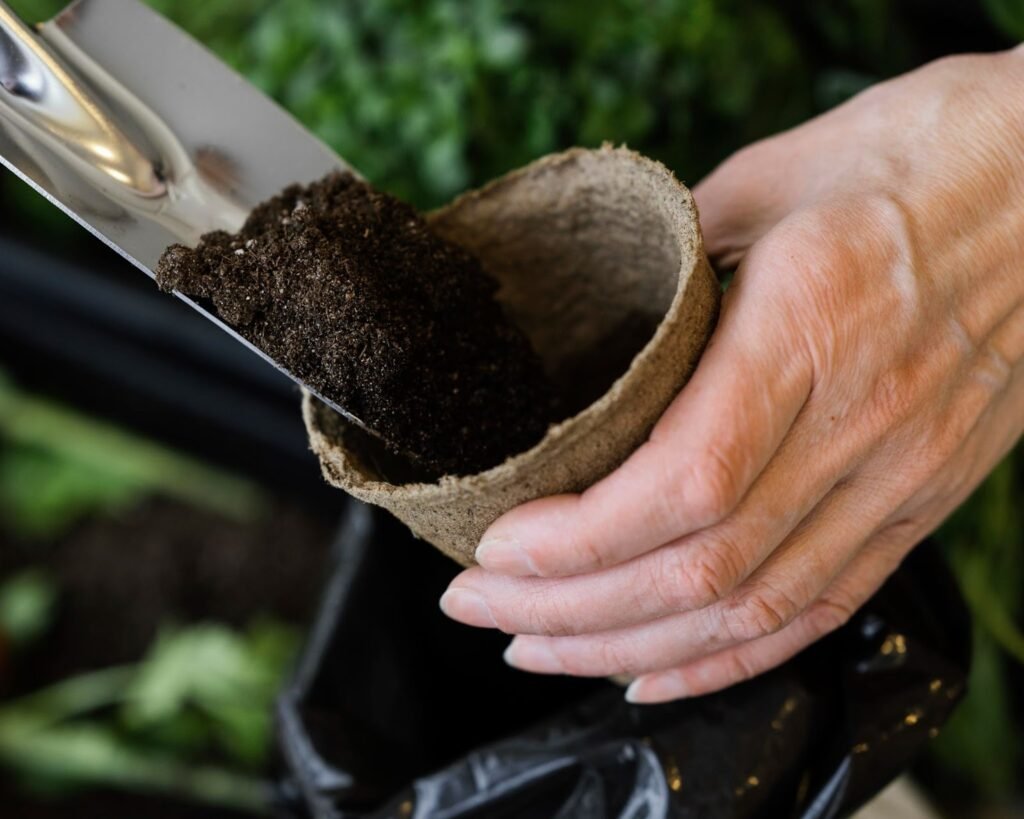
A variety of organic phosphorus fertilizers are available, each offering unique benefits for enhancing plant growth and promoting flowering and fruit formation. These fertilizers, derived from natural sources, not only supply essential phosphorus but also improve soil interactions, fostering a healthier ecosystem for plants.
Key types of organic phosphorus fertilizers include:
- Bone Meal: Rich in phosphorus and calcium, it promotes root development and flowering in various plants.
- Fish Emulsion: Provides a balanced nutrient profile, enhancing soil microbial activity while supplying phosphorus.
- Rock Phosphate: A slow-release option, it gradually makes phosphorus available in the soil, ideal for long-term soil fertility.
- Compost: Organic matter enriched with phosphorus from various sources, it enhances soil structure and nutrient availability.
Synthetic Phosphorus Fertilizers
When considering the role of phosphorus in agriculture, synthetic phosphorus fertilizers play an important role in providing readily available nutrients to crops. These fertilizers are primarily derived from mineral sources, primarily phosphate rock, which undergoes chemical processing to create soluble forms of phosphorus. The most common types include monoammonium phosphate (MAP) and diammonium phosphate (DAP), both of which offer high nutrient concentration and rapid availability to plants.
Synthetic phosphorus fertilizers serve as fundamental phosphorus sources that enhance flowering and fruit formation, promoting robust root development and energy transfer within the plant. Their application is essential during critical growth stages, as they guarantee that crops receive the necessary nutrients to optimize yields. Fertilizer application rates depend on soil tests and crop requirements, helping to mitigate the risks of over-fertilization and environmental impact.
While synthetic phosphorus fertilizers such as monoammonium phosphate (MAP) and diammonium phosphate (DAP) are commonly used, they are often applied alongside nitrogen sources like ammonium nitrate fertilizer to support balanced nutrient availability during critical growth stages. Incorporating organic matter and maintaining soil health can enhance the efficacy of these fertilizers, creating a synergistic effect that maximizes crop productivity and minimizes dependency on synthetic inputs. Ultimately, a holistic approach to phosphorus management is key to achieving sustainable agricultural systems.
Signs of Phosphorus Deficiency
Deficiency of phosphorus in plants can manifest through various physiological symptoms that greatly impact growth and development. Understanding these signs is important for identifying nutrient imbalances and implementing appropriate corrective measures. Phosphorus is essential for energy transfer, photosynthesis, and the synthesis of nucleic acids, making its deficiency particularly detrimental.
The following are key indicators of phosphorus deficiency:
- Stunted Growth: Plants may exhibit reduced height and overall size, reflecting their inability to develop adequately without sufficient phosphorus.
- Leaf Discoloration: A characteristic symptom includes dark green or purplish hues on the older leaves, indicating a lack of phosphorus available for chlorophyll production.
- Poor Flowering: Deficient phosphorus often results in fewer flowers or delayed flowering, impacting fruit set and overall yield.
- Weak Stems: The structural integrity of plants can be compromised, leading to weak stems that are more susceptible to breaking or falling over.
Additionally, delayed maturity may occur in crops, causing prolonged harvest times and potential economic losses. The combination of these symptoms not only reflects the immediate effects of phosphorus deficiency but also underscores the broader implications for plant health and productivity. Addressing phosphorus deficiency is essential for achieving ideal growth and ensuring robust flowering and fruit formation, ultimately leading to healthier, more productive crops.
Application Techniques for Phosphorus
Effective application techniques for phosphorus fertilizers are fundamental for optimizing plant health and maximizing flowering and fruit formation. Different methods can be employed to guarantee that phosphorus is available to plants at the right time and in the right form.
Broadcast application is a common technique where fertilizers are spread evenly across the soil surface. This method allows for wide coverage, but the phosphorus may not be immediately available to plants unless incorporated into the soil. Soil incorporation, through tillage or other means, can enhance the availability of phosphorus by mixing it into the root zone.
Fertigation methods, which involve applying fertilizers through irrigation systems, are often used to deliver phosphorus in combination with nitrogen sources such as urea fertilizer, improving nutrient uptake efficiency and supporting active growth phases. This can improve uptake efficiency and reduce nutrient losses.
Seed treatment is another effective technique, where phosphorus is applied directly to seeds before planting, guaranteeing that young plants have immediate access to this essential nutrient.
Foliar feeding, although less common for phosphorus, can be beneficial in specific situations where quick nutrient uptake is needed, especially during critical growth stages.
Timing strategies are important; applying phosphorus during key developmental phases, such as pre-flowering or during fruit set, can greatly enhance flowering and fruit formation.
| Application Technique | Description |
| Broadcast Application | Spread evenly across soil |
| Soil Incorporation | Mixed into the root zone |
| Fertigation Methods | Applied via irrigation systems |
| Seed Treatment | Direct application to seeds |
| Foliar Feeding | Applied directly to leaves |
Best Practices for Maximizing Benefits
Implementing best practices for maximizing the benefits of phosphorus fertilizers is essential for enhancing plant performance in flowering and fruit formation. The effectiveness of phosphorus fertilizers can be considerably influenced by the selection of phosphorus sources and the timing of application. To guarantee ideal results, consider the following best practices:
- Select Appropriate Phosphorus Sources: Utilize fertilizers with high bioavailability, such as monoammonium phosphate (MAP) or diammonium phosphate (DAP), which promote rapid uptake by plants.
- Optimize Application Timing: Apply phosphorus fertilizers during critical growth stages, particularly pre-flowering and early fruit development. This timing aligns nutrient availability with plant demand, enhancing flowering and fruit set.
- Monitor Soil pH: Maintain an ideal soil pH between 6.0 and 7.0 to maximize phosphorus availability. Soil amendments may be necessary to adjust pH, as acidic or alkaline conditions can immobilize phosphorus.
- Incorporate Fertilizers Properly: Employ application techniques such as banding or broadcasting that guarantee phosphorus is placed within the root zone. This practice minimizes nutrient loss and maximizes accessibility to plants.
RELATED STUDIES ABOUT PHOSPHORUS FERTILIZERS
In the intricate dance of plant development, phosphorus emerges as a key conductor, orchestrating the symphony of flowering and fruit formation. Its role, akin to sunlight illuminating a garden, transforms dormant buds into vibrant blooms and nurtures the burgeoning fruits that hang like jewels on the vine. By understanding the nuances of phosphorus application and addressing deficiencies, cultivators can enhance yields, ultimately resulting in a bountiful harvest that reflects the harmonious interplay of nutrients within the ecosystem.
Agronomic Phosphorus Fertiliser Value Of Animal Manures Is Comparable To Monoammonium Phosphate For Wheat Production
Objective: To determine whether common animal manures can serve as effective substitutes for mineral phosphorus (P) fertilizer (specifically monoammonium phosphate, MAP) in wheat production, without reducing crop yield or phosphorus use efficiency.
Key Findings:
- Comparable or Superior Fertilizer Value: For wheat production, cattle manure (CaM) and pig manure (PiM) demonstrated agronomic P fertilizer value comparable to or greater than MAP.
- To achieve 95% of maximum grain yield, the required P application rates were similar for CaM (125 mg P kg⁻¹ soil) and MAP (125 mg P kg⁻¹), and slightly higher for PiM (140 mg P kg⁻¹).
- When mixed into the topsoil, CaM and PiM actually increased biomass by 9.9-12.3% and grain yield by 19.7-20.9% relative to banded MAP.
- Chicken Manure Limitation: Chicken manure (ChM) performed poorly at high application rates, not due to low P availability, but because of sodium (Na) toxicity (tissue Na > 800 mg kg⁻¹), which reduced wheat growth and yield.
- Critical Role of Application Method: The optimal method for applying P depended heavily on soil type:
- In a low P-sorbing Arenosol (sandy soil), mixing manure or fertilizer throughout the topsoil significantly improved biomass, yield, and P uptake compared to subsurface banding.
- In a high P-sorbing Ferralsol (clay-rich, iron/aluminum oxide soil), subsurface banding was more effective for enhancing P uptake and plant growth.
- Nutrient Synergy: The superior maximum grain yields from CaM and PiM treatments, despite similar P uptake to MAP, suggest a beneficial synergy from additional nutrients (e.g., calcium, magnesium, copper, zinc) supplied by the manures. This indicates manures provide a more balanced nutrient package.
- Post-Harvest Soil P Dynamics: After harvest, the form of residual P in the soil differed between fertilizer types.
- In the Ferralsol, MAP led to more P retained as inorganic P (NaHCO₃-Pi), while CaM resulted in more P in the organic P (NaHCO₃-Po) fraction, which may influence longer-term P availability.
Conclusion:
Cattle and pig manures are viable and effective alternatives to conventional MAP fertilizer for supplying phosphorus to wheat. Their agronomic value is equivalent and can be superior, especially when application method is tailored to soil type (mixing in sandy soils, banding in clay soils). This supports the integration of manure into a circular nutrient economy, reducing reliance on finite rock phosphate resources. However, manure selection is critical, as high-sodium sources like some chicken manures can be detrimental. The study provides strong evidence for optimizing manure use as a strategic P source in sustainable wheat production systems.
| REFERENCE: Maryam Barati, Timothy I. McLaren, Chelsea Janke, Simon Diffey, Michael J. Reading, Abraham Gibson, Terry J. Rose, Agronomic phosphorus fertiliser value of animal manures is comparable to monoammonium phosphate for wheat production, Agriculture, Ecosystems & Environment, Volume 396, 2026, 109973, ISSN 0167-8809, https://doi.org/10.1016/j.agee.2025.109973. (https://www.sciencedirect.com/science/article/pii/S0167880925005055) |
Soil Nutrient Stoichiometry Impacts On Soil Organic Carbon Stocks In Long-Term Phosphorus Fertilisation Experiments
Purpose & Scope:
This study investigated whether long-term phosphorus (P) fertilisation influences soil organic carbon (SOC) stocks in agricultural soils, and how carbon (C), nitrogen (N), and phosphorus (P) stoichiometry interacts with SOC storage. The research was conducted across six long-term experimental sites (LTEs) in Europe (three grasslands and three arable systems), with experiments running from 29 to 89 years. The aim was to test if higher P inputs increase SOC stocks and to identify optimal C:N:P ratios for maximizing SOC storage.
Key Findings:
- No Significant Effect of P Fertilisation on SOC Stocks:
Long-term P fertilisation (comparing “high” vs. “low” P treatments) did not lead to significant changes in SOC stocks at any soil depth (0–50 cm) in either grassland or arable systems. This challenges the hypothesis that increased P input directly enhances long-term C sequestration.
- SOC Stocks by Land Use and Depth:
- Grasslands: SOC stocks were highest in the topsoil (0–10 cm), ranging from 9.7 to 40.6 t C ha⁻¹, and decreased significantly in subsoils (30–50 cm).
- Arable systems: The highest SOC stocks were found at 10–30 cm depth (up to 48.3 t C ha⁻¹), likely due to residue incorporation via ploughing, rather than in the top 10 cm.
- Nutrient Interactions:
- Soil total nitrogen (TN) showed a stronger correlation with SOC stocks than total phosphorus (TP), especially in grassland topsoils.
- Relationships between SOC and nutrients were depth-dependent and generally weaker in arable soils.
- Multivariate analysis revealed that SOC in grasslands was more associated with chemical properties (TN, TP, stoichiometric ratios), while in arable soils, physical properties (bulk density, texture) and management (e.g., tillage) were more influential.
- Optimal Stoichiometric Ratios (Exploratory):
Using modelling, the study identified site-specific stoichiometric ratios associated with maximum predicted SOC stocks:
- Grasslands: SOC/TN = 10.1 and SOC/TP = 32.6, predicting a maximum stock of 30.9 t C ha⁻¹.
- Arable systems: SOC/TN = 10.9 and SOC/TP = 29.4, predicting a maximum stock of 33.3 t C ha⁻¹.
- The authors emphasize these ratios are context-specific and exploratory, based on the studied LTEs, and should not be viewed as universal targets.
- Primary Drivers of SOC Dynamics:
The results highlight that factors other than P availability—such as land use, management practices (e.g., tillage, liming), soil texture, climate, and especially nitrogen dynamics—play a more dominant role in governing SOC stocks than P fertilisation alone.
Conclusions & Implications:
- P fertilisation is not a primary lever for SOC sequestration in the studied temperate agroecosystems. Its effect is likely indirect and mediated through complex interactions with other nutrients (especially N), microbial activity, and soil physical conditions.
- Integrated nutrient management tailored to specific soil and ecosystem conditions—focusing on balanced C:N:P stoichiometry rather than fixed P application rates—is critical for enhancing SOC storage.
- Long-term experiments are invaluable for understanding slow soil processes and disentangling the interacting factors that control SOC dynamics.
- Future strategies aiming to increase SOC should consider site-specific constraints holistically, including nutrient balances, soil physical structure, and historical management.
Overall Message:
While phosphorus management remains crucial for plant productivity, this study finds it does not directly drive long-term changes in soil carbon stocks. Enhancing SOC storage requires a systems-based approach that goes beyond single-nutrient fertilisation.
| REFERENCE: Parag Bhople, David Wall, Karl Richards, Timothy Clough, Fiona Brennan, Gary Lanigan, Mart Ros, Anke M. Herrmann, Ingeborg F. Pedersen, Lars Elsgaard, Naoise Nunan, Christoph Müller, Kristina Kleineidam, Sergio E. Morales, Daniel Goll, Giulia Bondi, Soil nutrient stoichiometry impacts on soil organic carbon stocks in long-term phosphorus fertilisation experiments, Geoderma, Volume 463, 2025, 117538, ISSN 0016-7061, https://doi.org/10.1016/j.geoderma.2025.117538. (https://www.sciencedirect.com/science/article/pii/S0016706125003799) |
Influence Of Phosphorus Fertiliser Use On Two New Zealand Pasture Insect Pest Communities
Purpose & Scope:
This study investigated how long-term phosphorus (P) fertilisation affects the abundance, diversity, and community composition of insect pests in New Zealand pastoral systems. Conducted at two long-term experimental sites with contrasting topography—a hill country site (Ballantrae) and a flat land site (Winchmore)—the research aimed to determine if P applications alter pest dynamics and if these changes are linked to pasture production and botanical composition. The study analyzed data over three years to understand the complex interactions between nutrient management and invertebrate pest populations.
Key Findings:
- No Effect on Pest Diversity (Order Richness):
Contrary to the initial hypothesis, P fertilisation did not reduce the order richness (diversity) of invertebrate pests at either the hill country or flat land sites.
- Site-Specific Effects on Total Pest Abundance:
- Flat land pastures: There was an indication that total invertebrate pest abundance increased with P fertilisation (p=0.053), likely linked to higher overall dry matter (DM) production providing more food resources.
- Hill country pastures: No significant effect of P on total pest abundance was observed.
- Significant Changes in Pest Community Composition:
P fertilisation significantly altered the composition of pest communities. The abundance of Coleoptera (beetles) increased nearly 3-fold in P-fertilised pastures at both sites, driven by specific key pests.
- Contrasting Responses of Key Pest Species:
- Clover Root Weevil (CRW): Abundance increased significantly with P fertilisation (7x higher in hill country, 3.2x higher in flat land). This increase is strongly correlated with enhanced clover content in fertilised pastures, as CRW is a clover specialist.
- Grass Grub: Exhibited a non-linear response. Abundance initially increased with low to moderate P application (peaking at 175 kg ha⁻¹ Sechura) but then declined at higher application rates (e.g., 375 kg ha⁻¹ SSP). This suggests potential toxic effects of high P levels or associated fertilizer contaminants (e.g., heavy metals) on grass grub fitness.
- Pasture Production and Composition:
As expected, P fertilisation significantly increased total DM production and the proportion of clover in the sward at both sites, which in turn influenced host plant availability for specific pests like CRW.
- Other Factors:
P fertilisation did not affect the infection frequency of beneficial Epichloë endophytes in perennial ryegrass. Root mass was significantly higher in unfertilised flat land pastures.
Conclusions & Implications:
- P fertilisation does not simplify pest communities by reducing diversity but can shift their composition in ways that may exacerbate problems with specific pests (e.g., CRW).
- Pest management outcomes are pest-specific and dose-dependent. The study highlights a critical trade-off: while P boosts pasture productivity, it can also promote pests like CRW that target the improved clover. Conversely, high P rates may suppress other pests like grass grub, though at levels that may be economically and environmentally unsustainable.
- Integrated management is essential. Farmers and advisors cannot assume a uniform pest response to P. Strategies must consider:
- The dominant pest species in a given paddock.
- The potential for P to indirectly promote pests by enhancing their preferred host plants.
- The complex interplay between nutrient inputs, pasture composition, soil biology, and environmental conditions.
- Need for targeted research: Further investigation is needed to determine if the grass grub suppression observed at high P rates occurs at economically viable application levels and to clarify the mechanisms (direct toxicity vs. plant-mediated effects).
Overall Message:
Phosphorus fertilisation is a double-edged sword in pasture pest management. It is a vital tool for productivity but can have unintended, species-specific consequences on pest populations. Effective farm management requires a nuanced understanding of these interactions to optimize both pasture growth and sustainable pest control.
| REFERENCE: Katrin G. Hewitt, Rainer W. Hofmann, Olivier J. Ball, Chanatda Somchit, Colin M. Ferguson, Ray Moss, Racheal H. Bryant, Alison J. Popay, Influence of phosphorus fertiliser use on two New Zealand pasture insect pest communities, Agriculture, Ecosystems & Environment, Volume 394, 2025, 109878, ISSN 0167-8809, https://doi.org/10.1016/j.agee.2025.109878. (https://www.sciencedirect.com/science/article/pii/S0167880925004104) |
CONCLUSION
Reflecting on the broad landscape of modern agriculture, it becomes undeniably clear that managing phosphorus is a masterclass in balance. It is easy to look at a successful, heavy harvest and praise the visible components, but the veteran grower knows that the real victory was won months prior in the invisible microscopic interactions of the root zone. Agriculture is a beautiful intersection of science, patience, and environmental stewardship.
Just as I spend hours deliberately pruning and shaping a bonsai tree, understanding that the health of the visible foliage depends entirely on the restricted, nourished root structure beneath, we must treat our commercial fields with that same precise, systemic care. We can no longer afford to view fertilization as a single-input equation.
The latest agronomic research proves that maximizing our flowering potential, fruit size, and ultimate yield requires us to work in harmony with soil pH, micro-environments, and natural biological cycles. By committing to comprehensive soil testing, optimizing our placement methods based on soil texture, and leaning into a circular nutrient economy where organic matter and mineral inputs complement one another, we protect our finite natural resources while securing abundant harvests for the future.