
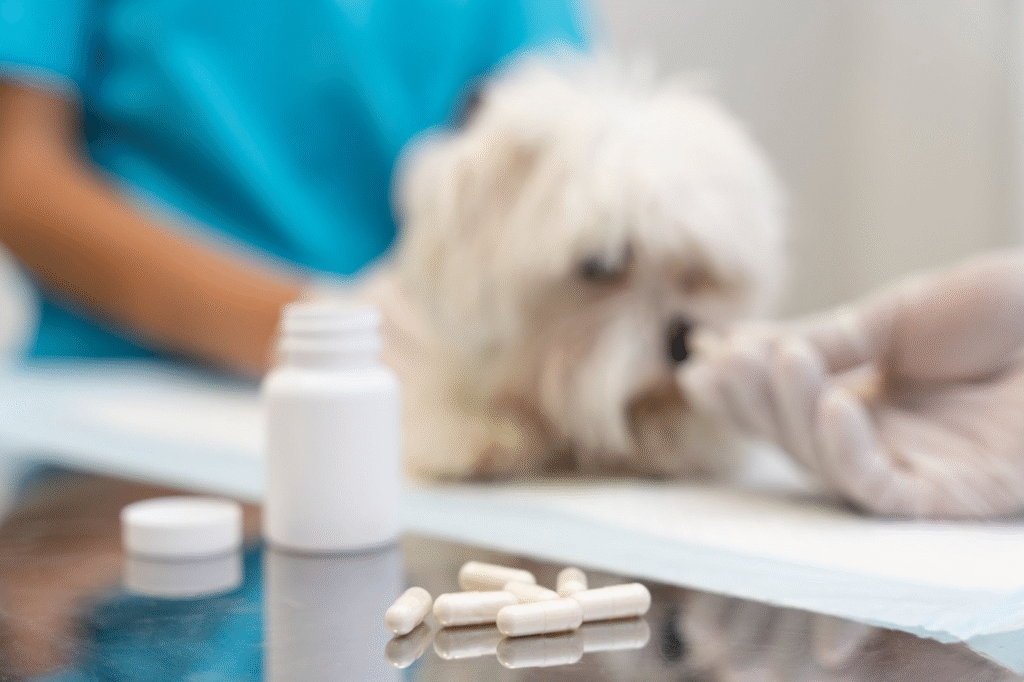
Ivermectin is an effective antiparasitic agent that protects dogs from various parasites, including heartworms and fleas. It targets specific channels in parasites, leading to their paralysis and death. While the medication offers significant benefits, such as long-lasting protection, it must be administered cautiously according to a veterinarian’s guidance. Risks include potential toxicity, particularly in sensitive breeds like Collies, making professional oversight essential. Additionally, alternative medications and preventive measures may be more suitable depending on individual dog profiles. Understanding these factors can enhance your dog’s health and well-being, revealing critical insights about safe parasite management.
Key Takeaways
- Ivermectin is a broad-spectrum antiparasitic effective against various parasites, including heartworms, fleas, and intestinal worms in dogs.
- Tailored dosages based on weight and health are crucial for effective and safe treatment; consultation with a veterinarian is essential.
- Potential risks include toxicity and neurological effects, particularly in sensitive breeds like Collies; monitoring after administration is important.
- Ivermectin’s long-lasting effects simplify parasite management, reducing the frequency of treatments needed for your dog.
- Alternatives to Ivermectin exist, including other medications and preventive measures, suitable for dogs with specific health conditions or sensitivities.
What Is Ivermectin?
Ivermectin is a broad-spectrum antiparasitic agent that is commonly used in veterinary medicine, particularly for dogs. Initially discovered in the late 1970s, Ivermectin was derived from the bacterium Streptomyces avermitilis. Its development marked a significant advancement in the treatment of parasitic infections, with a primary focus on nematodes and arthropods. The introduction of Ivermectin into veterinary practice revolutionized parasite control, offering an effective solution against various conditions such as heartworm, sarcoptic mange, and certain intestinal parasites.
Ivermectin (a drug in the avermectin family) is used for the control of parasites in animals. It’s mainly used to treat gastrointestinal and lung parasites and certain external parasites found in cattle, sheep, horses, dogs, cats, and swine. It can also be used as heartworm prevention in dogs and cats.
The history of Ivermectin is rooted in a concerted effort to address parasitic diseases that plagued both animals and humans. Early research demonstrated its efficacy against a range of parasites, leading to widespread adoption in veterinary medicine. Subsequent studies expanded its applications, including its use in livestock and even human medicine for conditions like lymphatic filariasis.
Ivermectin research continues to evolve, with ongoing investigations into its potential benefits and safety profiles. Recent studies have explored its effects beyond traditional antiparasitic applications, sparking interest in its immunomodulatory properties. These lines of inquiry are essential for understanding the full spectrum of Ivermectin’s capabilities and ensuring its safe use in various contexts, making it a valuable reference in the active ingredient hub of veterinary medicine.
How Ivermectin Works
Understanding the mechanism of action of Ivermectin provides insight into its effectiveness as an antiparasitic treatment for dogs. Ivermectin is an antiparasitic agent that belongs to the avermectin class of drugs, which work by targeting specific pathways in parasites. Its primary mechanism involves binding to glutamate-gated chloride channels, leading to an influx of chloride ions into the parasite’s cells. This active ingredient disrupts their nervous system, causing paralysis and ultimately death of the parasite. Additionally, Ivermectin affects other ion channels, such as gamma-aminobutyric acid (GABA) receptors, which are essential for the nervous system function of parasites.
The effectiveness of Ivermectin is influenced by its dosage guidelines, which are important for ensuring safety and efficacy. Dosage typically depends on the type of parasite being targeted, as well as the weight and health status of the dog. A common guideline is to administer Ivermectin at a dosage of 6 to 12 mcg per kilogram of body weight, but it is essential to consult with a veterinarian for precise recommendations tailored to an individual dog’s needs.
When ivermectin enters a dog’s body, it travels through the bloodstream. Any parasites living in the dog are exposed to the ivermectin through the bloodstream. The medication then paralyzes susceptible parasites, causing them to die.
It is important to note that while Ivermectin is effective against many parasites, its use must be approached with caution, especially in certain dog breeds, such as Collies, which may have a genetic sensitivity to the drug. Therefore, understanding the mechanism overview and adhering to proper dosage guidelines are essential to harnessing Ivermectin’s benefits while minimizing risks.
Common Parasites in Dogs
Common parasites that affect dogs include fleas, ticks, heartworms, and intestinal worms such as roundworms and hookworms. Each type of parasite presents unique symptoms, ranging from itching and skin irritation to more severe issues like lethargy and weight loss. Recognizing these signs early is essential for effective treatment and ensuring the overall health of the dog.
Types of Dog Parasites
In the domain of canine health, various parasites can pose significant threats to dogs, impacting their well-being and quality of life. Among these, intestinal worms are particularly common, including roundworms, hookworms, tapeworms, and whipworms. These parasites reside in the gastrointestinal tract, feeding off the host’s nutrients and potentially leading to severe health issues.
Fleas are another prevalent concern, known for their ability to cause discomfort and transmit diseases. Effective flea control is vital for maintaining a dog’s health, as fleas not only irritate the skin but can also lead to allergic reactions and secondary infections.
Additionally, other parasites such as ticks can afflict dogs, carrying diseases like Lyme disease and ehrlichiosis, which can severely impact a dog’s health. Heartworms, transmitted through mosquitoes, represent a grave threat, potentially leading to heart failure if left untreated.
Understanding these types of dog parasites is essential for pet owners. Regular veterinary check-ups, prophylactic treatments, and preventive measures are important to safeguard your dog from these harmful organisms, ensuring a longer, healthier life.
Symptoms to Watch For
Recognizing the symptoms of common parasites in dogs is essential for early intervention and treatment. Dogs can experience a variety of signs indicating parasitic infections, which can greatly impact their health and well-being. Identifying these symptoms early can help you seek veterinary care promptly.
Common symptoms to watch for include:
- Behavior changes: If your dog becomes lethargic, irritable, or displays unusual behaviors, it may be a sign of a parasitic infection.
- Skin irritations: Look for signs of itching, redness, or hair loss, which can indicate fleas, ticks, or mites. These parasites can lead to secondary infections if not addressed.
- Gastrointestinal issues: Symptoms such as vomiting, diarrhea, or changes in appetite may point to intestinal parasites like worms.
Benefits of Ivermectin
Ivermectin is a widely utilized antiparasitic medication that offers several benefits for dogs, primarily in the prevention and treatment of various parasitic infections. One of its most significant advantages is its broad-spectrum efficacy against a range of parasites, including heartworms, roundworms, and external parasites like fleas and ticks. This versatility makes it a valuable tool in a veterinarian’s arsenal for maintaining canine health.
In terms of parasite prevention, ivermectin is especially effective when administered at the appropriate dosage. Correct ivermectin dosage is essential; it must be tailored to the dog’s weight and health status to guarantee maximum efficacy while minimizing the risk of adverse effects. Regular treatment can help prevent infestations, thereby safeguarding the dog’s health and reducing the risk of transmission to humans and other animals.
Moreover, ivermectin’s long-lasting effects mean that a single dose can provide protection for an extended period, simplifying the management of parasite prevention in dogs. This convenience allows pet owners to focus on their dogs’ overall well-being without the burden of frequent treatments. Additionally, the medication is easily administered, often available in chewable tablets or topical formulations, with ivermectin serving as the active ingredient in many trusted veterinary parasite control products.
Risks and Side Effects
Administering ivermectin to dogs, while beneficial for parasite control, does come with potential risks and side effects that pet owners should be aware of. One of the primary concerns is ivermectin toxicity, which can manifest if the dog receives an incorrect dosage or if it is particularly sensitive to the medication. This sensitivity is more prevalent in certain breeds, such as Collies, where even standard doses may lead to severe neurological effects.
Pet owners must also consider dosage concerns, as the margin of safety can vary considerably based on the dog’s weight, age, and overall health. An overdose can lead to symptoms like lethargy, tremors, and in severe cases, seizures. As a result, it is critical to follow a veterinarian’s guidance regarding dosing and to monitor the dog for any adverse reactions following administration.
In light of these risks, pet owners should be vigilant and informed about the potential side effects, which include:
- Neurological symptoms such as tremors or uncoordinated movements
- Gastrointestinal issues, including vomiting and diarrhea
- Allergic reactions, which may present as itching or swelling
Understanding these risks is essential to ensuring the safe use of ivermectin in dogs. Always consult a veterinarian before starting any new treatment to weigh the benefits against the potential dangers. By being proactive and informed, pet owners can make the best decisions for their furry companions.
Vet Recommendations
Veterinary professionals recommend that ivermectin be administered only with a prescription, as its use must be tailored to the individual dog’s health status and weight. Adhering to safe usage guidelines is essential to minimize the risk of adverse effects. Regular consultations with a veterinarian guarantee that the treatment is both effective and appropriate for the specific needs of the dog.
Vet Prescription Necessity
When considering the use of ivermectin for dogs, obtaining a veterinary prescription is important. This medication, while effective against certain parasites, can pose risks if not used correctly. A veterinarian will evaluate your dog’s health, breed, and specific needs before prescribing ivermectin, guaranteeing that it aligns with established medication guidelines.
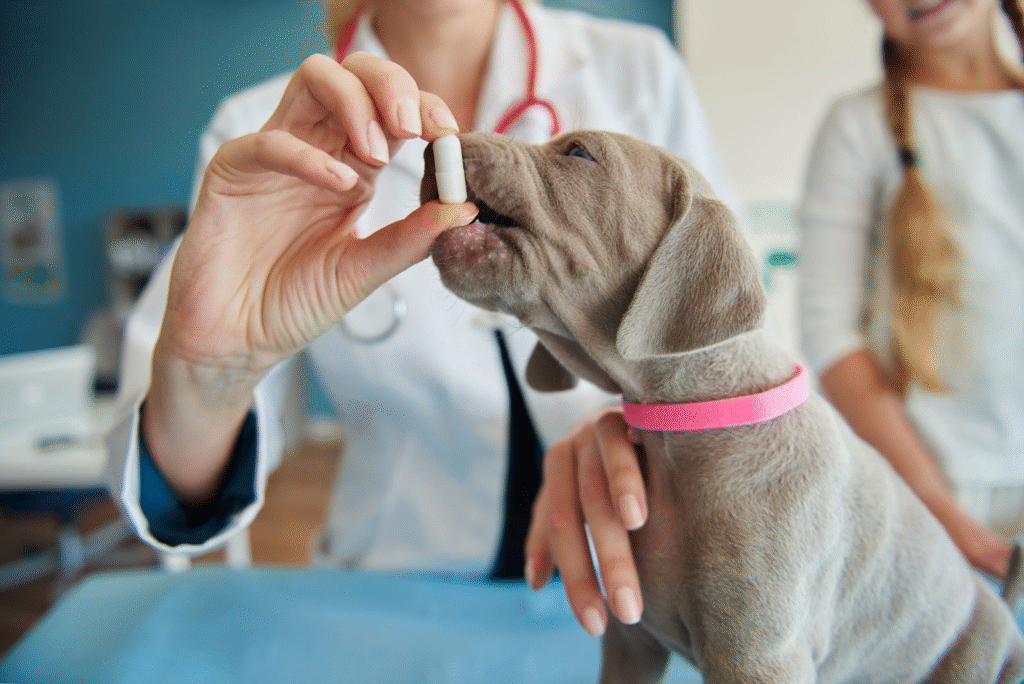
Ivermectin is available as tablets, chewable tablets, a topical liquid (for ear mite treatments), and an injectable that your veterinarian administers.
Veterinary oversight is essential for several reasons:
- Individualized Treatment: Every dog is unique; what works for one may not be safe for another.
- Monitoring Side Effects: A vet can identify potential adverse reactions and adjust dosages accordingly.
- Preventing Overdose: Correct dosing is crucial, especially in breeds sensitive to ivermectin, such as Collies and other herding breeds.
Incorporating the insights and expertise of a veterinarian not only protects your dog’s health but also establishes a foundation for safe and effective treatment. Adhering to professional recommendations guarantees that you are making informed decisions regarding your dog’s welfare and parasite prevention strategies. Always prioritize your pet’s health by seeking proper veterinary guidance before administering any medication, including ivermectin.
Safe Usage Guidelines
To guarantee the safe and effective use of ivermectin in dogs, veterinarians recommend adhering to specific guidelines tailored to each dog’s unique circumstances. First and foremost, the safe dosage of ivermectin can vary considerably based on the dog’s weight, age, and overall health. It is crucial to consult a veterinarian to determine the appropriate dosage for your pet, as administering an incorrect amount can lead to serious health issues.
When administering ivermectin, follow these administration tips for peak safety. Ascertain that the medication is given orally with food to enhance absorption and reduce potential gastrointestinal upset. Monitor your dog for any adverse reactions, especially during the initial doses. Side effects can include lethargy, vomiting, or even neurological symptoms in susceptible breeds, such as Collies.
Furthermore, never combine ivermectin with other medications unless directed by a veterinarian, as interactions may occur. Regular check-ups and follow-ups with your veterinarian will help manage your dog’s health and guarantee the efficacy of the treatment. By adhering to these guidelines, pet owners can empower themselves with knowledge to protect their beloved companions from parasites safely and effectively.

Related Studies About Ivermectin
Several alternatives to ivermectin exist for the treatment and prevention of parasitic infections in dogs. These options may appeal to pet owners seeking alternative methods for managing their dog’s health. It is vital to consult a veterinarian before implementing any new treatment to guarantee safety and efficacy.
- Natural Remedies: Some pet owners opt for natural remedies such as diatomaceous earth and garlic. Diatomaceous earth can help eliminate internal parasites by dehydrating them, while garlic is believed to have mild antiparasitic properties. However, caution is advised, as excessive garlic can be toxic to dogs.
- Preventive Measures: Regular grooming and maintaining a clean living environment are significant preventive measures. Bathing your dog regularly and cleaning their bedding can reduce the risk of parasite infestations. Additionally, routine veterinary check-ups can help identify and address any issues early on.
- Alternative Medications: Several veterinary-approved medications are available that serve as alternatives to ivermectin. Drugs like milbemycin oxime and selamectin are effective against various parasites, including heartworms and fleas. These medications may be better suited for dogs with specific health conditions or sensitivities.
Ivermectin Impact Over Gut Microbiota Diversity: A Comprehensive And Updated Analysis From Pre-Clinical And Clinical Evaluations
This comprehensive review analyzes the impact of the antiparasitic drug ivermectin (IVM) on gut microbiota diversity across various animal models and humans. Here are the key findings:
Main Conclusions:
- IVM induces gut dysbiosis (microbial imbalance), particularly when administered orally.
- The effects vary significantly depending on:
- Species (mice, rats, tigers, deer, dogs, insects, etc.)
- Dosage and duration of treatment
- Co-administration with other drugs (e.g., fenbendazole, praziquantel)
- Route of administration (oral vs. topical/subcutaneous)
Key Observations:
In Mammals (Oral Administration):
- Mice: IVM reduced Bacteroidota, Bacillota, Pseudomonadota, and Mycoplasmatota; increased Verrucomicrobiota. Led to inflammation but did not increase susceptibility to P. aeruginosa lung infection.
- Rats: Both low and high doses altered gut microbiota and liver metabolism.
- Humans (simulated): Short-term IVM did not cause significant dysbiosis in colon reactors, suggesting resilience of human gut microbiota.
- Dogs, Tigers, Deer, Horses: Mixed results—sometimes beneficial, sometimes harmful—often influenced by drug combinations and pre-existing conditions.
Non-Oral Administration (Topical/Subcutaneous):
- No significant dysbiosis was observed in sea lions or chinchillas, suggesting that IVM must reach the gut directly to alter microbiota.
In Non-Mammals (e.g., Insects):
- IVM altered gut microbiota in mosquito larvae and beetles, increasing susceptibility to fungal infections and affecting ecological interactions.
Clinical and Ecological Implications:
- IVM may modulate immune responses beyond its antiparasitic effects (e.g., via purinergic receptors).
- Co-administration with other drugs complicates interpretation of IVM’s standalone effects.
- Ecological impact: IVM in livestock dung affects dung beetle microbiota and ecosystem function.
Limitations and Future Directions:
- Studies are heterogeneous and often use combination therapies.
- Human data are limited and more clinical studies are needed.
- Long-term effects and mechanisms of IVM-induced dysbiosis are not well understood.
Final Takeaway:
While IVM clearly affects gut microbiota, the clinical significance and health outcomes of these changes remain unclear. The drug’s impact is highly context-dependent, underscoring the need for more targeted research—especially in humans—to guide safe usage and understand potential risks.
| Reference: Thiago Caetano Andrade Belo, Evandro Neves Silva, Patrícia Paiva Corsetti, Leonardo Augusto de Almeida, Ivermectin impact over gut microbiota diversity: A comprehensive and updated analysis from pre-clinical and clinical evaluations, The Microbe, Volume 7, 2025, 100318, ISSN 2950-1946, https://doi.org/10.1016/j.microb.2025.100318. (https://www.sciencedirect.com/science/article/pii/S295019462500086X) |
A Quick And Simple Method For The Determination Of Ivermectin In Dog Plasma By Lc–Ms/Ms
This study presents a simple, rapid, and sensitive liquid chromatography-tandem mass spectrometry (LC-MS/MS) method for quantifying ivermectin (IVM) in dog plasma. Here’s a summary:
Objective:
To develop and validate a reliable, efficient method for measuring ivermectin concentrations in dog plasma using LC-MS/MS, suitable for pharmacokinetic studies—especially in small dogs where sample volume is limited.
Key Features of the Method:
- Sample Preparation: Simple liquid-liquid extraction using acetonitrile and n-hexane. No solid-phase extraction (SPE) required.
- Sensitivity: Low limit of quantification (LLOQ = 0.5 ng/mL), limit of detection (LOD = 0.2 ng/mL).
- Linearity: Excellent linear response (R2>0.99) over the range 0.5–20.0 ng/mL.
- Accuracy & Precision: Bias < 3%, intra- and inter-day CV < 10%.
- Recovery: >80% at tested concentrations.
- Stability: IVM is stable under various storage conditions (room temperature, refrigerated, frozen, freeze-thaw cycles).
Advantages Over Existing Methods:
- No SPE purification—faster and cheaper.
- Uses LC-MS/MS—more specific and reliable than fluorescence detection.
- Low sample volume (0.5 mL plasma)—suitable for small dogs.
- Validated according to European guidelines.
- First validated LC-MS/MS method for ivermectin in dog plasma.
Application:
The method was successfully used in a pharmacokinetic study during a drug approval process, detecting IVM concentrations as low as 0.5 ng/mL.
Conclusion:
This method offers a robust, efficient, and sensitive approach for quantifying ivermectin in dog plasma, making it ideal for veterinary pharmacokinetic research and drug monitoring.
| Reference: Eva Morbidelli, Julie Rambaldi, Laura Ricci Bitti, Anna Zaghini, Andrea Barbarossa, A quick and simple method for the determination of ivermectin in dog plasma by LC–MS/MS, MethodsX, Volume 5, 2018, Pages 1503-1507, ISSN 2215-0161, https://doi.org/10.1016/j.mex.2018.11.011. (https://www.sciencedirect.com/science/article/pii/S2215016118301924) |
Evaluation Of Pharmacokinetics And Efficacy Of Ivermectin Following Oral Administration In Dogs Against Experimental Infection Of Ctenocephalides Felis Felis And Rhipicephalus Sanguineus
This study evaluates the pharmacokinetics and efficacy of orally administered ivermectin (IVM) in dogs against two common ectoparasites: the cat flea (Ctenocephalides felis felis) and the brown dog tick (Rhipicephalus sanguineus). Here’s a summary:
Objective:
To determine whether a single oral dose of ivermectin (0.6 mg/kg) in dogs is effective against fleas and ticks, and to correlate plasma IVM concentrations with efficacy.
Key Findings:
Pharmacokinetics:
- Peak plasma concentration (Cmax): 350.7 ng/mL at 4 hours (Tmax)
- Area under the curve (AUC): 8411.2 ng·h/mL
- Terminal half-life (T1/2): 47.1 hours
- Volume of distribution (Vd): 6.3 L/kg
- The method used HPLC with fluorescence detection, validated per Brazilian regulatory standards (ANVISA).
Efficacy Results:
- Fleas (C. felis felis):
- Efficacy was 35% at day +2 and 18% at day +7
- No significant reduction compared to control
- Ticks (R. sanguineus):
- Efficacy was 67% at day +2 and 25% at day +7
- Also not statistically significant
- No correlation was found between IVM plasma levels and parasite reduction (r2 values near zero)
Conclusion:
- Despite good oral absorption and high plasma levels, ivermectin at 0.6 mg/kg was not effective against fleas or ticks.
- Efficacy values were well below the 90% threshold recommended by WAAVP for parasiticides.
- The study suggests that oral ivermectin is not suitable for controlling these ectoparasites in dogs.
Context and Limitations:
- This was a controlled experimental infection study in Beagle dogs.
- Previous studies using subcutaneous or topical IVM showed better efficacy, likely due to direct contact or prolonged release.
- The high dose used (0.6 mg/kg) did not translate to clinical efficacy, contradicting informal practices in some regions.
Implication:
Oral ivermectin should not be recommended for flea or tick control in dogs. Alternative parasiticides or administration routes (e.g., topical, injectable) may be more effective.
| Reference: Viviane S. Magalhães, Yara P. Cid, Thais P. Ferreira, Deborah M.V. Medeiros, Lilian C. de S. O. Batista, Thais R. Correia, André L.M. Albert, Fabio B. Scott, Evaluation of pharmacokinetics and efficacy of ivermectin following oral administration in dogs against experimental infection of Ctenocephalides felis felis and Rhipicephalus sanguineus, Veterinary Parasitology, Volume 228, 2016, Pages 167-171, ISSN 0304-4017, https://doi.org/10.1016/j.vetpar.2016.09.004. (https://www.sciencedirect.com/science/article/pii/S030440171630365X) |
