
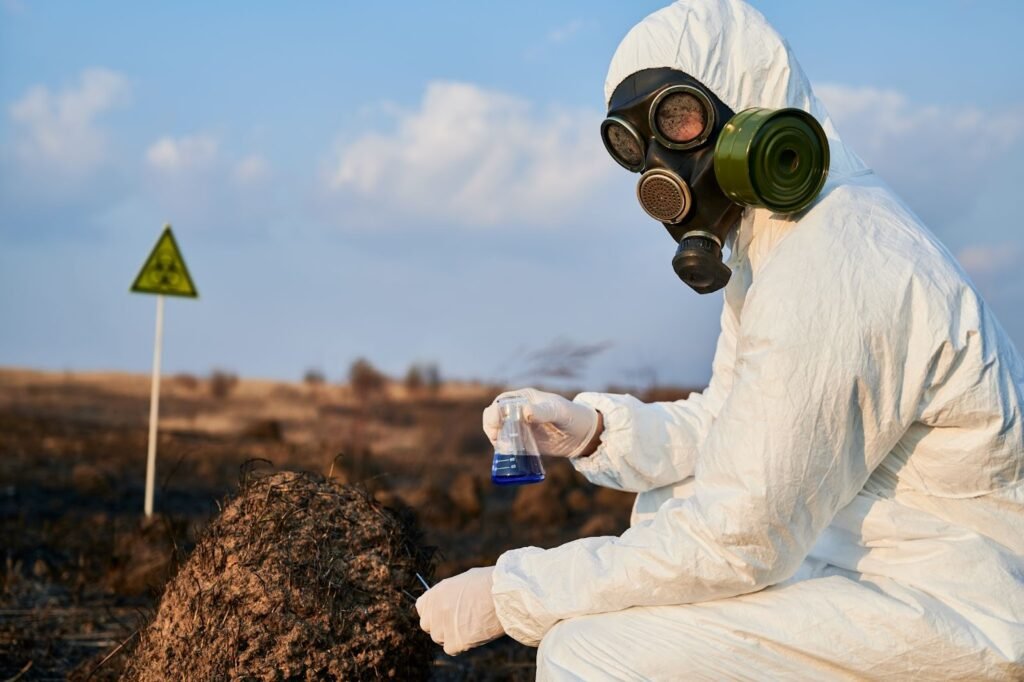
Formaldehyde is classified as a Group 1 carcinogen by the International Agency for Research on Cancer, indicating credible evidence of its harmful effects on human health. Countries address formaldehyde-related concerns through various regulatory measures, including exposure limits and public awareness campaigns. The European Union enforces stringent guidelines under the REACH regulation, while the U.S. employs strict limits set by the EPA and OSHA. Public health initiatives aim to educate communities about exposure risks and safer alternatives. Understanding how different nations react to formaldehyde’s carcinogenicity reveals important insights into global public health strategies. Additional exploration into these approaches can provide further clarity.
KEY TAKEAWAYS
- Formaldehyde is classified as a Group 1 carcinogen by the IARC, indicating sufficient evidence of carcinogenicity in humans.
- Exposure to formaldehyde is linked to cancers, particularly nasopharyngeal cancer and leukemia, necessitating regulatory measures.
- Countries implement varied regulations on formaldehyde exposure, reflecting local health risks and prioritizing public safety.
- Public awareness campaigns educate communities on formaldehyde risks and promote safer alternatives to mitigate exposure.
- International collaboration aims to establish consistent standards and share research for enhanced public health protection against formaldehyde exposure.
UNDERSTANDING FORMALDEHYDE
Formaldehyde is a colorless, strong-smelling gas that is widely used in various industrial applications, including the production of resins, textiles, and disinfectants, where it often serves as an active ingredient due to its preservative and reactive properties. Its prevalence stems from its effectiveness as a preservative and its role in the synthesis of various chemical compounds. Understanding formaldehyde necessitates an exploration of its sources and the pathways through which individuals may be exposed.
Primary sources of formaldehyde include building materials such as plywood, particleboard, and insulation, which release the gas into indoor environments. Other significant contributors are household products like paints, varnishes, and cleaning agents. In industrial settings, formaldehyde is emitted during the manufacturing process and from chemical reactions involving organic compounds. Recognizing these sources is essential for evaluating potential exposure, particularly in occupational and residential contexts.
Exposure pathways for formaldehyde typically occur through inhalation, skin contact, and ingestion. Inhalation is the most common pathway, as formaldehyde can accumulate in indoor air, particularly in poorly ventilated spaces. Short-term exposure may lead to irritation of the eyes, nose, and throat, while long-term exposure raises concerns about respiratory health and other systemic effects. Additionally, formaldehyde can enter the body through dermal absorption and, albeit less frequently, through ingestion of contaminated food or water.
Carcinogenic Classification
Although formaldehyde is a common industrial chemical, its classification as a carcinogen has raised significant public health concerns. The International Agency for Research on Cancer (IARC) classifies formaldehyde as a Group 1 carcinogen, indicating sufficient evidence of its carcinogenicity in humans. This classification stems from studies demonstrating its carcinogenic mechanisms, primarily through the induction of DNA damage and the promotion of cellular mutations.
Understanding the carcinogenic potential of formaldehyde necessitates a rigorous risk assessment. Various organizations, including the U.S. Environmental Protection Agency (EPA) and the National Toxicology Program (NTP), have conducted thorough evaluations to determine safe exposure levels. The following table summarizes key classifications and findings from different health organizations:
| Organization | Classification | Key Findings |
| IARC | Group 1 | Sufficient evidence in humans |
| EPA | Probable human carcinogen | Risk of nasopharyngeal cancer |
| NTP | Known human carcinogen | Linked to multiple cancers in occupational settings |
The evidence is further corroborated by epidemiological studies linking formaldehyde exposure to specific cancers, such as nasopharyngeal and leukemia. These findings underscore the importance of implementing stringent regulatory measures to mitigate exposure risks. Ultimately, the carcinogenic classification of formaldehyde is a critical issue that demands ongoing scrutiny and public awareness to safeguard health while balancing industrial freedoms.
Health Risks of Formaldehyde
Formaldehyde is a common colorless, strong-smelling chemical that is a gas at room temperature. It occurs naturally in the environment, including in some foods (and even inside our bodies), but it is also a widely used chemical in some industries. Exposure to formaldehyde poses considerable health risks, particularly in occupational and residential settings. This volatile organic compound is commonly found in building materials, household products, and industrial applications, leading to concerns about its impact on indoor air quality. Prolonged exposure to formaldehyde has been associated with a range of adverse health effects, including respiratory issues, skin irritation, and eye discomfort.
Research indicates that formaldehyde exposure can exacerbate asthma symptoms and potentially contribute to the development of other respiratory conditions. The International Agency for Research on Cancer (IARC) classifies formaldehyde as a human carcinogen, with evidence linking it to nasopharyngeal cancer and possibly leukemia. These findings underscore the importance of addressing formaldehyde levels in indoor environments, where individuals may spend a considerable portion of their lives.
Furthermore, the potential for formaldehyde to off-gas from various sources, such as pressed wood products and certain textiles, raises concerns about cumulative exposure over time. The risk is particularly pronounced in poorly ventilated spaces, where the accumulation of indoor pollutants can considerably degrade air quality.
Effective measures to mitigate formaldehyde exposure include improving ventilation, utilizing low-emission products, and regular monitoring of indoor air quality, similar to protocols established for trichloroethylene exposure in industrial settings. By promoting awareness of formaldehyde’s health risks and implementing strategies to reduce exposure, individuals can better protect their health and well-being in both occupational and residential contexts.
International Regulations Overview
The regulation of formaldehyde as a carcinogen reflects a growing commitment to public health and safety on an international scale. Various international protocols have emerged to address the risks associated with exposure to this chemical. Organizations such as the World Health Organization (WHO) and the International Agency for Research on Cancer (IARC) have undertaken thorough assessments, classifying formaldehyde as a Group 1 carcinogen, indicating sufficient evidence of its potential to cause cancer in humans.
In response to these findings, many countries have implemented stringent regulations regarding the use and exposure limits of formaldehyde in industrial, commercial, and residential settings. These regulations often stem from extensive safety assessments, which analyze the chemical’s effects on human health and the environment. For example, the European Union has adopted the REACH (Registration, Evaluation, Authorisation and Restriction of Chemicals) regulation, which mandates detailed evaluations of chemical substances, including formaldehyde. This framework aims to guarantee that risks are adequately managed and that safety assessments are regularly updated based on the latest scientific evidence.
Additionally, the alignment of national regulations with international standards promotes consistency and accountability in how formaldehyde is handled globally. By fostering collaboration among member states, these international protocols not only facilitate the sharing of research and best practices but also enhance the protection of human health against the potential dangers of formaldehyde exposure. Ultimately, these regulatory frameworks reflect an ongoing effort to balance industrial progress with the imperative of safeguarding public health.
Country-Specific Approaches
Country-specific approaches to regulating formaldehyde as a carcinogen vary considerably, influenced by local health risks and regulatory frameworks. In many regions, governments establish specific regulatory standards and guidelines that dictate permissible exposure levels, while simultaneously implementing public awareness campaigns to educate citizens about associated health risks. This dual approach not only aims to mitigate exposure but also fosters informed decision-making among the population.
Formaldehyde is a colorless, strong-smelling, flammable chemical that is produced industrially and used in building materials such as particleboard, plywood, and other pressed-wood products. In addition, it is commonly used as a fungicide, germicide, and disinfectant, and as a preservative in mortuaries and medical laboratories. Formaldehyde also occurs naturally in the environment. It is produced during the decay of plant material in the soil and during normal chemical processes in most living organisms. It is also a combustion product found in tobacco smoke.
Regulatory Standards and Guidelines
Regulatory standards and guidelines surrounding formaldehyde vary markedly across different nations, reflecting diverse public health priorities and scientific interpretations of the chemical’s risks. In the United States, the Environmental Protection Agency (EPA) classifies formaldehyde as a probable human carcinogen, enforcing stringent exposure limits in various settings. Conversely, the European Union has established a thorough regulatory framework that includes specific guideline updates, such as the REACH (Registration, Evaluation, Authorisation and Restriction of Chemicals) regulation, which mandates thorough assessments of formaldehyde’s impact. Formaldehyde is a widely used chemical, with global production of over 20 million tons per year (International Agency for Research on Cancer, 2012). It is utilized in industrial and consumer products and is also produced as a byproduct of fires, cigarette smoke and automotive exhaust. Furthermore, it is released from products used in building materials such as particle board and carpet. It has long been used as a fixation product for pathology specimens and in embalming. However, what is often not realized is that formaldehyde is also one of the oldest chemicals in the world.
In contrast, countries like China have only recently begun to address formaldehyde concerns, often lagging in the implementation of robust regulatory frameworks. The lack of harmonization in international standards creates challenges for businesses that operate globally, necessitating an awareness of varying compliance requirements. Meanwhile, Australia adopts a risk-based approach, with guideline updates focused on occupational exposure limits, demonstrating a commitment to balancing economic interests with health protections.
PUBLIC AWARENESS CAMPAIGNS
Frequently, public awareness campaigns regarding formaldehyde exposure are tailored to reflect the unique health concerns and cultural contexts of different nations. These campaigns often emphasize the importance of community engagement and provide educational resources to guarantee that citizens are informed about the risks associated with formaldehyde exposure.
For instance, countries may adopt diverse strategies that include:
- Localized Workshops: Focusing on specific communities to address their unique exposures and concerns.
- Informational Websites: Offering extensive resources on formaldehyde, its sources, and preventive measures.
- School Programs: Integrating formaldehyde awareness into educational curricula to reach younger generations.
- Social Media Campaigns: Utilizing platforms to disseminate information quickly and engage a wider audience.
These targeted approaches aim to empower individuals with knowledge, fostering a culture of informed decision-making. By leveraging local insights and addressing specific health risks, these campaigns endeavor not only to raise awareness but also to motivate communities to take proactive measures. Ultimately, successful public awareness initiatives can greatly contribute to reducing formaldehyde exposure and enhancing public health outcomes.

Public Health Initiatives
Public health initiatives aimed at mitigating the risks associated with formaldehyde exposure are increasingly important in light of its classification as a carcinogen. Awareness campaigns play a significant role in educating the public about the dangers of formaldehyde and promoting safer alternatives, while regulatory measures can enforce stricter limits on its use in various industries. Together, these efforts are essential to reduce exposure and enhance community health outcomes.
Awareness Campaigns
Awareness campaigns play an essential role in educating the public about the potential health risks associated with formaldehyde exposure, particularly its classification as a human carcinogen. These initiatives aim to enhance health literacy and empower individuals to make informed decisions regarding their environments.
Effective awareness campaigns leverage various strategies, including:
- Social Media: Utilizing platforms to disseminate information and engage with a broader audience.
- Community Outreach: Organizing local events to foster discussions and provide resources to affected populations.
- Educational Programs: Implementing structured curricula in schools and workplaces to inform about the dangers of formaldehyde and preventive measures.
- Stakeholder Engagement: Collaborating with health professionals, policymakers, and industry representatives to guarantee a cohesive approach to public health messaging.
Regulatory Measures
The implementation of regulatory measures is essential in mitigating the risks associated with formaldehyde exposure, particularly given its classification as a human carcinogen. Various countries have established stringent guidelines to assess risk and enforce exposure limits, ensuring public safety. For instance, the Occupational Safety and Health Administration (OSHA) in the United States has set permissible exposure limits (PEL) for formaldehyde in workplace environments, reflecting a commitment to minimizing health risks for workers.
Furthermore, thorough risk assessments play a critical role in shaping these regulations. By evaluating the potential health impacts of formaldehyde exposure, regulatory bodies can establish evidence-based limits that protect vulnerable populations, including children and the elderly. Countries such as Canada and those in the European Union also employ similar frameworks, reflecting a global consensus on the need for protective measures.
Public health initiatives not only enforce exposure limits but also promote transparency in the use of formaldehyde-containing products, as well as other chemicals known to be phthalates dangerous, ensuring that individuals are aware of potential health risks. Enhanced labeling requirements and public awareness campaigns further empower individuals to make informed choices regarding their exposure risks. Collectively, these regulatory measures form a robust approach to safeguarding public health against the dangers posed by formaldehyde.
Future Directions and Research
How can ongoing research enhance our understanding of formaldehyde’s carcinogenic properties? As scientific inquiry progresses, it is vital to evaluate the multifaceted nature of formaldehyde’s effects on human health. Emerging research is pivotal in elucidating the mechanisms by which formaldehyde may contribute to carcinogenesis, potentially leading to significant policy implications.
Key areas for future exploration include:
- Mechanistic Studies: Investigating the biochemical pathways affected by formaldehyde exposure to clarify its role in tumorigenesis.
- Longitudinal Cohort Studies: Conducting extensive studies to track exposure levels and health outcomes over time to establish causal relationships.
- Environmental Impact Assessments: Analyzing how formaldehyde emissions from various sectors affect population health, particularly in vulnerable communities.
- Regulatory Frameworks: Evaluating the effectiveness of existing regulations and their alignment with current scientific findings to guarantee public safety.

RELATED STUDIES ABOUT IS FORMALDEHYDE A CARCINOGEN
To sum up, formaldehyde is classified as a probable human carcinogen, raising significant public health concerns. A startling statistic reveals that nearly 50% of individuals exposed to high concentrations of formaldehyde in occupational settings develop respiratory issues, underscoring the urgent need for stringent regulatory measures. Countries differ in their approaches to managing formaldehyde exposure, necessitating enhanced international cooperation and research initiatives to safeguard public health and mitigate the risks associated with this ubiquitous chemical.
Green Electrochemical Biosensor for Food Safety Monitoring of Carcinogenic Acrylamide and Formaldehyde
Objective: To develop sustainable, low-cost, and portable electrochemical biosensors for the rapid, on-site detection of two probable human carcinogens—acrylamide (AA) and formaldehyde (FA)—in food samples, addressing the limitations of conventional laboratory methods.
Key Innovations & Approach:
- Green Material Synthesis: Graphene was synthesized via an eco-friendly liquid-phase exfoliation (LPE) method using an ethanol-water solvent system, avoiding toxic chemicals and high energy consumption.
- Stable Bioreceptor Immobilization: The graphene surface was functionalized non-covalently with 1-pyrenebutyric acid N-hydroxysuccinamide ester (PyrNHS), which enables strong, oriented attachment of protein-based bioreceptors without damaging graphene’s conductive properties.
- Portable Platform: Biosensors were constructed on disposable, low-cost screen-printed carbon electrodes (SPCEs), ideal for point-of-care (POC) testing.
- Dual Detection Mechanism:
- AA Sensor: Uses hemoglobin (Hb). AA binding forms adducts that block electron transfer, producing a “signal-off” response measured by differential pulse voltammetry (DPV).
- FA Sensor: Uses formaldehyde dehydrogenase (FDH). FA oxidation generates NADH, producing a “signal-on” response measured by chronoamperometry (CA).
Performance Highlights:
- Acrylamide (AA) Biosensor:
- Linear Range: 0 – 25 µM
- Limit of Detection (LOD): 4.39 µM
- Reproducibility: Relative Standard Deviation (RSD) < 1.2%
- Formaldehyde (FA) Biosensor:
- Linear Range: 0.1 – 0.6 mM
- LOD: 0.02 mM
- Reproducibility: RSD < 1.3%
- Selectivity: Both sensors showed high specificity against common food matrix interferents (e.g., glucose, glycine).
- Real-Sample Validation: Successfully detected AA and FA trends in instant coffee samples with different roast levels (light vs. medium). Results for FA were validated against a standard spectrophotometric (Nash) assay.
Significance & Advantages:
- Sustainability: Eliminates need for toxic solvents and expensive noble-metal nanomaterials (e.g., gold nanoparticles).
- Cost-Effectiveness: Uses low-cost SPCEs and a simple fabrication process.
- Portability: Enables rapid, on-site food safety screening without complex lab infrastructure.
- Practical Performance: Offers competitive sensitivity and reproducibility suitable for monitoring dietary exposure levels that exceed health-based intake guidelines.
Conclusion & Future Directions:
This work presents the first report of a green electrochemical biosensor platform integrating LPE-synthesized graphene and PyrNHS linker for simultaneous, portable detection of food carcinogens. It establishes a foundation for next-generation POC tools in food safety. Future work should focus on:
- Developing multi-analyte detection systems.
- Integrating with smartphone-based readouts for enhanced field portability.
- Extending application to other high-risk food matrices (e.g., starch-based fried foods).
- Optimizing environmental stability and standardization for widespread adoption.
| REFERENCE: Catarina Meliana, Michelle Tien Tien Tan, Hwei-San Loh, Weihua Meng, Cheng Heng Pang, Sze Shin Low, Green electrochemical biosensor for food safety monitoring of carcinogenic acrylamide and formaldehyde, Bioelectrochemistry, Volume 168, 2026, 109122, ISSN 1567-5394, https://doi.org/10.1016/j.bioelechem.2025.109122. (https://www.sciencedirect.com/science/article/pii/S1567539425002257) |
Endogenous Formaldehyde Is a Hematopoietic Stem Cell Genotoxin and Metabolic Carcinogen
Objective: To investigate the physiological consequences of endogenous formaldehyde accumulation, identify the cellular defense mechanisms against it, and determine its role as a driver of DNA damage, organ dysfunction, and cancer.
Core Discovery: Endogenously produced formaldehyde is a potent, ubiquitous genotoxin that causes DNA damage. Mammals are protected by a two-layer defense system: immediate detoxification by the enzyme ADH5 and subsequent DNA crosslink repair by the Fanconi anemia (FA) pathway, specifically via FANCD2.
Key Findings:
- ADH5 Prevents DNA Adduct Formation:
- The enzyme ADH5 is essential for clearing endogenous formaldehyde.
- Mice lacking ADH5 ( Adh5−/−) accumulate formaldehyde-DNA adducts (N 2 -methyl-dG) in bone marrow, liver, and kidney.
- Synergistic Lethality in Stem Cells:
- Combined deficiency of Adh5 and Fancd2 leads to synthetic lethality in mice, with severe embryonic developmental issues.
- Surviving double-knockout (Adh5−/−Fancd2−/−) mice develop rapid bone marrow failure within 3-7 weeks due to the near-complete depletion of hematopoietic stem cells (HSCs).
- Formaldehyde is the Primary Genotoxic Driver:
- Genetic and pharmacological evidence shows that the observed toxicity is due to formaldehyde, not nitric oxide (the other substrate of ADH5).
- HSCs and progenitor cells in double-knockout mice accumulate DNA damage (γ-H2A.X foci) and chromosomal aberrations.
- Multi-Organ Damage:
- Beyond bone marrow, Adh5 −/− Fancd2 −/− mice suffer liver karyomegaly (abnormally large nuclei due to defective cell division) and kidney failure (albuminuria, podocyte damage).
- This indicates endogenous formaldehyde causes widespread genotoxic stress.
- Surprising Systemic Protection:
- Bone marrow transplantation (BMT) with wild-type cells rescued hematopoiesis and, unexpectedly, prevented kidney failure in double-knockout mice.
- BMT reduced formaldehyde-DNA adducts and DNA damage in kidneys, suggesting circulating blood cells help systemically clear formaldehyde or its precursors, protecting the nephrons.
- Endogenous Formaldehyde is a Carcinogen:
- Despite BMT rescue, all transplanted mice eventually died of cancer.
- Malignancies included T-cell acute lymphoblastic leukemia (T-ALL) and liver cancers (hepatocellular carcinoma and cholangiocarcinoma).
- This proves that endogenously generated formaldehyde is a potent metabolic carcinogen.
Mechanistic Model & Implications:
- Two-Layer Defense: 1) Detoxification (ADH5): Immediate clearance of formaldehyde. 2) DNA Repair (FA Pathway): Repair of any DNA crosslinks that form.
- Human Disease Relevance: The findings explain the pathology of Fanconi anemia (bone marrow failure) and link to other DNA repair deficiency syndromes (like those involving XPF-ERCC1 or FAN1) that affect the liver and kidney. Endogenous formaldehyde is a common genotoxic stressor requiring these repair pathways.
- Therapeutic Caution: Inhibiting ADH5 (e.g., for anti-inflammatory purposes) may risk allowing endogenous formaldehyde to accumulate, causing DNA damage and increasing cancer risk.
- Broader Impact: The study establishes that a metabolite produced by fundamental cellular processes is a significant endogenous source of DNA damage and a driver of aging-related dysfunction and cancer.
Conclusion:
This work reveals endogenous formaldehyde as a major, previously underappreciated, genotoxic and carcinogenic metabolite. Survival requires its constant detoxification by ADH5 and the repair of resultant DNA damage by the Fanconi anemia pathway. Failure of this coordinated defense leads to stem cell depletion, multi-organ failure, and cancer.
| REFERENCE: Lucas B. Pontel, Ivan V. Rosado, Guillermo Burgos-Barragan, Juan I. Garaycoechea, Rui Yu, Mark J. Arends, Gayathri Chandrasekaran, Verena Broecker, Wei Wei, Limin Liu, James A. Swenberg, Gerry P. Crossan, Ketan J. Patel, Endogenous Formaldehyde Is a Hematopoietic Stem Cell Genotoxin and Metabolic Carcinogen, Molecular Cell, Volume 60, Issue 1, 2015, Pages 177-188, ISSN 1097-2765, https://doi.org/10.1016/j.molcel.2015.08.020. (https://www.sciencedirect.com/science/article/pii/S1097276515006668) |
Iodometry: A Straightforward “Tank Side-Test” to Determine Formaldehyde Concentrations in Anatomical Tanks
Objective: To establish and validate a simple, cost-effective, and reliable method for monitoring formaldehyde concentrations in large anatomical preservation tanks, ensuring concentrations remain within recommended safe ranges (2%–4%) while avoiding unnecessary overexposure.
Key Challenge: In large storage basins with varying numbers of embalmed bodies, formaldehyde is absorbed and concentrations fluctuate, making regular monitoring essential. Existing methods like headspace mass spectrometry (HS-GCMS) are accurate but expensive and require specialized expertise.
Solution: The study evaluated iodometric titration as a practical “tank side” test. This classic chemical method is based on the redox reaction between formaldehyde and iodine. The amount of iodine consumed is proportional to the formaldehyde concentration, determined indirectly by titrating the excess iodine with sodium thiosulfate.
Method Validation:
- Accuracy: The method accurately measured known concentrations of stock formaldehyde solutions (36%) and their dilutions (2%, 3%, 5%, 7%).
- Comparison with Gold Standard: Measurements from nine different anatomical storage tanks using iodometry showed no significant difference compared to results obtained via HS-GCMS (p-values > 0.08).
- Precision: Triplicate measurements per sample yielded coherent and reproducible results.
Advantages of Iodometry:
- Low Cost: Requires only basic laboratory glassware and inexpensive chemicals.
- Simplicity: Can be performed with standard lab skills, without specialized instrumentation.
- Rapid: Provides results quickly at the site of the tanks.
- Reliable: Demonstrated accuracy comparable to sophisticated analytical techniques.
Limitation: Samples were taken only from the tank surface, assuming uniform concentration. Future studies should verify homogeneity by sampling from different depths.
Conclusion:
Iodometric titration is a validated, straightforward, and inexpensive method suitable for the routine monitoring of formaldehyde concentrations in anatomical preservation tanks. It enables institutes to maintain safe formaldehyde levels effectively, protecting personnel from carcinogenic exposure while ensuring adequate preservation.
| REFERENCE: Michael Kohr, Carla L. Janko, Anne-Marie Schmidt, Armin A. Weber, Markus R. Meyer, Stefan Wagenpfeil, Carola Meier, Thomas Tschernig, Iodometry: A straightforward “tank side-test” to determine formaldehyde concentrations in anatomical tanks, Annals of Anatomy – Anatomischer Anzeiger, Volume 265, 2026, 152794, ISSN 0940-9602, https://doi.org/10.1016/j.aanat.2026.152794. (https://www.sciencedirect.com/science/article/pii/S0940960226000154) |
