
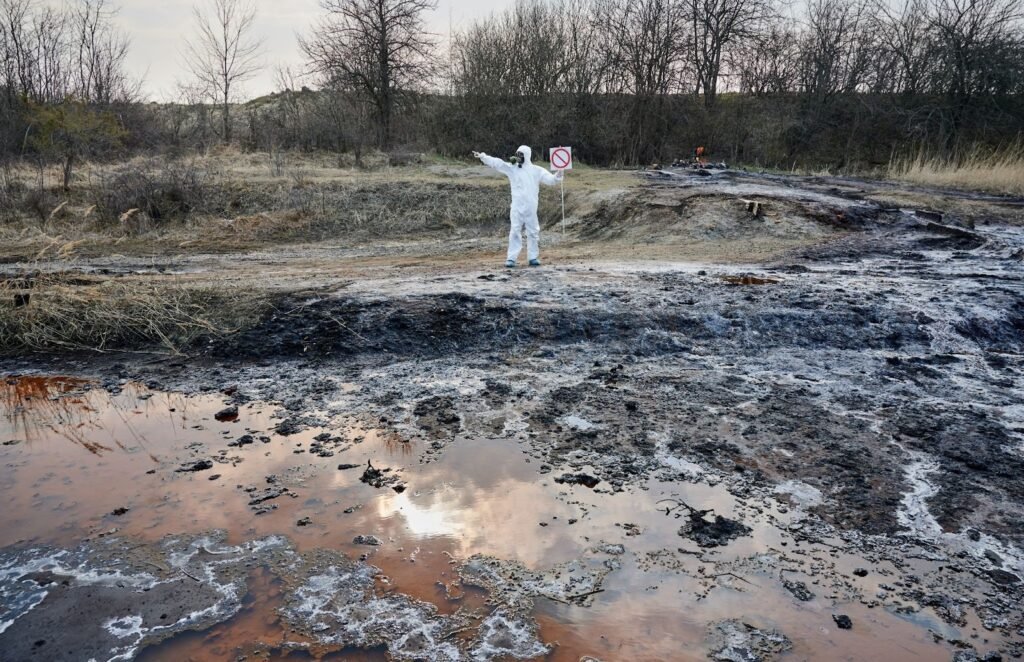
Lead soil contamination is a serious issue in urban areas, primarily resulting from historical industrial activities, lead-based paints, and the residues of leaded gasoline. This contamination poses significant health risks, particularly for children and pregnant women, leading to cognitive impairments and developmental issues. Residents should be aware of potential contamination sources, such as older homes and industrial zones. Regular soil testing and safe gardening practices, such as using raised beds, can mitigate exposure. Community education and proactive measures are essential for reducing risks, making it vital for residents to understand the importance of vigilance and available resources.
KEY TAKEAWAYS
- Lead soil contamination in urban areas primarily stems from historical industrial activities, lead-based paints, and leaded gasoline emissions.
- Vulnerable populations, especially children and pregnant women, face significant health risks due to lead exposure, including cognitive and developmental impairments.
- Urban gardening poses risks as plants can absorb lead from contaminated soil, leading to toxic accumulation in produce.
- Visual indicators of contamination include peeling paint, stunted plant growth, and proximity to older structures or highways.
- Soil testing methods, such as surface sampling and laboratory analysis, are essential for accurately assessing lead levels in urban soils.
UNDERSTANDING LEAD SOIL CONTAMINATION
Lead soil contamination poses considerable risks to urban environments, particularly due to the legacy of industrial activities, lead-based paint, and the use of leaded gasoline in the past. These lead sources have left a pervasive imprint on urban soils, which, when disturbed or utilized for gardening, can pose health hazards to residents. The bioavailability of lead in soil threatens public health, especially among vulnerable populations, including children and pregnant women.
In urban gardening, lead acts as the active ingredient driving toxic accumulation in edible plants, increasing the risk of human exposure through contaminated produce. Lead can be absorbed by plants, leading to the accumulation of toxic metals in edible portions. This risk underscores the necessity for urban gardeners to understand the implications of lead contamination. Awareness of the historical context of lead sources in their neighborhoods can empower residents to take proactive measures in mitigating exposure.
Furthermore, the identification of contaminated sites is essential for community health. Soil testing and remediation strategies, such as the addition of clean soil or raised beds, can considerably reduce risks associated with lead exposure in urban gardening. Residents must advocate for thorough assessments of urban soil to guarantee the safety of their gardening practices and the wellbeing of their families. Ultimately, fostering a community that prioritizes soil health not only enhances urban gardening experiences but also contributes to overall public health and freedom from harmful contaminants.
Sources of Lead Contamination
Urban soils are often contaminated with lead due to a variety of historical and contemporary sources. The persistence of lead in urban environments is a result of both legacy practices and ongoing industrial activities. Understanding these sources is essential for residents, particularly those engaged in urban gardening, as lead exposure can have significant implications.
Historically, leaded gasoline, which was widely used until the late 20th century, contributed to soil contamination in urban areas. Additionally, the remnants of industrial activities, such as manufacturing and smelting, have left behind lead-laden dust and debris. More recent sources include lead-based paints in older buildings and the application of certain fertilizers that may contain lead as a trace element.
The following table summarizes key sources of lead contamination in urban soils:
| Source | Description | Impact on Urban Gardening |
| Leaded gasoline | Emissions from vehicles before its ban | Residual lead in soil layers |
| Industrial emissions | Particulate matter from factories and processing units | Contaminated soil affecting crops |
| Lead-based paints | Deterioration of old paint in urban structures | Leaching into gardens and soil |
| Fertilizers and pesticides | Certain products may contain lead | Risk of lead uptake by plants |
Residents need to be aware of these sources to take proactive measures in mitigating lead exposure, especially if they are cultivating edible plants in their gardens. Understanding the origins of lead contamination is the first step toward ensuring a safer urban gardening experience.
Health Risks of Lead Exposure
One of the major concerns for human health and the environment is the presence of lead in soils, which in urban areas is mostly associated with the use of lead-based paints and transport emissions. Due to its high biotoxicity, bioaccumulation and persistence, no safe level of exposure to lead has been determined. Lead exposure poses significant health risks, particularly for vulnerable populations such as children and pregnant women. Long-term health effects can include cognitive impairments, developmental delays, and various physical ailments, underscoring the importance of awareness and prevention. Recognizing the symptoms of lead poisoning, which may range from abdominal pain to neurological issues, is essential for timely intervention and management. While soil is a major source of contamination, residents often raise related environmental health questions, such as do freshwater fish have mercury, highlighting broader concerns about toxic substances accumulating in food sources alongside lead exposure.
Vulnerable Populations at Risk
Children, particularly those residing in urban environments, are among the most vulnerable populations at risk for significant health issues stemming from lead exposure. The risks associated with lead contamination in soil are especially acute for at-risk children, as their developing brains and bodies are more susceptible to the neurotoxic effects of lead. Community awareness is essential for mitigating these risks, as it empowers residents to take proactive measures in protecting their health and the health of their children.
The following table highlights key vulnerable groups affected by lead exposure:
| Vulnerable Population | Risk Factors |
| At-risk Children | Higher absorption rates of lead |
| Pregnant Women | Effects on fetal development |
| Low-Income Families | Limited access to health resources |
| Elderly Individuals | Pre-existing health conditions |
| Urban Residents | Proximity to industrial areas |
Addressing the risks faced by these populations requires a concerted effort from community members, public health officials, and policymakers to raise awareness and implement effective strategies. By fostering a culture of vigilance and education, communities can collectively reduce lead exposure and its associated health risks.
Long-term Health Effects
Exposure to lead in contaminated soil can lead to a range of long-term health effects that persist well into adulthood. Chronic exposure to lead, particularly during childhood, has been linked to various neurological, cognitive, and behavioral issues. These effects can manifest as decreased IQ, attention deficits, and increased risk of mental health disorders, markedly impacting an individual’s overall quality of life. Children can be exposed to lead in soil by swallowing or breathing in lead-contaminated soil while playing. Lead-contaminated soil particles can also be brought inside as lead dust or on shoes, clothing, or pets.
The environmental impact of lead contamination extends beyond personal health, affecting community well-being and urban ecosystems. As lead accumulates in soil, it poses risks not only to human health but also to local flora and fauna, disrupting ecological balance. Consequently, effective remediation strategies are vital to mitigate these risks. Techniques such as soil replacement, phytoremediation, and the application of binding agents can reduce lead bioavailability, thereby diminishing exposure risks for residents.
Implementing these strategies requires collaboration among local governments, environmental organizations, and communities to guarantee successful outcomes. Awareness and proactive measures are essential in addressing the legacy of lead contamination, safeguarding public health, and promoting a healthier urban environment for all residents.
Symptoms of Lead Poisoning
A significant number of individuals exposed to lead may experience a range of symptoms indicative of lead poisoning, which can vary in severity depending on the level and duration of exposure. The initial lead exposure symptoms often include abdominal pain, constipation, fatigue, and headaches. As exposure continues, more severe symptoms may manifest, including irritability, cognitive deficits, and developmental delays, particularly in children, who are especially vulnerable to lead’s detrimental effects.
The neurological effects of lead exposure can sometimes be mistaken for other conditions, such as carbon monoxide poisoning, due to overlapping symptoms like headaches, cognitive impairment, and fatigue. In children, even low levels of lead can result in irreversible damage to brain development, leading to reduced IQ, attention deficits, and behavioral issues. Adults may also experience cognitive decline, mood disorders, and peripheral neuropathy. Chronic exposure can exacerbate these symptoms, leading to a constellation of health issues that compromise quality of life.
Recognizing these symptoms is essential for early intervention and management. Individuals in urban areas with potential lead soil contamination should be vigilant for these indicators and seek medical evaluation if they suspect lead exposure, thereby safeguarding their health and well-being. Understanding these symptoms empowers residents to take proactive measures against the risks associated with lead.
IDENTIFYING CONTAMINATED AREAS
Identifying contaminated areas in urban environments requires a multifaceted approach that considers historical land use, visual indicators, and reliable soil testing methods. Historical records can reveal previous industrial activities that may have contributed to lead contamination, while surface observations can indicate potential hotspots. Thorough soil testing is essential for accurately determining the presence and concentration of lead, guiding effective remediation efforts. Phytoremediation, when performed correctly, can remove contaminants from soil while also preserving (and even enhancing) soil health and quality. But it is a delicate and time-consuming process that should always be performed by a professional.
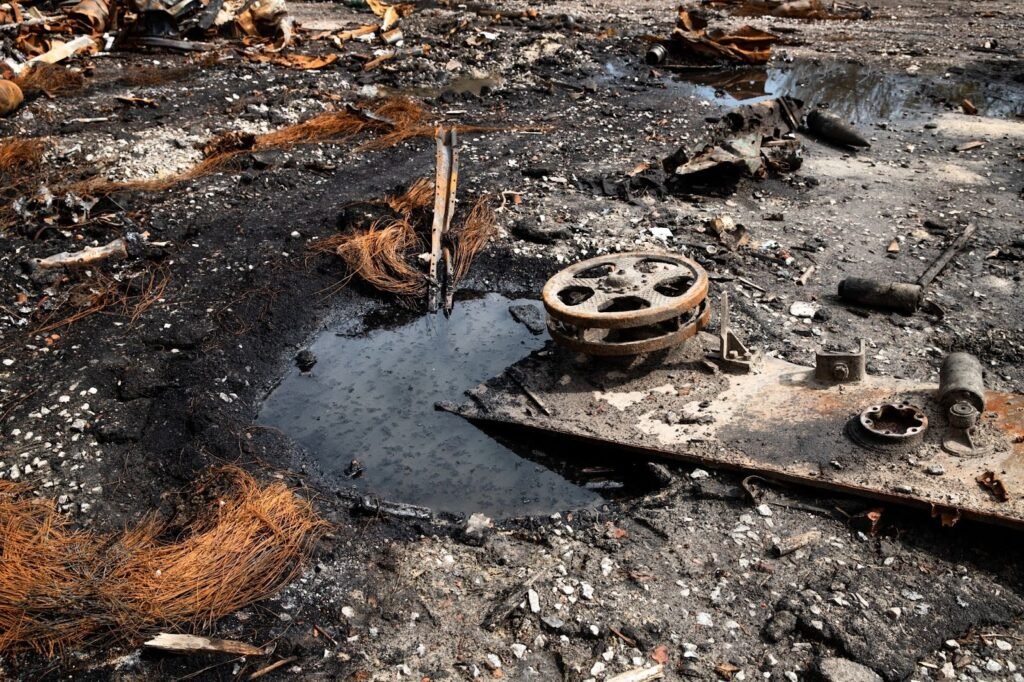
Historical Land Use
Although urban development has transformed landscapes over the decades, the legacy of historical land use remains a critical factor in identifying areas contaminated by lead soil. Urban agriculture, once a staple of community sustenance, is now often compromised by the remnants of historical industries that prioritized profit over environmental stewardship. As cities expand and evolve, understanding the past utilization of land becomes essential for safeguarding public health.
Key considerations in evaluating historical land use include:
- Previous industrial activities: Factories and manufacturing sites often discharged lead into surrounding areas.
- Historical transportation routes: Roads and railways may have been lined with lead-painted structures or used lead-based materials.
- Legacy of residential areas: Homes built before the 1970s frequently featured lead-based paints and plumbing.
- Land use changes: Areas that have shifted from industrial to residential use may still harbor contaminated soil.
Visual Indicators
Visual indicators play a significant role in recognizing areas potentially contaminated by lead soil, particularly in urban environments shaped by historical land use. Identifying visual cues can assist residents in pinpointing locations that may require further soil analysis. For instance, properties with peeling paint or deteriorating structures from the early to mid-20th century may indicate the use of lead-based paints, thereby increasing the likelihood of soil contamination.
Additionally, the presence of certain vegetation can serve as a visual cue. Plants exhibiting stunted growth or abnormal coloration may be affected by lead toxicity in the soil. Furthermore, areas where heavy machinery or industrial activities have taken place often bear signs of disturbance, such as soil erosion or debris accumulation, which can contribute to lead mobilization in the environment.
Residents should also be aware of nearby sources of lead exposure, including highways or older buildings, which can leave residues in the surrounding soil. While visual indicators are not definitive proof of contamination, they are essential preliminary signs that warrant further investigation through appropriate soil analysis. Recognizing these cues empowers communities to take proactive steps in safeguarding their health and environment.
Soil Testing Methods
To accurately assess lead soil contamination in urban areas, employing reliable soil testing methods is essential. Understanding the extent of contamination requires a systematic approach that involves both careful sampling techniques and thorough laboratory analysis. Residents must be informed about these methods to make educated decisions regarding their environment.
Effective soil testing methods include:
- Surface Sampling: Collecting samples from the top layer of soil where contamination is most likely to occur.
- Depth Profiling: Analyzing soil samples at various depths to identify vertical distribution patterns of lead.
- Composite Sampling: Combining multiple samples from different locations to obtain an average lead concentration, reducing variability.
- Laboratory Analysis Techniques: Utilizing methods such as Inductively Coupled Plasma Mass Spectrometry (ICP-MS) for precise quantification of lead levels.
Testing Soil for Lead
Testing soil for lead is a vital step in evaluating the environmental health of urban areas, where contamination is often prevalent due to historical industrial activities and urban development. Effective sample collection is paramount to obtaining accurate data regarding lead levels in soil. Residents should consider collecting samples from various locations, particularly areas near older buildings, playgrounds, and roads, where lead exposure is more likely. It is advisable to gather samples from different depths to guarantee a thorough analysis, as lead can settle at varying soil levels.
Once samples are collected, the next phase involves laboratory analysis, which provides a quantitative measure of lead concentration. Test interpretation is essential; understanding the implications of these results can inform residents about potential health risks. The U.S. Environmental Protection Agency (EPA) has established action levels for lead in soil, and residents should be aware of these benchmarks to assess their findings.
Additionally, it is important to recognize the limitations of soil testing. Factors such as soil composition, seasonal variations, and surrounding vegetation can influence lead bioavailability, impacting human exposure. Engaging with local environmental agencies can provide additional insights and resources for interpreting results effectively. Overall, thorough testing and accurate interpretation of soil lead levels empower residents to take informed decisions regarding their environment, ultimately fostering a community aware of its health and safety.
Preventive Measures for Residents
Following the analysis of soil lead levels, residents must adopt preventive measures to mitigate exposure and safeguard their health. Awareness and proactive behavior are essential components in addressing soil lead contamination. Community education plays an important role in informing residents about potential risks and effective strategies for reducing exposure.
To effectively combat lead soil contamination, residents should consider the following measures:
- Regular Soil Testing: Engage in periodic testing of soil to monitor lead levels, ensuring timely identification of contamination.
- Soil Remediation: Implement soil remediation techniques, such as the removal of contaminated soil or the incorporation of clean topsoil, to reduce lead concentrations in residential areas.
- Safe Gardening Practices: Utilize raised garden beds and container gardening with clean soil to minimize direct contact with contaminated soil, while also adopting protective measures such as gloves when gardening.
- Dust Control: Regularly clean indoor spaces and outdoor areas to minimize lead dust accumulation, using wet mopping and vacuuming with HEPA filters to effectively capture lead particles.
Resources for Further Information
Accessing reliable resources is essential for residents seeking to understand and address lead soil contamination effectively. Knowledge is a powerful tool, and informed individuals can make proactive choices to mitigate risks associated with lead exposure. Various community resources are available that provide indispensable information on lead soil contamination, its health implications, and safe practices for managing affected environments.
Local health departments often serve as a primary point of contact, offering guidance and support tailored to specific urban areas. These institutions may provide educational materials, including brochures and online resources, that outline the dangers of lead exposure and practical steps for remediation. Additionally, many community organizations focus on environmental health and can assist residents in maneuvering the complexities of soil testing and cleanup.
Residents should also consider engaging with national organizations such as the Centers for Disease Control and Prevention (CDC) and the Environmental Protection Agency (EPA), which offer thorough educational materials on lead contamination. These resources encompass research findings, prevention strategies, and policy recommendations, thereby empowering residents with knowledge to advocate for safer living conditions.
Furthermore, local universities and environmental groups frequently host workshops and seminars that explore the science of lead contamination. Such events not only provide factual information but also foster community dialogue, allowing residents to share experiences and solutions. By utilizing these community resources and educational materials, individuals can take informed steps to protect themselves and their families from the risks associated with lead soil contamination.

RELATED STUDIES ABOUT LEAD SOIL CONTAMINATION
In conclusion, the presence of lead in urban soil presents a multifaceted challenge that warrants careful consideration and proactive management. The subtle dangers associated with lead exposure necessitate a thorough understanding of its origins and health implications. By implementing informed preventive measures and engaging in soil testing, communities can mitigate potential risks and foster a safer environment. Ultimately, the pursuit of knowledge and vigilance serves as a cornerstone for safeguarding public health amidst the hidden perils of urban landscapes.
Cadmium And Lead Ions Interaction: A Model For Assessing Combined Heavy Metal Contamination In Soils For Food Safety Risk Evaluation
This research aimed to investigate the combined toxicity and interaction of cadmium (Cd(II)) and lead (Pb(II)) in wheat (Triticum aestivum L.), and to develop a predictive model for Cd(II) bioaccumulation under combined contamination to support food safety risk evaluation in agricultural soils.
Key Findings:
- Dose-Dependent Interaction Behavior:
- The interaction between Cd(II) and Pb(II) is concentration-dependent.
- Additive effects dominate at low Cd(II) (<0.002 mg/L) or moderate Cd(II) (0.021–0.061 mg/L).
- Antagonistic effects occur at intermediate Cd(II) (0.002–0.021 mg/L) and high Cd(II) (>0.061 mg/L), where competition between ions reduces toxicity.
- Wheat Sensitivity and Toxicity:
- Wheat root elongation is more sensitive to Cd(II) than Pb(II) at low doses.
- Under combined contamination, observed toxicity was lower than predicted in 89% of treatments, indicating antagonistic interaction.
- Development of a Bioaccumulation Model (BCFₑd Model):
- A physiology-based model was developed to predict Cd(II) bioconcentration in wheat under Pb(II) stress.
- The model incorporates maximum (Kmax) and minimum (Kmin) enrichment coefficients to reflect plant uptake limits.
- Model performance: R² = 0.84 for root uptake and R² = 0.87 for grain uptake across three soil types.
- Model Validation in Real Soils:
- The model was successfully applied to three Chinese soils (Isohumisols, Luvisols, Anthrosols) with varying properties.
- 10% of the HNO₃-extractable metal concentration was used as a proxy for bioavailable Cd(II) and Pb(II) in soil.
- Predicted Cd(II) in wheat grains was adjusted using soil-specific transfer factors (TF).
- Implications for Food Safety:
- The BCFₑd model provides a robust tool for predicting Cd(II) uptake in wheat under combined Cd-Pb pollution.
- It enables preliminary risk assessment of crop contamination and supports the development of more accurate soil safety standards.
Conclusions:
- The interaction between Cd(II) and Pb(II) is complex and dose-dependent, requiring consideration in ecological risk assessments.
- The developed BCFₑd model effectively predicts Cd(II) accumulation in wheat under combined contamination, bridging hydroponic studies and field conditions.
- This methodology can help streamline food safety evaluations and inform soil remediation strategies in multi-metal contaminated agricultural systems.
Significance:
This study addresses a critical gap in risk assessment by providing a quantitative, physiology-based model for predicting heavy metal uptake in crops under combined contamination—a common but under-evaluated scenario in global agriculture.
| REFERENCE: Meng Kou, Zirui Wang, Mingxia Wang, Marc F. Benedetti, Marcelo J. Avena, Linchuan Fang, Wenfeng Tan, Cadmium and lead ions interaction: A model for assessing combined heavy metal contamination in soils for food safety risk evaluation, Ecotoxicology and Environmental Safety, Volume 298, 2025, 118324, ISSN 0147-6513, https://doi.org/10.1016/j.ecoenv.2025.118324. (https://www.sciencedirect.com/science/article/pii/S0147651325006608) |
Development And Validation Of A Statistical Prediction Model For Estimating Soil Lead Contamination In A Sloped Shooting Range Zone Using Geochemical And Geophysical Data
This study aimed to develop and validate a robust statistical model for predicting soil lead (Pb) contamination by integrating geochemical and geophysical data. The goal was to overcome the limitations of traditional, point-based geochemical sampling by providing a more efficient, cost-effective, and spatially comprehensive method for contamination assessment.
Methodology:
The research was conducted at a closed military shooting range in Yeoju City, South Korea, a site historically contaminated with Pb from bullets. The methodology involved:
- Data Collection: Soil samples were collected from surface and subsurface layers. Geochemical analysis measured total Pb, leachable Pb, pH, electrical conductivity (EC), cation exchange capacity (CEC), total organic carbon (TOC), and texture. Geophysical measurements of electrical resistivity (ER) and induced polarization (IP) were taken on prepared soil samples.
- Statistical Modeling: A multivariate statistical framework was applied:
- Principal Component Analysis (PCA) identified key variables explaining soil property variance.
- Multiple Linear Regression (MLR) was used to build a predictive model for Pb concentration based on significant geochemical and geophysical predictors.
- Model Validation: The model’s performance was externally validated using independently collected field data (Soil-V). Field-scale ER measurements were combined with local pH and texture data to predict Pb concentrations, which were then compared to laboratory-measured values.
Key Findings:
- High Pb Contamination: The study site was severely contaminated, with an average soil Pb concentration of 3431.72 mg/kg.
- Significant Predictors: The final predictive model identified soil texture, pH, and electrical resistivity (ER) as the most significant variables for estimating Pb concentration. The model showed high explanatory power (R² = 0.840, adjusted R² = 0.806).
- Model Validation Success: External validation confirmed the model’s robustness. The predicted Pb concentrations strongly correlated with measured values (adj. R² = 0.8279). The root mean square error (RMSE) was 1324.74 mg/kg, and approximately 78% of validation samples showed a relative error below 30%.
- Physicochemical Relationships: Analysis revealed a strong negative correlation between ER and Pb, as Pb ions increase soil conductivity. A strong negative correlation was also found between CEC and leachable Pb, indicating soils with higher CEC more effectively retain Pb, reducing its mobility.
Conclusion:
This study successfully demonstrates that integrating geophysical (ER) and key geochemical (texture, pH) data through multivariate statistical modeling provides a reliable and practical method for predicting spatial Pb contamination in soils. The developed model offers a significant improvement over traditional sampling by enabling more extensive spatial assessment with fewer direct chemical analyses.
Implications:
This approach provides a powerful tool for environmental site assessment, particularly for large or logistically challenging contaminated sites like shooting ranges. It facilitates more efficient and cost-effective mapping of contamination plumes, supporting better-informed remediation planning and risk management strategies. The authors note that while the model performed well for this specific site, the methodology—rather than the specific equation—should be adapted and calibrated for application to different locations and contamination scenarios.
| REFERENCE: Sun-Jae Lee, Seo-young Song, Na-rae Lee, Min-ju Kim, Yongtae Ahn, Jaeyoung Choi, Development and validation of a statistical prediction model for estimating soil lead contamination in a sloped shooting range zone using geochemical and geophysical data, Journal of Hazardous Materials Advances, Volume 18, 2025, 100760, ISSN 2772-4166, https://doi.org/10.1016/j.hazadv.2025.100760. (https://www.sciencedirect.com/science/article/pii/S2772416625001718) |
Global Lead Contamination In Soils, Sediments, And Aqueous Environments: Exposure, Toxicity, And Remediation
This comprehensive review examines the widespread contamination of lead (Pb) in soils, sediments, and aqueous environments worldwide, focusing on its sources, distribution, toxicity mechanisms, and remediation strategies. Key findings and conclusions are summarized below:
- Widespread Contamination
- Lead contamination is pervasive across all continents, with soils, sediments, and water bodies in industrial, mining, and urban areas frequently exceeding safe limits set by the World Health Organization (WHO).
- Major hotspots include historical mining regions, industrial zones, and densely populated urban areas in the USA, China, and India.
- Sources and Mobilization
- Anthropogenic sources such as mining, smelting, industrial emissions, vehicular exhaust, and improper waste disposal are the primary contributors to Pb pollution.
- Geogenic sources include weathering of Pb-bearing minerals like galena and natural geological processes.
- Pb mobility in the environment is influenced by pH, redox potential (Eh), organic matter, clay content, and microbial activity. Acidic conditions and flooding events can remobilize Pb, increasing its bioavailability and environmental risk.
- Health and Ecological Impacts
- Human Health: Pb exposure causes severe health issues, including neurotoxicity (especially in children), cardiovascular diseases, renal dysfunction, gastrointestinal disorders, and carcinogenic risks. Low-level exposure is also harmful, with no safe threshold identified.
- Plants: Pb toxicity impairs seed germination, nutrient uptake, photosynthesis, and enzymatic activity, leading to reduced growth and yield. It also induces oxidative stress and structural damage in plant tissues.
- Animals and Ecosystems: Pb bioaccumulates in the food chain, causing biomagnification and adverse effects on higher trophic levels.
- Remediation Strategies
- Soil Remediation: Techniques include physical containment (capping, encapsulation), immobilization (solidification/stabilization, vitrification), and phytoremediation (phytoextraction, phytofiltration).
- Water Remediation: Methods such as selective ion-exchange, integrated approaches (e.g., biochar-microbe synergies), and advanced adsorption materials (e.g., Fe/S-biochar, magnetic composites) show promise.
- Limitations: Many remediation methods remain experimental, costly, or limited in scalability. There is a need for sustainable, field-tested solutions tailored to local conditions.
- Case Studies Highlight Regional Variability
- USA: Pb solubility in groundwater is influenced by plumbing materials, pH, and phosphate dosing. Isotopic tracing helps distinguish anthropogenic vs. natural sources.
- China: Industrial emissions and historical use of leaded gasoline continue to impact soils and groundwater, particularly in industrialized regions.
- India: Both geogenic (weathering of granitic rocks) and anthropogenic (industrial and vehicular emissions) sources contribute to widespread Pb contamination in regions like the Ganges basin and Krishna Delta.
- Key Research Gaps and Future Directions
- Toxicology: Further studies are needed on the carcinogenic potential, epigenetic effects, and long-term low-level exposure impacts of Pb.
- Microbial and Climate Interactions: Understanding microbial roles in Pb mobility and the effects of climate extremes (e.g., flooding) on Pb remobilization is critical.
- Policy and Standards: There is an urgent need for globally harmonized Pb screening levels and risk assessment frameworks.
- Remediation Innovation: Scaling up promising lab-based techniques and developing cost-effective, sustainable remediation methods are priorities.
Conclusion
Lead contamination remains a significant global environmental and public health challenge. Addressing it requires integrated efforts in monitoring, source control, remediation, and policy intervention. A multidisciplinary approach—combining geochemistry, toxicology, microbiology, and engineering—is essential to mitigate Pb pollution and protect ecosystems and human health.
| REFERENCE: Pratibha Mishra, Shakir Ali, Rakesh Kumar, Shashank Shekhar, Global lead contamination in soils, sediments, and aqueous environments: Exposure, toxicity, and remediation, Journal of Trace Elements and Minerals, Volume 14, 2025, 100259, ISSN 2773-0506, https://doi.org/10.1016/j.jtemin.2025.100259. (https://www.sciencedirect.com/science/article/pii/S2773050625000497) |
