

Recent studies indicate that phthalates, widely used in consumer products, pose severe health risks. These synthetic compounds disrupt hormonal balance, affecting estrogen and testosterone levels, leading to reproductive health complications in both men and women. Additionally, research links phthalate exposure to developmental impairments in children, including lower IQ and behavioral issues. Long-term exposure is associated with chronic conditions such as obesity and respiratory diseases. Regulatory responses are evolving, aiming to mitigate these health threats. Understanding the scope of these risks is essential for public health and consumer safety, emphasizing the urgency of proactive measures. Further insights await discovery.
KEY TAKEAWAYS
- Recent studies link phthalate exposure to hormonal disruptions, affecting testosterone and estrogen levels, with significant implications for reproductive health.
- Research indicates a correlation between phthalate exposure and fertility issues, including reduced sperm motility in men and menstrual irregularities in women.
- Elevated phthalate levels in pregnant women are associated with adverse neurodevelopmental effects in children, such as lower IQ and increased behavioral problems.
- Long-term exposure to phthalates is connected to chronic health issues, including respiratory diseases, obesity, and diabetes, raising public health concerns.
- Regulatory measures are evolving globally, but urgent advocacy for phthalate-free alternatives is essential to protect vulnerable populations, especially children.
WHAT ARE PHTHALATES?
Phthalates are a series of widely used chemicals that demonstrate to be endocrine disruptors and are detrimental to human health. Phthalates can be found in most products that have contact with plastics during producing, packaging, or delivering. Despite the short half-lives in tissues, chronic exposure to phthalates will adversely influence the endocrine system and functioning of multiple organs, which has negative long-term impacts on the success of pregnancy, child growth and development, and reproductive systems in both young children and adolescents. In the domain of chemical compounds, phthalates are a group of synthetic substances widely utilized as plasticizers to enhance the flexibility, transparency, and durability of plastics. Their incorporation into various consumer products has become prevalent since the 1930s, primarily in polyvinyl chloride (PVC) materials, which range from toys and flooring to medical devices. The versatility of phthalates is unparalleled; however, their presence in everyday items raises significant health concerns.
Phthalate sources are diverse, including household goods, personal care products, and even food packaging. This widespread application underscores the challenges associated with regulating these compounds. Recent studies have indicated that phthalates may disrupt endocrine function, leading to an array of potential health issues, including reproductive and developmental problems. As awareness of these risks grows, the search for phthalate alternatives becomes increasingly pressing, prompting researchers and manufacturers to consult resources such as an active ingredient hub to identify safer chemical substitutes.
Phthalate alternatives, such as bio-based plasticizers derived from renewable resources, are emerging as viable substitutes. These alternatives aim to provide similar functional properties without the associated health risks linked to phthalates. Additionally, companies are exploring non-toxic options like citrates and epoxidized vegetable oils, which demonstrate promise in reducing dependency on traditional phthalates. The shift to safer alternatives not only aligns with consumer demand for healthier products but also reflects a broader commitment to sustainability. As the discourse surrounding phthalates continues, the importance of identifying and utilizing safer alternatives becomes paramount in safeguarding public health and fostering environmental responsibility.
Sources of Exposure
Phthalates infiltrate daily life through a variety of consumer products, making exposure nearly ubiquitous. These chemical compounds are commonly used as plasticizers, enhancing flexibility and durability in numerous items. Understanding the sources of exposure is vital for fostering consumer awareness and promoting informed choices.
- Household products: Many household items, such as vinyl flooring, shower curtains, and air fresheners, contain phthalates. Their widespread usage in everyday materials heightens the risk of unintentional exposure.
- Food packaging: Phthalates can leach into food from plastic containers, cling wraps, and other packaging materials. This potential for migration into consumables raises concerns about dietary intake as a significant exposure route.
- Personal care: Numerous personal care products, including lotions, shampoos, and cosmetics, incorporate phthalates as fragrance enhancers or stabilizers. Regular application can lead to cumulative exposure, particularly among frequent users.
In addition to these consumer sources, environmental sources contribute to overall exposure levels. Phthalates can be found in air and water due to industrial runoff and waste. Furthermore, occupational exposure remains a concern for individuals working in industries that manufacture or utilize phthalate-containing products. Consequently, the combined effects of these various sources necessitate heightened consumer awareness, enabling individuals to make informed decisions about product selection and potential health implications. Addressing phthalate exposure requires a collaborative approach among manufacturers, regulatory bodies, and consumers to promote safety and well-being. In addition to consumer sources, environmental contamination plays a role, as phthalates can coexist with forever chemicals in water, increasing the potential for combined exposure through drinking water and aquatic ecosystems.
Hormonal Disruptions
Exposure to phthalates has been linked to significant hormonal disruptions, raising important concerns about their impact on endocrine health. These chemical compounds, widely used in various consumer products, have been shown to interfere with the endocrine system, leading to profound alterations in hormone levels and functions. The mechanisms underlying these effects primarily involve chemical interactions with hormone receptors, which can either mimic or block natural hormones, ultimately resulting in endocrine interference. Understanding how each active ingredient functions within plastics and personal care products is crucial, as even low-level exposure can contribute to cumulative endocrine disruption over time.
Recent studies have demonstrated that phthalates can disrupt the normal regulation of hormones such as estrogen and testosterone, contributing to a range of physiological changes. For instance, research indicates that certain phthalates may reduce testosterone levels in males, potentially affecting libido, muscle mass, and overall reproductive health. In females, exposure has been associated with irregular menstrual cycles and alterations in estrogen levels, both of which are critical for reproductive health and overall wellbeing.
Moreover, the timing of exposure plays a critical role. Vulnerable populations, such as pregnant women and developing children, may experience heightened risks due to the plasticity of their endocrine systems. Even low-level exposure during critical developmental windows can lead to lasting effects on hormonal balance and function.
Effects on Reproductive Health
Significant hormonal disruptions caused by phthalates extend to notable effects on reproductive health. Recent studies have highlighted a troubling correlation between phthalate exposure and various fertility issues, suggesting that these chemicals may play a crucial role in compromising reproductive capabilities. The mechanisms of action are primarily linked to endocrine disruption, which can lead to altered hormone levels and reproductive function in both men and women. Phthalates are a class of chemicals with endocrine-disrupting properties. These chemicals are associated with health harms including increased risk of cancer, asthma and allergies, and learning attention and behavioral difficulties in children. They are found in many consumer products, including paint, plastics, undisclosed fragrance and personal care products, such as nail polish.
Key findings on the effects of phthalates on reproductive health include:
- Reduced sperm quality: Research indicates that male exposure to phthalates may result in decreased sperm motility and concentration, potentially impacting fertility rates.
- Menstrual irregularities: Women exposed to high levels of phthalates have reported disturbances in their menstrual cycles, which can complicate conception and overall reproductive health.
- Increased risk of reproductive disorders: Phthalates have been associated with a heightened risk of conditions such as polycystic ovary syndrome (PCOS) and endometriosis, which can further hinder fertility.
Understanding the implications of phthalate exposure is essential for addressing the growing concerns surrounding reproductive health. As the scientific community continues to investigate the long-term effects of these chemicals, it becomes increasingly crucial for individuals to be aware of their potential risks. A proactive approach to reducing exposure could empower individuals to safeguard their reproductive health and promote a more informed dialogue around endocrine disruptors in our environment.
Developmental Risks in Children
Research has increasingly demonstrated a concerning link between phthalate exposure and developmental risks in children. Phthalates, commonly found in various consumer products, have been identified as potential disruptors of normal developmental processes. Studies indicate that childhood exposure to these chemicals can markedly impact neurodevelopment, with implications for cognitive and behavioral outcomes.
A growing body of evidence highlights the correlation between elevated phthalate levels in pregnant women and adverse neurodevelopmental effects in their offspring. For instance, research has shown that children exposed to high levels of phthalates exhibit lower IQ scores and increased incidence of attention-related issues. These findings underscore the critical windows of vulnerability during which the developing brain is particularly sensitive to environmental toxins.
Moreover, the neurodevelopmental impact of phthalates is not limited to cognitive challenges. Behavioral issues such as increased anxiety and hyperactivity have also been observed in children with elevated phthalate exposure. These concerns are particularly pressing in light of the widespread use of phthalates in everyday products, suggesting a pervasive risk to public health.
As awareness of these risks grows, it becomes imperative for caregivers and policymakers to advocate for safer alternatives to phthalates in consumer products. Protecting children from harmful exposures is essential to promote a healthier future and to guarantee that all children can reach their full potential without the added burden of preventable neurodevelopmental challenges. This pursuit of freedom from harmful substances is a fundamental public health priority.
LONG-TERM HEALTH CONSEQUENCES
The long-term health consequences of phthalate exposure are increasingly coming to light, raising concerns about the sustainability of public health. Research indicates that these ubiquitous compounds, often found in consumer products, may contribute to a range of chronic illnesses that emerge over time. Their environmental persistence exacerbates the issue, as phthalates can remain in ecosystems and human bodies long after initial exposure.
Studies have linked phthalate exposure to:
- Endocrine disruption: Alterations in hormonal functions can lead to reproductive issues and developmental disorders.
- Respiratory diseases: There is a growing body of evidence connecting phthalates to an increase in asthma and other respiratory ailments, particularly in vulnerable populations.
- Metabolic disorders: Long-term exposure has been correlated with obesity and diabetes, suggesting a disturbing impact on metabolic health.
The implications of such chronic illnesses extend beyond individual health, potentially straining healthcare systems and diminishing quality of life. As phthalates continue to be prevalent in everyday products, understanding their long-term consequences becomes vital. The interplay between environmental persistence and human health underscores the need for ongoing research and public awareness. Without significant action, the legacy of phthalate exposure may be a generation burdened by preventable health issues. The challenge lies not only in mitigating exposure but also in addressing the systemic factors that allow such hazardous substances to remain embedded in our environment and lifestyle.
Regulatory Responses and Recommendations
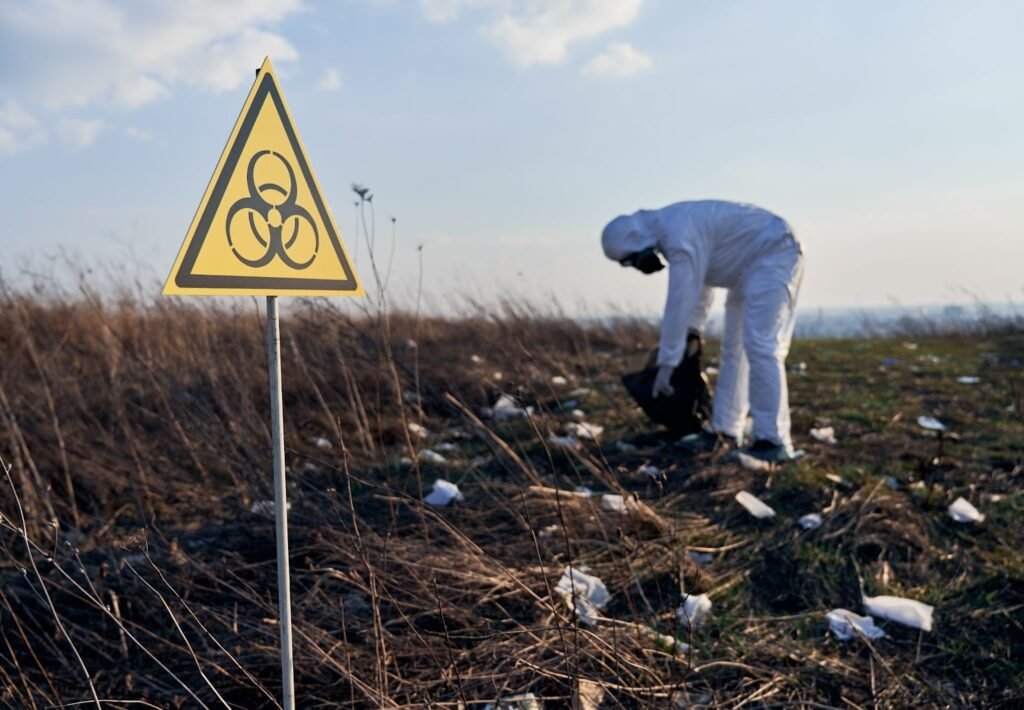
In response to the growing concerns regarding the health implications of phthalate exposure, various regulatory bodies have implemented guidelines aimed at limiting their use in consumer products. Current regulations vary considerably across regions, often reflecting differing levels of risk assessment and public health priorities. Recent health recommendations emphasize the need for ongoing evaluation of phthalate safety, urging stakeholders to adopt stricter measures to mitigate potential risks. Phthalates are used in a variety of cosmetics and personal care products. Phthalates are chemical compounds developed in the last century that are used to make plastics more durable. These colorless, odorless, oily liquids also referred to as “plasticizers” based on their most common uses. They do not evaporate easily and do not permanently bind to plastic surfaces to which they are applied. Phthalates also function as solvents and stabilizers in perfumes and other fragrance preparations.
Current Regulations Overview
Amid growing concerns about the health impacts of phthalates, regulatory bodies worldwide have initiated various measures to mitigate exposure and safeguard public health. These initiatives reflect an awareness of the regulatory challenges posed by the widespread use of phthalates in consumer products, necessitating a coordinated global response to align with international standards.
Significant regulatory actions include:
- The European Union’s REACH regulation, which restricts the use of certain phthalates in various applications, prioritizing consumer safety.
- The United States Consumer Product Safety Improvement Act, which bans specific phthalates in toys and childcare articles, addressing concerns about children’s exposure.
- Recent proposals from other nations aiming to limit phthalate use in cosmetics and personal care products, reflecting a growing trend toward preventive health measures.
Despite these advancements, challenges remain in harmonizing regulations across jurisdictions and ensuring compliance with emerging scientific evidence. Continued dialogue among international agencies, scientists, and industry stakeholders is essential for developing effective strategies to protect public health while respecting consumer freedoms. Ultimately, strong regulatory frameworks will enhance the capacity to address the complexities of phthalate exposure in an increasingly interconnected world.
Health Recommendations Update
Addressing the potential health risks associated with phthalate exposure, health authorities and regulatory agencies have issued updated recommendations aimed at minimizing contact with these harmful substances. These recommendations emphasize the importance of making informed choices regarding consumer products and dietary adjustments.
Recent studies have revealed that phthalates can disrupt endocrine function, leading to reproductive and developmental issues. In response, agencies such as the Environmental Protection Agency (EPA) and the European Chemicals Agency (ECHA) advocate for the reduction of phthalate-containing products in households. Consumers are encouraged to seek product alternatives, specifically those labeled as phthalate-free, particularly in personal care items, plastics, and food packaging.
In terms of dietary adjustments, it is advisable to limit the consumption of processed foods stored in plastic containers, as these may leach phthalates. Opting for fresh, whole foods can greatly reduce exposure. Additionally, using glass or stainless steel containers for food storage is recommended to minimize risks. By adopting these guidelines, individuals can take proactive steps to protect their health while exercising their freedom to choose safer products and lifestyles.
RELATED STUDIES ABOUT PHTHALATES DANGEROUS
In conclusion, the pervasive presence of phthalates in modern life serves as a silent storm, quietly eroding the foundations of hormonal balance and reproductive health. Recent studies illuminate the shadows of developmental risks in children and long-term health consequences that linger like an unwelcome specter. Regulatory responses must act as a lighthouse, guiding society toward safer alternatives and heightened awareness. As the quest for health continues, vigilance against these ubiquitous chemicals remains imperative for future generations.
Regulatory Framework Of Phthalates And Two Common Alternatives: A Review Of The European Union Legislation
Objective:
This review provides a systematic analysis of the European Union’s legislative framework governing 19 major phthalates and two common substitutes (DINCH, DEHTP) in consumer products, with a focus on food contact materials (FCMs), toys and childcare articles, cosmetics, and medical devices.
Key Findings:
- Regulatory Authority:
The European Chemicals Agency (ECHA) is the central body overseeing chemical regulation, primarily through the REACH (Registration, Evaluation, Authorisation and Restriction of Chemicals) regulation. Sector-specific agencies (e.g., EFSA for food safety) collaborate within this framework.
- Classification & Restrictions:
- Several phthalates (DBP, DiBP, BBP, DEHP, etc.) are classified as Substances of Very High Concern (SVHCs) due to reproductive toxicity and endocrine-disrupting properties.
- Their use is severely restricted or banned in FCMs, toys, childcare articles, cosmetics, and medical devices.
- Specific migration limits (SMLs) and concentration thresholds (e.g., 0.1% by weight) are enforced to limit exposure.
- Product-Specific Regulations:
- FCMs: Phthalates are restricted, with recent updates (Regulation (EU) 2023/1442) tightening migration limits.
- Toys & Childcare: Phthalates are prohibited above 0.1% in plasticized materials, with stricter limits for items that can be placed in the mouth.
- Cosmetics: Multiple phthalates are banned entirely under Regulation (EC) 1223/2009.
- Medical Devices: Use is permitted only with justification, and DEHP’s phase-out deadline has been extended to 2030.
- Exposure & Gaps:
- Despite strict regulations, phthalate exposure persists due to legacy products, less-regulated items (e.g., furniture, building materials), and contaminated goods (e.g., UV filters).
- Biomonitoring shows higher exposure in toddlers as they explore environments beyond controlled settings.
- Substitutes:
- DINCH and DEHTP are increasingly used as safer alternatives, with no hazards currently classified under CLP. Their exposure levels remain below safety thresholds.
- International Context:
- The EU’s regulatory approach is more comprehensive than that of the USA and China, though harmonization remains challenging. Initiatives like the SPEAC project aim to improve compliance and safety in global trade.
Conclusions:
The EU has pioneered stringent phthalate regulations, successfully reducing exposure in vulnerable groups like infants. However, regulatory gaps, enforcement challenges, and persistent exposure sources highlight the need for:
- Ongoing legislative updates and international cooperation.
- Enhanced biomonitoring and research to inform policy (e.g., HBM4EU, PARC).
- Improved public health communication and consumer awareness.
The study underscores the importance of integrating scientific evidence with regulatory practices to further protect public health and ensure safer global trade.
| REFERENCE: Lucia Palandri, Marco Monti, Maria Rosaria Scasserra, Camilla Lugli, Marco Fasano, Laura Lucaccioni, Elena Righi, Regulatory framework of phthalates and two common alternatives: A review of the European Union legislation, International Journal of Hygiene and Environmental Health, Volume 271, 2026, 114704, ISSN 1438-4639, https://doi.org/10.1016/j.ijheh.2025.114704. (https://www.sciencedirect.com/science/article/pii/S1438463925001865) |
Behavioural And Cyto-Genotoxic Effects In Adult Rats And Induced Congenital Anomalies To Their Embryos, Exposed To Environmentally Relevant Concentrations Of Phthalates
Objective:
This study investigated the long-term effects of environmentally relevant, low-dose exposure to two common phthalates—di(2-ethylhexyl) phthalate (DEHP) and dibutyl phthalate (DBP)—on adult female Wistar rats and their offspring. The research focused on behavioral changes, physiological parameters, cyto-genotoxicity in bone marrow, and embryotoxicity, using concentrations reflective of contamination levels found in Lithuanian wastewater.
Key Findings:
- Behavioral Effects:
- No consistent, significant changes were observed in anxiety-like or locomotor behaviors across standardized tests (Open Field, Elevated Plus Maze, Running Wheel).
- Behavioral assessments were exploratory and not statistically powered; results should be interpreted with caution.
- Physiological Parameters:
- No significant changes in body weight were detected after two months of exposure.
- Minor alterations in blood parameters (e.g., white blood cell count, mean corpuscular hemoglobin concentration) were observed but remained within normal ranges, suggesting limited systemic toxicity at these doses.
- Cyto-Genotoxic Effects:
- Significant genotoxicity: All exposed groups showed a marked increase in micronuclei formation in polychromatic erythrocytes (PCEs), indicating chromosomal damage.
- Cytotoxicity: The PCE/NCE ratio decreased significantly, indicating disrupted erythrocyte proliferation and accelerated cell aging.
- Effects were observed even at the lowest environmentally relevant doses (200 μg/kg DEHP, 100 μg/kg DBP) and were more pronounced at higher doses.
- Embryotoxic Effects:
- Non-monotonic dose response: Lower doses (environmentally relevant) resulted in lighter and shorter embryos, while higher doses led to heavier and longer embryos compared to controls.
- Increased embryopathology: All exposed groups showed embryo resorptions and gross morphological abnormalities (e.g., hematomas, hemorrhages, placentomegaly).
- The highest pathology rates were in high-dose groups (up to 32.76%), but even low-dose DBP (100 μg/kg) caused 12.50% pathologies.
Conclusions:
- Long-term exposure to environmentally relevant concentrations of DEHP and DBP does not produce overt behavioral or physiological changes in adult female rats.
- However, these doses induce significant cyto-genotoxic damage in bone marrow and cause embryotoxic effects, including growth alterations and congenital abnormalities.
- The observed non-monotonic dose response highlights the complex toxicity profile of phthalates and underscores the inadequacy of high-dose studies for predicting low-dose risks.
- The findings raise serious concerns about the potential hidden health risks of chronic low-level phthalate exposure, particularly for reproductive and developmental outcomes.
Implications:
This study emphasizes the need for:
- Reevaluating regulatory thresholds to include low-dose and non-monotonic effects.
- Expanding research on female-specific and developmental toxicity of phthalates.
- Implementing stricter environmental controls to limit phthalate contamination, especially in regions with inadequate wastewater treatment.
| REFERENCE: Edita Paulikaitė-Bivainė, Laurynas Orla, Justina Alčauskaitė, Evita Sėrikovaitė, Rokas Zalūba, Vaidotas Valskys, Valdas Šimčikas, Rokas Buišas, Rasa Aukštikalnienė, Violeta Žalgevičienė, Grita Skujienė, Behavioural and cyto-genotoxic effects in adult rats and induced congenital anomalies to their embryos, exposed to environmentally relevant concentrations of phthalates, Ecotoxicology and Environmental Safety, Volume 302, 2025, 118736, ISSN 0147-6513, https://doi.org/10.1016/j.ecoenv.2025.118736. (https://www.sciencedirect.com/science/article/pii/S0147651325010814) |
Phthalate Concentrations In Drinking Water In Wpro Regions: A Systematic Review And Meta-Analysis
Objective:
This study aimed to systematically review and analyze the concentration levels of phthalate esters (PAEs) in drinking water across countries within the World Health Organization Western Pacific Region (WPRO).
Methods:
- A comprehensive search was conducted across four databases (Scopus, Web of Science, ScienceDirect, PubMed) for studies published between December 2000 and May 2024.
- From an initial 2,821 articles, 11 studies meeting inclusion criteria were selected for qualitative and quantitative synthesis.
- Statistical analysis was performed using STATA software, applying random-effects models to account for high heterogeneity.
Key Findings:
- Geographic Coverage:
- 9 of the 11 studies were from China, with additional studies from Taiwan and Vietnam.
- Most Detected Phthalates:
- Di(2-ethylhexyl) phthalate (DEHP), dibutyl phthalate (DBP), and benzyl butyl phthalate (BBP) were the most frequently detected and at the highest concentrations.
- Concentration Levels:
- DEHP concentrations ranged from 0.01 to 1.30 µg/L.
- DBP ranged from 0.01 to 0.95 µg/L.
- Levels generally remained below WHO, U.S. EPA, and Chinese regulatory limits.
- Influencing Factors:
- Packaging: Bottle thickness, material (especially PET), and storage duration significantly affected PAE migration into water.
- Storage Conditions: Exposure to higher temperatures and UV light (sunlight) increased PAE leaching.
- Water Type: PAE concentrations were generally higher in bottled water than in barreled or tap water.
- Health and Environmental Implications:
- Phthalates are endocrine-disrupting compounds linked to developmental, reproductive, and cognitive health risks.
- Vulnerable groups such as pregnant women and children are at higher risk.
- Despite compliance with most regulatory limits, chronic low-level exposure remains a public health concern.
Conclusions:
The study concludes that phthalate contamination in WPRO drinking water is influenced by packaging materials and storage conditions. To minimize exposure, it is recommended to:
- Improve packaging standards.
- Avoid storing bottled water in warm or sun-exposed environments.
- Enhance monitoring and regulatory frameworks for PAEs in drinking water.
Significance:
This review provides a regional evidence base for policymakers and public health authorities to develop targeted interventions aimed at reducing phthalate exposure through drinking water.
| REFERENCE: Majid Farhadi, Ayda Sepahvand, Behrouz Beiranvand, Farshid Soleimani, Phthalate concentrations in drinking water in WPRO regions: A systematic review and meta-analysis, Desalination and Water Treatment, Volume 322, 2025, 101217, ISSN 1944-3986, https://doi.org/10.1016/j.dwt.2025.101217. (https://www.sciencedirect.com/science/article/pii/S1944398625002334) |
