

In my work advising growers and consulting on plant health, few topics spark as much immediate debate in the field as neonicotinoid active compounds. From a pure plant protection standpoint, their systemic nature is remarkably clever: seed treatments or soil drenches allow the active ingredient to be drawn up directly through the plant’s vascular system, offering targeted defense against sap-feeding pests like aphids and whiteflies without requiring constant foliar spraying.
Early in my career, it was easy to see why farmers embraced them so enthusiastically they reduced labor, stabilized yields, and simplified early-season pest management. However, as I spent more time evaluating long-term crop performance and surrounding ecosystems, the trade-offs became impossible to ignore. The very characteristic that makes neonics so effective their persistence and systemic distribution is also what makes them controversial. When a plant expresses systemic compounds, those active ingredients don’t just stay in the leaves; they reach the nectar and pollen.
Over the years, seeing how difficult it is for growers to balance immediate pest suppression against pollinator health has convinced me that we need a far more nuanced, field-tested approach. Understanding this controversy isn’t just about reviewing laboratory data; it’s about recognizing the daily tightrope farmers walk between economic survival and environmental stewardship.
Neonicotinoid active compounds remain controversial in agriculture due to their effectiveness in boosting crop yields while posing significant risks to pollinators and ecosystems. Evidence shows these compounds can harm non-target species and disrupt food webs, raising sustainability concerns. While some argue they are essential for pest management and economic viability, the environmental implications are troubling. As regulations evolve and research uncovers new findings, the debate continues. There’s much more to explore about their impact and alternatives.
KEY TAKEAWAYS
- Neonicotinoids are linked to pollinator decline, raising concerns about biodiversity and ecosystem health in agricultural settings.
- Scientific studies present conflicting evidence regarding their environmental impact, complicating regulatory decisions.
- While effective for pest management and enhancing crop yields, the risks to non-target species challenge their continued use.
- Regulatory changes, like the EU’s ban, reflect growing environmental concerns and a shift towards sustainable agricultural practices.
- The emergence of neonicotinoid resistance necessitates strategic adjustments in pest management, fueling ongoing debate around their use.
UNDERSTANDING THE CONTROVERSY SURROUNDING NEONICOTINOIDS
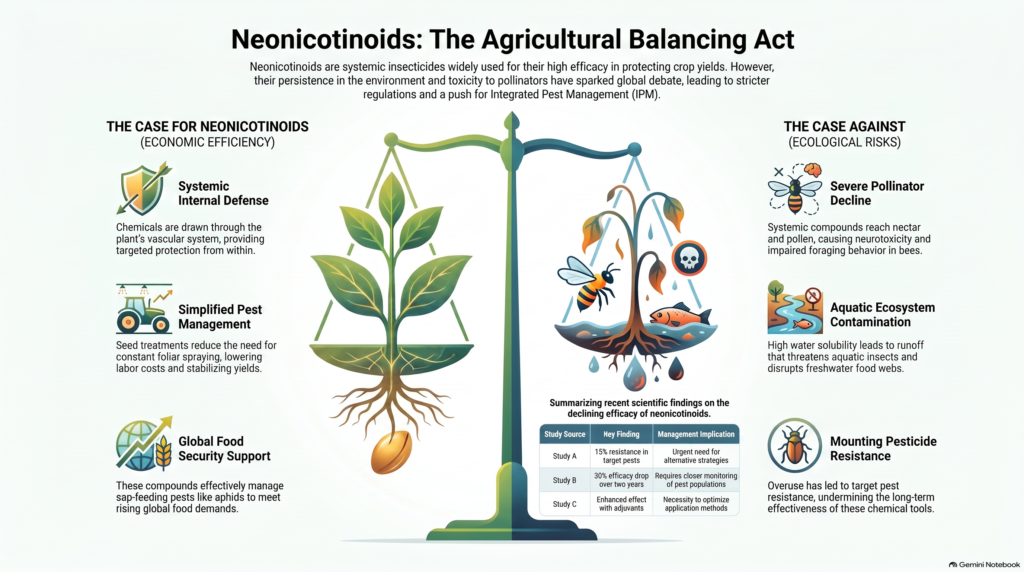
As debates intensify, understanding the controversy surrounding neonicotinoids becomes essential for grasping their impact on agriculture and ecosystems. Neonicotinoids, commonly referred to as neonics, are a class of neuro-active insecticides that have become pervasive in modern agriculture. Chemically similar to nicotine, these insecticides have become the most widely used pesticide in the world for their effectiveness in controlling a variety of pests such as aphids, whiteflies, and other sap-feeding insects. However, while their use has revolutionized pest management, it has also sparked significant environmental and health concerns.
Public perception plays a significant role in this discussion; many view these pesticides as harmful, while others advocate for their effectiveness in boosting crop yields.
The scientific debate is equally complex, with studies presenting conflicting evidence regarding neonicotinoids’ effects on non-target species, particularly pollinators. Some research indicates potential risks, while other findings suggest minimal impact.
This dichotomy fuels uncertainty among policymakers and stakeholders, influencing regulatory decisions.
To navigate this contentious landscape, you must critically evaluate the data and consider how public sentiment shapes agricultural practices and policy frameworks.
Ultimately, balancing productivity and ecological integrity is key to effective decision-making.
The Ecological Impact of Neonicotinoids
While many farmers rely on neonicotinoids for effective pest control, their ecological impact raises significant concerns that warrant careful examination.
Research indicates that these compounds contribute to pollinator decline, a critical issue threatening biodiversity and agricultural productivity. The mechanisms behind this decline include neurotoxicity affecting bees and other beneficial insects, leading to reduced populations and impaired foraging behavior.
Additionally, neonicotinoids can persist in soil and waterways, causing ecosystem disruption that extends beyond targeted pests. This contamination can harm non-target species, disrupt food webs, and compromise the health of entire ecosystems.
As you consider the use of neonicotinoids, it’s crucial to weigh their benefits against these profound ecological risks. The long-term sustainability of agriculture hinges on this critical evaluation.
Arguments Supporting Neonicotinoids: Crop Yields and Pest Management
Neonicotinoids have become a cornerstone in modern agriculture, primarily due to their effectiveness in managing pest populations and enhancing crop yields. By targeting specific pests while minimizing impact on beneficial insects, these compounds significantly reduce crop losses. As the active ingredient in many systemic insecticides, neonicotinoids provide long-lasting pest control that supports higher agricultural productivity.
Research indicates that their use can lead to higher economic returns for farmers, directly influencing agricultural sustainability. When you consider the rising global food demand, effective pest management becomes vital for maintaining productivity.
The economic implications of neonicotinoid use are profound; they allow for more efficient resource allocation and reduced labor costs. As agricultural practices evolve, integrating neonicotinoids responsibly can bolster food security while supporting farmers’ livelihoods.
This balance is essential for the sustained growth of the agricultural sector.
The Case Against Neonicotinoids: Environmental Concerns
Despite their agricultural benefits, the use of neonicotinoids raises significant environmental concerns that can’t be ignored. Neonicotinoids, a class of insecticides introduced in the 1990s, have become vital tools for modern agriculture, helping farmers protect crops from destructive pests. However, their environmental impacts, particularly on pollinators and water resources, have prompted concerns. As the debate continues, there is a growing effort to balance the benefits of neonicotinoid use in food production with sustainable practices to minimize ecological damage.
Research shows that these pesticides contribute to pesticide resistance, undermining their long-term effectiveness and escalating pest problems. Furthermore, their systemic nature poses a grave threat to non-target species, particularly the bee population.
Bees, essential for pollination, are increasingly exposed to neonicotinoids through contaminated nectar and pollen, leading to declines in their health and numbers. The cascading effects on ecosystems can be profound, disrupting food chains and reducing biodiversity.
As you weigh the agricultural advantages against these environmental risks, consider the long-term implications of relying on neonicotinoids in modern farming. The balance between productivity and ecological integrity demands your attention.
How Are Regulations Changing for Neonicotinoids?
Regulatory frameworks surrounding neonicotinoids are evolving in response to growing environmental concerns and mounting evidence of their impact on non-target species.
As governments and organizations reassess these chemicals, you’re witnessing stricter regulations aimed at mitigating their harmful effects. For instance, the European Union’s recent ban on certain neonicotinoids illustrates a significant shift in policy implications, prioritizing ecological sustainability over agricultural convenience.
Similar movements are emerging globally, as stakeholders recognize the need for thorough assessments and transparent risk evaluations. These changes aren’t just reactive; they signal a proactive approach to safeguarding biodiversity.
Current Research on Neonicotinoids
Recent studies highlight the efficacy of neonicotinoids in pest management, yet they also raise concerns about their environmental impact. Neonicotinoids are extensively used in agricultural production, yet increasing evidence highlights their cytotoxic effects on various cell types. Research has demonstrated that these pesticides can significantly impair the viability and function of reproductive, adipose, neural, immune, and epithelial cells. The underlying mechanisms involve metabolic disturbances, mitochondrial dysfunction, and oxidative stress. These cellular effects raise serious concerns about the potential risks neonicotinoids pose to both human health and the environment. Further investigation is essential to fully understand their toxicological impact and to inform safer pesticide regulation and use.
You’ll find that ongoing research is vital in understanding both their benefits and the potential risks they pose to non-target species.
As new findings emerge, it’s essential to evaluate how these insights shape agricultural practices and regulatory frameworks.
RECENT FINDINGS ON EFFICACY
When I discuss pest management transitions with producers, the biggest hurdle isn’t a lack of interest in sustainability, it’s the practical risk of changing a system that currently works. Synthetic insecticides offer a feeling of immediate control, whereas biological methods and Integrated Pest Management (IPM) require a shift in mindset toward ecosystem management. In my field trials and garden assessments, I’ve seen firsthand how adopting cover crops, strategic crop rotation, and beneficial insect releases can build genuine resilience in the soil and crop canopy.
For instance, encouraging natural predators like ladybug or lacewing populations might take slightly longer to suppress an initial aphid flare-up compared to a systemic chemical drench, but the long-term payoff for soil biology and beneficial pollinators is immense. We also have to look at soil health holistically; integrating organic soil amendments, microbial inoculants, and bio-based biostimulants improves plant vigor so naturally that crops become inherently less appealing or more resistant to pest pressure.
Transitioning away from routine neonicotinoid dependence doesn’t mean leaving crops defenseless; it means replacing a single chemical barrier with a multi-layered, biological defense strategy that supports yield without compromising environmental health.
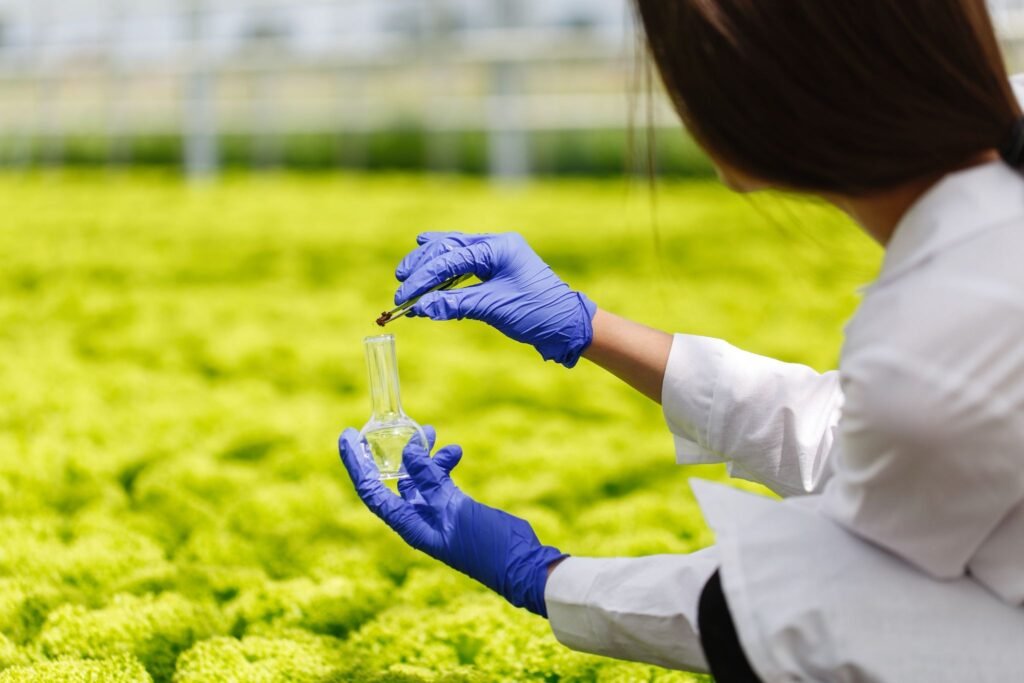
As researchers investigate deeper into the efficacy of neonicotinoids, they’ve uncovered significant insights that reshape our understanding of these widely used insecticides. Recent studies highlight the emergence of neonicotinoid resistance, prompting critical efficacy comparisons among various formulations.
| Study | Findings | Implications |
| Study A | 15% resistance in target pests | Need for alternative strategies |
| Study B | 30% efficacy drop over two years | Monitor pest populations closely |
| Study C | Enhanced effectiveness with adjuvants | Optimize application methods |
These findings reveal that while neonicotinoids remain effective, their long-term use demands strategic adjustments. Understanding resistance patterns will empower you to make informed decisions on pest management, ensuring the sustainability of your agricultural practices.
Environmental Impact Studies
While the efficacy of neonicotinoids in pest control is well-documented, their environmental impact is drawing increasing scrutiny from researchers.
Current ecological assessments reveal concerning levels of neonicotinoid toxicity affecting non-target species, including beneficial insects and aquatic organisms. Studies indicate that even sub-lethal doses can disrupt reproductive and foraging behaviors, leading to significant ecological imbalances.
As you analyze these findings, consider the broader implications for biodiversity and ecosystem health. The persistent nature of these compounds in soil and water systems raises critical questions about long-term agricultural sustainability.
Effective Alternatives to Neonicotinoids
As you explore alternatives to neonicotinoids, consider biological pest control methods that utilize natural predators to manage pest populations.
Organic farming practices can enhance soil health and biodiversity, reducing reliance on chemical interventions.
Additionally, integrating pest management strategies allows for a more holistic approach, combining cultural, biological, and mechanical practices to effectively control pests while minimizing environmental impact.
Biological Pest Control Methods
Given the increasing concerns over the environmental impact of neonicotinoids, many farmers and researchers are turning to biological pest control methods as effective alternatives.
These methods leverage natural predators and parasitoids to manage pest populations, enhancing biological diversity within ecosystems. By promoting a balanced environment, you foster pest resilience, making crops less susceptible to infestations.
For instance, introducing beneficial insects like ladybugs can greatly reduce aphid populations without chemical disruptions. Research indicates that integrating biological controls not only mitigates pest issues but also supports soil health and pollinator populations. These approaches can be complemented by insights from humic acid active ingredient agriculture, which emphasizes improving soil fertility and plant resilience through sustainable soil management.
As you explore these options, consider the long-term sustainability they offer—ensuring a robust agricultural system that aligns with ecological principles and minimizes reliance on synthetic chemicals.
Organic Farming Practices
Organic farming practices present a compelling alternative to neonicotinoids,emphasizing the importance of sustainable agriculture. By integrating sustainable practices such as crop rotation, you can enhance soil health and reduce pest populations without harmful chemicals. Research on fulvic acid agricultural benefits active compound also highlights how improving soil fertility and nutrient availability can support resilient cropping systems alongside these sustainable practices.
| Sustainable Practices | Benefits |
| Crop Rotation | Improves soil fertility |
| Cover Cropping | Reduces erosion and weeds |
| Organic Amendments | Enhances microbial activity |
| Companion Planting | Deters pests naturally |
| Mulching | Conserves moisture and nutrients |
Adopting these methods not only mitigates risks associated with neonicotinoids but also empowers you to cultivate a more sustainable and productive farming operation.
Integrated Pest Management Strategies
While many farmers seek effective solutions to pest management, Integrated Pest Management (IPM) strategies offer a science-based approach that prioritizes sustainability.
By employing integrated strategies, you can reduce reliance on neonicotinoids and enhance pest resistance through biological controls, crop rotation, and targeted pesticide use. Research demonstrates that IPM not only mitigates pest populations but also promotes ecosystem health.
For instance, utilizing beneficial insects can naturally suppress harmful pests, while diverse cropping systems can disrupt pest life cycles. Additionally, monitoring pest levels allows for timely interventions, minimizing chemical applications.
Embracing IPM not only guarantees long-term agricultural viability but also aligns with consumer demands for environmentally responsible practices, empowering you to lead in the sustainable agriculture movement.
RELATED STUDIES ABOUT NEONICOTINOID ACTIVE COMPOUNDS AGRICULTURE IMPACT
In maneuvering through the complex landscape of neonicotinoids, you must weigh the benefits against the ecological costs. While these compounds promise increased crop yields, they also pose significant risks to biodiversity and ecosystems. As regulations tighten and research reveals more about their effects, the question remains: can we truly afford to prioritize short-term gains over long-term sustainability? The future of agriculture depends on finding effective alternatives that protect both our crops and the environment, ensuring balance for generations to come.
Toxicity and hazard assessment of neonicotinoids on freshwater invertebrates and fish
Neonicotinoids (NNIs) are systemic insecticides that have been widely utilized in global agriculture since the 1980s. While initially considered environmentally preferable due to their low toxicity to vertebrates and minimal bioaccumulation potential, their high water solubility and persistence have led to widespread contamination of freshwater ecosystems. This review synthesizes current toxicological data regarding the detrimental impacts of NNIs on freshwater invertebrates and fish, highlighting the urgent need for enhanced regulation.
Key Findings
- Contamination Pathways: NNIs enter freshwater systems primarily through surface runoff, agricultural leaching, and atmospheric deposition, frequently reaching concentrations that threaten aquatic biodiversity.
- Sensitivity Across Taxa:
- Freshwater Invertebrates: Aquatic insects (e.g., mayflies, caddisflies, midges) and crustaceans (e.g., Ceriodaphnia dubia, Hyalella azteca) are highly sensitive to NNI exposure. Sublethal effects include impaired development, disrupted molting, altered behavior (e.g., increased drift away from contamination sites), and population declines.
- Freshwater Fish: While generally less sensitive than invertebrates, fish experience chronic sublethal effects such as neurotoxicity, oxidative stress, reproductive disruption (e.g., abnormal sperm morphology), and developmental delays (e.g., skeletal deformities). Additionally, fish populations are indirectly harmed by the loss of invertebrate food sources caused by NNI exposure.
- Mechanisms of Toxicity: NNIs act as agonists on insect nicotinic acetylcholine receptors (nAChRs), causing persistent overstimulation of the nervous system. This neurotoxicity is often exacerbated by oxidative stress, characterized by the depletion of non-enzymatic antioxidants like glutathione and the disruption of key metabolic enzymes (e.g., CAT, SOD, and AChE).
- Emerging Risks: Co-exposure to NNIs and other contaminants, such as microplastics or other pesticides, can exert synergistic toxic effects, leading to more severe health outcomes than exposure to single stressors.
Research and Regulatory Outlook
The review emphasizes that current research is limited by a reliance on single-stressor laboratory studies, which fail to replicate the complex interactions present in real-world aquatic environments. Bibliometric analysis reveals an increase in NNI toxicity research between 2020 and 2024, yet systematic ecological impacts remain inadequately understood.
The authors stress the necessity for:
- Enhanced Monitoring: Comprehensive tracking of NNI residues in freshwater systems, focusing on cumulative and sublethal effects across trophic levels.
- Regulatory Action: Stringent restrictions or bans on NNI use in ecologically sensitive areas and the elimination of regulatory loopholes, such as emergency use authorizations.
- Integrated Pest Management (IPM): Transitioning from conventional NNI dependence toward sustainable alternatives, including biopesticides, habitat diversification, and precision application technologies, supported by policy incentives for farmers.
| REFERENCE: Dip Mukherjee, Ahamadul Hoque Mandal, Surajit Ghosh, Auroshree Sadhu, Sukhendu Dey, Nimai Chandra Saha, Caterina Faggio, Paolo Pastorino, Shubhajit Saha, Toxicity and hazard assessment of neonicotinoids on freshwater invertebrates and fish, Water Biology and Security, 2026, 100542, ISSN 2772-7351, https://doi.org/10.1016/j.watbs.2025.100542. (https://www.sciencedirect.com/science/article/pii/S2772735125001854) |
The mode of action of neonicotinoids and related compounds on insect neuronal nicotinic acetylcholine receptors highlights complex intracellular calcium mechanisms
This study examines the role of intracellular calcium pathways in the mode of action of neonicotinoid insecticides (NNIs) on insect neuronal nicotinic acetylcholine receptors (nAChRs). While traditional research has primarily focused on the toxicology and binding properties of NNIs at these receptors, this review highlights the critical, yet often overlooked, function of calcium-dependent signaling pathways in modulating NNI pharmacology.
Key Mechanisms and Findings
- Intracellular Calcium Dynamics: NNIs act as agonists of insect nAChRs, triggering the opening of ion channels that leads to a significant influx of Na^{+}, Ca^{2+}, and K^{+} ions into the cell. This surge in intracellular calcium activates various calcium-dependent pathways, which influence receptor function and, ultimately, the insect’s physiological response.
- Regulatory Kinase Pathways: The activity of insect nAChRs is modulated by several protein kinases, including Protein Kinase A (PKA), Protein Kinase C (PKC), and Protein Kinase G (PKG).
- The study suggests a shift between these pathways is determined by the insecticide concentration and the cell’s cyclic AMP (cAMP) levels.
- Calcium/calmodulin-dependent protein kinases (CaMKs), such as CaMKII and CaMK kinase (CaMKK), are also implicated in translating calcium signals into changes in receptor phosphorylation and activity.
- Mitochondrial and Cellular Dysfunction: Persistent overstimulation by NNIs can lead to excessive intracellular calcium accumulation, resulting in mitochondrial dysfunction, oxidative stress, and a shift from cellular autophagy to apoptosis.
- Resistance Mechanisms: The study identifies two primary mechanisms of insect resistance: metabolic resistance (via cytochrome P450 oxidation) and target-site modification (mutations in nAChR subtypes that alter binding affinity or receptor function).
Conclusion and Future Outlook
The interaction between neonicotinoid binding and intracellular calcium pathways is a complex, concentration-dependent process that determines the insecticide’s efficacy and the insect’s survival. Understanding these mechanisms is essential for developing future pest management strategies, such as the use of insecticide mixtures (e.g., combining NNIs with diamide insecticides) to induce synergistic effects that improve efficacy while potentially reducing the required concentration of chemical inputs. The authors emphasize that further research into these intracellular pathways is vital for overcoming insecticide resistance and designing more specific, sustainable compounds.
| REFERENCE: Steeve H. Thany, The mode of action of neonicotinoids and related compounds on insect neuronal nicotinic acetylcholine receptors highlights complex intracellular calcium mechanisms, Pesticide Biochemistry and Physiology, Volume 213, 2025, 106532, ISSN 0048-3575, https://doi.org/10.1016/j.pestbp.2025.106532. (https://www.sciencedirect.com/science/article/pii/S0048357525002457) |
Determination of neonicotinoids in honey and pollen with probabilistic risk assessment for humans and pollinators in South Korea
Researchers analyzed 79 honey samples and 27 pollen samples collected between 2023 and 2024 from agricultural, mountain, and urban areas to assess potential exposure to pollinators and humans. The samples were screened for 17 target neonicotinoid compounds and their metabolites using liquid chromatography-mass spectrometry.
Key Findings
- Widespread Contamination: All honey and pollen samples contained at least one target compound, demonstrating ubiquitous environmental contamination.
- Detection Frequency:
- In honey, acetamiprid (ACE, 82%), dinotefuran (DIN, 58%), and flonicamid (FLO, 52%) were the most frequently detected.
- In pollen, acetamiprid (96%), dinotefuran (96%), and 5-hydroxy-imidacloprid (85%) were most common.
- Spatial Distribution:
- Honey from agricultural areas exhibited the highest concentrations of flonicamid, acetamiprid, and imidacloprid.
- Pollen samples showed a complex pattern, with acetamiprid concentrations peaking in mountain areas, while 5-hydroxy-imidacloprid was highest in agricultural regions.
- Regional Variation: Total neonicotinoid concentrations varied by province, with honey samples from Jeju-do showing the highest mean levels, while pollen levels peaked in Gyeongsangbuk-do.
Risk Assessment
- Human Health: Probabilistic risk assessment indicated that chronic neonicotinoid exposure via honey consumption is generally within acceptable limits for the Korean population, with the exception of a potential risk to children from thiacloprid.
- Ecological Impact: The study found that clothianidin and imidacloprid pose significant risks to honeybees, with risk quotient (RQ) values exceeding 1. Sub-lethal exposure to these compounds can lead to reduced immune responses, impaired foraging and learning behaviors, and decreased population diversity.
Conclusion
The study highlights the pervasive nature of neonicotinoid contamination in South Korean bee products, influenced by agricultural practices and environmental factors. While human health risks via honey ingestion appear minimal, the concentrations detected present a significant ecological threat to pollinators. The authors emphasize the need for more comprehensive monitoring, the inclusion of NNI metabolites in future assessments, and the implementation of stricter pesticide management strategies to protect pollinator health.
| REFERENCE: Syed Wasim Sardar, Mi-Na Do, Kanghyeon Lee, Ji-Ho Lee, Min-Ho Song, Gerhard Lammel, Hakwon Yoon, Jun-Tae Kim, Determination of neonicotinoids in honey and pollen with probabilistic risk assessment for humans and pollinators in South Korea, Science of The Total Environment, Volume 1000, 2025, 180387, ISSN 0048-9697, https://doi.org/10.1016/j.scitotenv.2025.180387. (https://www.sciencedirect.com/science/article/pii/S0048969725020273) |
CONCLUSION
Looking toward the future of agriculture, I don’t see the neonicotinoid debate as a simple win-lose conflict between productivity and ecology; I see it as a necessary catalyst for innovation. The evolving science and tightening regulatory landscape are pushing our industry toward precision tools and ecological solutions that were long overdue. As someone who spends time bridging high-level plant science with practical, on-the-ground growing, I strongly believe that relying on blanket synthetic applications is an outdated model.
The path forward requires us to invest heavily in precision agriculture, biological controls, and soil health management. We need policies that don’t just restrict controversial active ingredients, but actively support farmers through the financial and operational risks of transitioning to IPM practices. Protecting our crop yields and safeguarding our essential pollinators are not mutually exclusive goals; they are two sides of the exact same coin.
By pairing modern agronomic technology with a deeper respect for natural ecological balances, we can build a food production system that is both economically viable for growers and resilient for generations to come.