
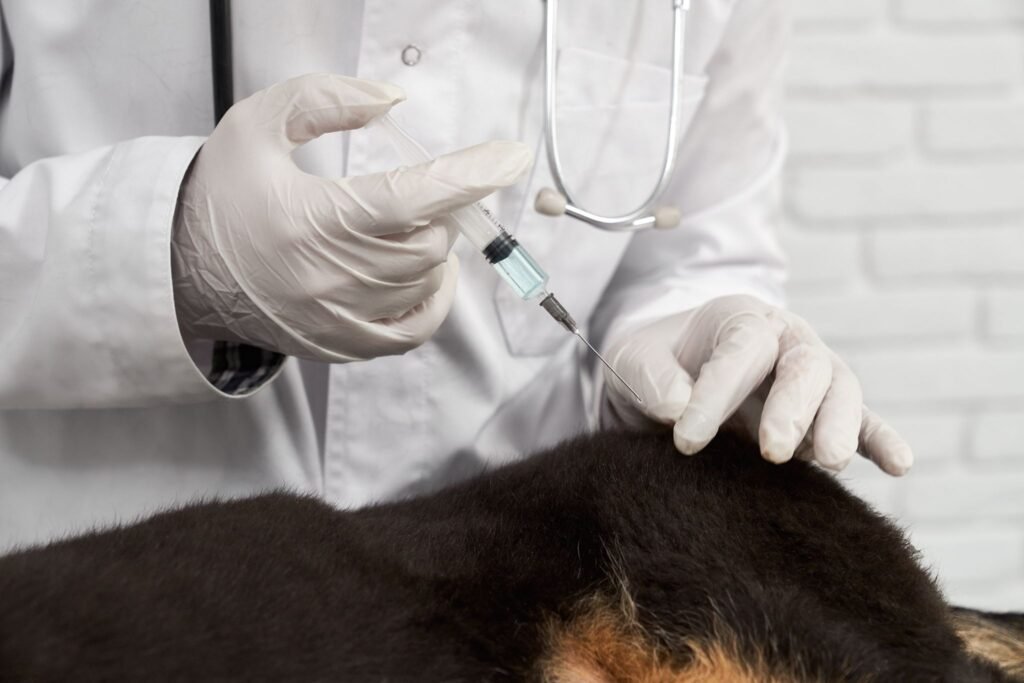
From my perspective as a formulation scientist and veterinary toxicologist, watching an animal recover smoothly after a surgical procedure or an acute musculoskeletal injury is one of the most rewarding parts of veterinary medicine. However, achieving that seamless recovery hinges almost entirely on how effectively and safely we manage pain. Throughout my years studying active pharmaceutical ingredients, I have constantly evaluated the delicate balance between therapeutic efficacy and safety profiles.
Ketoprofen injection has long fascinated me because of its potent anti-inflammatory and analgesic capabilities. When we look at cyclooxygenase (COX) inhibition, ketoprofen acts quickly to suppress prostaglandin production, which directly translates to reduced swelling and immediate comfort for the patient. Yet, as with any potent non-steroidal anti-inflammatory drug, its therapeutic index requires careful respect.
In my work, I always emphasize that managing pain isn’t just about knocking down inflammation; it’s about doing so without compromising organ systems like the kidneys or GI tract. As we dive into the applications of ketoprofen injection, my goal is to bridge the underlying chemical mechanisms with practical, safety-first clinical protocols so that caretakers and practitioners can make fully informed decisions for the animals in their care.
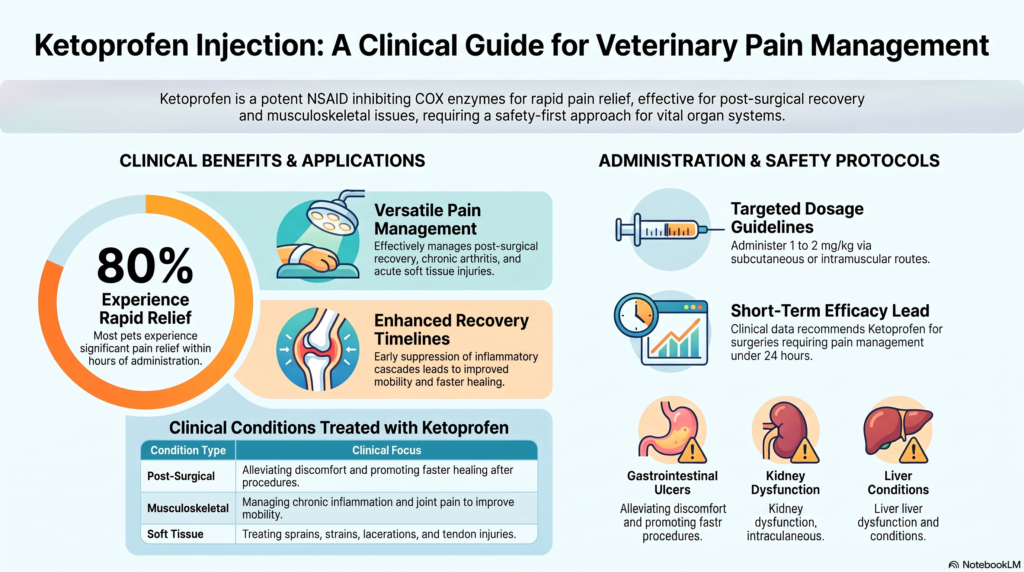
Ketoprofen injection is a powerful tool in veterinary medicine for managing pain and inflammation in animals. It quickly alleviates discomfort from conditions like post-surgical recovery, arthritis, and soft tissue injuries. By reducing inflammation and improving mobility, ketoprofen enhances the overall quality of life for pets. Its cost-effectiveness means fewer medications and faster recovery times. If you’re looking for more insights on its applications and benefits, there’s much more to discover about ketoprofen’s role in animal care.
KEY TAKEAWAYS
- Ketoprofen injection effectively alleviates post-surgical pain, enhancing recovery and comfort in animals after procedures.
- It manages chronic conditions like arthritis and joint pain, improving mobility and quality of life.
- The drug is useful for treating soft tissue injuries, such as sprains, strains, and lacerations.
- Dosage ranges from 1 to 2 mg/kg, administered subcutaneously or intramuscularly, allowing for tailored pain control.
- Ketoprofen’s versatility reduces the need for multiple medications, streamlining treatment protocols across various species.
WHAT IS KETOPROFEN AND HOW DOES IT HELP?
Ketoprofen is a non-steroidal anti-inflammatory drug (NSAID) commonly used in veterinary medicine to relieve pain and reduce inflammation in animals.
Its mechanism involves inhibiting cyclooxygenase (COX) enzymes, which play a vital role in the production of prostaglandins—compounds responsible for pain and swelling.
By blocking these enzymes, ketoprofen effectively diminishes the inflammatory response, leading to improved comfort and mobility for your animal. As the active ingredient, ketoprofen provides targeted pain relief and anti-inflammatory effects, making it a valuable option in veterinary treatment protocols.
This targeted pain management approach not only alleviates discomfort but also enhances the overall quality of life for pets recovering from surgery or injury.
Understanding how ketoprofen works empowers you to make informed decisions about your animal’s care, ensuring they receive the most effective pain relief available.
Benefits of Ketoprofen Injection for Pain Relief in Animals
When it comes to managing pain in animals, ketoprofen injection offers significant advantages over other treatment options. Its effectiveness in providing rapid pain relief makes it a go-to choice for veterinarians.
Unlike many alternative therapies, ketoprofen targets inflammation directly, ensuring a thorough approach to pain management techniques. This nonsteroidal anti-inflammatory drug (NSAID) not only alleviates discomfort but also enhances mobility in your furry companions.
Its long-lasting effects reduce the need for frequent dosing, making it more convenient for both you and your veterinarian. In some cases involving bacterial infections that accompany painful conditions, veterinarians may also prescribe enrofloxacin for dogs alongside appropriate pain management to support a comprehensive treatment plan. By utilizing ketoprofen, you’re empowering your pet’s recovery and improving their quality of life.
In the domain of veterinary pain management, ketoprofen injection stands out as a powerful ally in combating pain effectively and compassionately.
Common Conditions Treated With Ketoprofen in Veterinary Medicine
When treating common conditions in veterinary medicine, ketoprofen plays an essential role in managing pain effectively.
You’ll find it particularly beneficial for post-surgical pain management, arthritis, joint pain, and soft tissue injuries. In livestock practice, ketoprofen may also be incorporated into treatment plans for painful conditions associated with bacterial infections, where florfenicol antibiotic cattle therapies are prescribed to address susceptible respiratory pathogens while the anti-inflammatory medication helps improve comfort and recovery.
Understanding these applications can enhance your approach to providing compassionate care for your patients.
Post-Surgical Pain Management
Effective pain management is crucial in veterinary medicine, especially after surgical procedures, where animals may experience significant discomfort.
Utilizing ketoprofen for post-operative care can greatly enhance recovery by alleviating pain and promoting faster healing.
Consider the following aspects of pain assessment in your practice:
- Monitor essential signs and behaviors for signs of distress.
- Use a pain scale tailored for the species being treated.
- Administer ketoprofen as directed for maximum effect.
- Evaluate the need for additional analgesics if pain persists.
- Educate pet owners on recognizing pain indicators at home.
Arthritis and Joint Pain
Arthritis and joint pain are common conditions that greatly impact an animal’s quality of life, often leading to chronic discomfort and reduced mobility.
Ketoprofen injection serves as a powerful tool in managing these issues by effectively addressing chronic inflammation. By inhibiting the production of inflammatory mediators, it alleviates pain and enhances mobility in affected animals.
This non-steroidal anti-inflammatory drug (NSAID) not only provides relief but also facilitates a return to normal activities, allowing your pet to regain their zest for life.
As a responsible caregiver, you have the ability to considerably improve your animal’s well-being through timely intervention with ketoprofen. Empower your pet by choosing effective pain management solutions that prioritize their comfort and mobility.
Soft Tissue Injuries
In addition to managing arthritis and joint pain, ketoprofen injection is highly beneficial for treating soft tissue injuries in animals.
This powerful medication aids in effective injury management by reducing inflammation and alleviating pain, ensuring your pet can recover swiftly.
Common soft tissue injuries treated with ketoprofen include:
- Sprains and strains
- Lacerations and abrasions
- Tendon injuries
- Ligament injuries
- Post-surgical pain
Dosage Guidelines for Ketoprofen in Veterinary Use
When determining the appropriate dosage of ketoprofen for veterinary use, it’s vital to evaluate the specific needs of the animal and the condition being treated. Its use in cats, dogs, horses, small mammals, other large animals, birds, and exotic animals to treat pain and inflammation is “off label” or “extra label” in the United States. Many drugs are commonly prescribed for off-label use in veterinary medicine. In these instances, follow your veterinarian’s directions and cautions very carefully, as they may be significantly different from those on the label.
Ketoprofen is available in various dosage forms, including injectable solutions and oral formulations. Dosage typically ranges from 1 to 2 mg/kg, administered via subcutaneous or intramuscular routes, depending on the severity of pain and the animal’s size.
Always monitor the animal’s response to treatment, adjusting the dosage as necessary to achieve ideal pain control without compromising safety.
KETOPROFEN: SAFETY CONSIDERATIONS AND SIDE EFFECTS
When evaluating ketoprofen alongside other non-steroidal anti-inflammatory options, I always approach the conversation from a strict toxicological and pharmacokinetic lens. In my experience researching compound safety, what makes ketoprofen stand out is its rapid onset of action and versatility across species. However, we must remain grounded in the data. For instance, while it excels in post-operative care and acute soft tissue management, the science shows us that more drug isn’t always better.
A study on mastitis in dairy cattle revealed that a single dose of injectable ketoprofen didn’t improve clinical cure rates for culture-negative cases, reminding us that anti-inflammatories are tools for symptom management rather than blanket cures. Furthermore, toxicity studies like those examining gastric mucosa under oxidative stress or alcohol toxicity highlight that COX inhibition carries inherent risks to the protective stomach lining.
As a toxicologist, I urge practitioners to carefully weigh off-label dosages and run pre-treatment organ screening whenever feasible. Ketoprofen is an exceptional asset in our pain-control toolkit, but maximizing its benefits requires respect for its metabolic pathways, accurate weight-based dosing, and continuous monitoring for adverse effects.
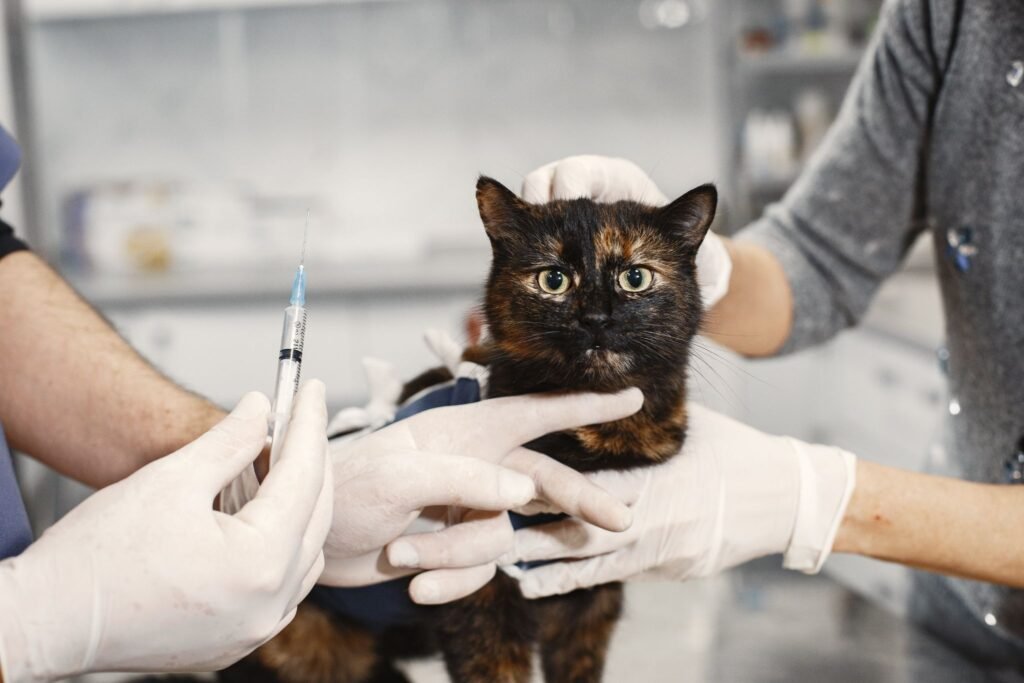
While ketoprofen is effective for pain management in animals, it’s crucial to be aware of its safety considerations and potential side effects. KETOFEN Injectable Solution is recommended for the alleviation of inflammation and pain associated with musculoskeletal disorders in horses. The product is an FDA-approved non-narcotic, nonsteroidal anti-inflammatory agent with analgesic and antipyretic properties. Implementing safety precautions can help minimize risks associated with its use.
- Monitor for gastrointestinal issues like ulcers or bleeding.
- Watch for signs of kidney dysfunction, especially in long-term use.
- Be cautious in animals with pre-existing liver conditions.
- Observe for allergic reactions, including swelling or hives.
- Keep an eye on behavioral changes that may indicate discomfort or adverse effects.
Understanding these side effects will empower you to make informed decisions in your practice.
Always consult with a veterinarian to guarantee the well-being of your patients, especially when considering long-term effects of ketoprofen treatment.
Comparing Ketoprofen With Other Pain Management Options
When considering pain management for your patients, it’s essential to compare ketoprofen with other non-steroidal anti-inflammatory drugs (NSAIDs).
You’ll want to assess not only the efficacy of ketoprofen but also its side effects and cost-effectiveness. Ketoprofen is a derivative of phenylpropionic acid, and belongs to the non-steroidal anti-inflammatory group of drugs. Like all such substances, its principal pharmacological actions are anti-inflammatory, analgesic and anti-pyretic.
This analysis will help you make informed decisions that prioritize your patients’ well-being and your practice’s financial health.
Efficacy Compared To NSAIDs
Although your choice of pain management for animals is essential, understanding the efficacy of ketoprofen compared to other non-steroidal anti-inflammatory drugs (NSAIDs) is important.
Ketoprofen offers unique advantages that make it a powerful option in veterinary care:
- Rapid onset of action, providing quick relief
- Effective in reducing inflammation and pain
- Suitable for a range of species and conditions
- Fewer dosing intervals, enhancing compliance
- Proven safety profile in various studies
When considering ketoprofen efficacy, it’s important to weigh these benefits against alternative NSAIDs.
Its ability to deliver targeted pain relief can greatly enhance your animal’s recovery and overall well-being, making it a compelling choice in your pain management strategy.
Side Effects Assessment
Understanding the potential side effects of ketoprofen compared to other pain management options is essential for making informed decisions in veterinary care.
While ketoprofen is effective for acute pain relief, it can cause gastrointestinal issues and renal complications in some animals, particularly with long-term use.
When evaluating side effects, it’s vital to compare these risks with alternatives like opioids or non-steroidal anti-inflammatory drugs (NSAIDs), which may present their own challenges.
You should assess the specific needs of each patient, considering both the short- and long-term effects of each treatment option.
Cost-Effectiveness Analysis
Evaluating the cost-effectiveness of ketoprofen compared to other pain management options is integral to ideal veterinary care.
A thorough cost analysis reveals several financial benefits that make ketoprofen a compelling choice:
- Lower overall treatment costs**: Ketoprofen often reduces the need for additional medications.
- Quick onset of action: Faster relief can lead to shorter recovery times and decreased hospital stays.
- Versatility: Suitable for various species, minimizing the need for multiple pain relief products.
- Reduced complications: Fewer side effects mean lower long-term costs associated with veterinary care.
- Enhanced quality of life: Improved pain management can lead to better outcomes and increased client satisfaction.
How Ketoprofen Improves Animal Recovery
When it comes to enhancing recovery in animals, ketoprofen plays an essential role by effectively managing pain and inflammation. By providing consistent analgesia, it allows your patients to undergo treatment with minimal discomfort, thereby improving their overall well-being.
You’ll notice that animals receiving ketoprofen tend to exhibit shorter recovery timelines, as they can engage in rehabilitation activities sooner. Accurate pain assessment is vital; with ketoprofen, you can better evaluate your patients’ responses, adjusting dosages as needed to optimize their comfort.
This proactive approach not only expedites healing but also enhances the quality of life during recovery. Ultimately, using ketoprofen contributes to a more successful recovery journey, ensuring your patients bounce back stronger and healthier.

RELATED STUDIES ABOUT KETOPROFEN VETERINARY INJECTION
In conclusion, ketoprofen injection is a powerful tool in veterinary pain management, effectively alleviating discomfort for many animals. Remarkably, studies show that over 80% of pets experience significant pain relief within hours of administration. This rapid response not only enhances their quality of life but also aids in faster recovery from surgeries and injuries. By understanding and utilizing ketoprofen, you can play an essential role in ensuring your pets receive the compassionate care they deserve.
The effects of ketoprofen and meloxicam on oxidative stress through the glutathione pathway after ketamine-xylazine anesthesia and ulcer induction in rats: A comparative study
This study compared the effects of two non-steroidal anti-inflammatory drugs (NSAIDs)—ketoprofen (KTP) and meloxicam (MLX)—on oxidative stress (OS) via the glutathione (GSH) pathway in rats following ketamine-xylazine (K-X) anesthesia and surgical ulcer induction. The goal was to identify optimal postoperative analgesic regimens that mitigate anesthesia-related oxidative damage.
Key Findings
- Study Design: Eighty healthy male Wistar rats were divided into three groups: a control group (K-X anesthesia only) and two experimental groups receiving either KTP (5 mg/kg) or MLX (2 mg/kg) prior to anesthesia and ulcer induction.
- Oxidative Stress Impact: General anesthesia with K-X caused alterations in markers related to the GSH pathway, confirming that patients undergoing anesthesia are exposed to oxidative stress.
- Impact of NSAIDs:
- Both KTP and MLX significantly augmented reduced glutathione (rGSH) levels, lowered oxidized glutathione (GSSG), and accelerated glutathione peroxidase (GPx) activity compared to the control group.
- Both drugs demonstrated a high inhibitory effect on glutathione reductase (GR).
- Both KTP and MLX successfully maintained the balance between oxidative stress markers disrupted by general anesthesia.
- Clinical Recommendations:
- Ketoprofen (KTP): Identified as a suitable analgesic regimen for surgeries requiring pain management for less than 24 hours.
- Meloxicam (MLX): Recommended as the preferable option for surgeries requiring extended analgesia beyond 24 hours.
Conclusion
Ketoprofen and meloxicam both effectively reduce pain and inflammation through the modulation of oxidative stress pathways following surgery. The choice between them should be based on the required duration of analgesia, with MLX providing better sustained balance of oxidative stress markers for longer recovery periods.
| REFERENCE: Azin Sheverini, Ali Khezrian, Ali Shojaeian, The effects of ketoprofen and meloxicam on oxidative stress through the glutathione pathway after ketamine-xylazine anesthesia and ulcer induction in rats: A comparative study, Veterinary and Animal Science, Volume 25, 2024, 100377, ISSN 2451-943X, https://doi.org/10.1016/j.vas.2024.100377. (https://www.sciencedirect.com/science/article/pii/S2451943X24000449) |
Efficacy of ketoprofen for treatment of spontaneous, culture-negative, mild cases of clinical mastitis: A randomized, controlled superiority trial
This randomized, controlled superiority trial evaluated whether a single intramuscular injection of ketoprofen (3 mg/kg) could serve as an effective sole treatment for mild or moderate clinical mastitis cases that tested negative via on-farm culture (OFC).
Key Findings
- Study Population: The study analyzed 123 clinical mastitis cases (58 control, 65 ketoprofen) across 3 dairy herds in Brazil. Moderate cases were excluded, leaving only mild cases for analysis.
- Clinical Outcomes: The study found no significant differences between the ketoprofen-treated (KET) and untreated (CON) groups regarding:
- Clinical Cure: 83.08% for KET vs. 91.23% for CON (P=0.35).
- Relapse Risk: 19.23% for KET vs. 18.00% for CON (P=0.85).
- Recurrence Risk: 17.31% for KET vs. 18.00% for CON (P=0.61).
- Secondary Metrics:
- New Intramammary Infection (IMI): No significant difference in the risk of new IMI was observed at 14 days (P=0.26) or 21 days (P=0.14) post-detection.
- Somatic Cell Count (SCC): Mean SCC did not differ significantly between the groups at 14 or 21 days post-detection.
Conclusion
The results do not support the use of a single intramuscular injection of ketoprofen as a standalone treatment for OFC-negative, mild clinical mastitis. The treatment failed to reduce the time to clinical cure, relapse, or recurrence, nor did it lower milk somatic cell counts or the risk of subsequent IMI compared to untreated controls. Researchers noted an unexpected trend of shorter time to clinical cure in the control group, suggesting that ketoprofen may potentially suppress inflammatory mechanisms necessary for resolution and tissue repair.
| REFERENCE: G.S. Latosinski, M.J. Amzalak, J.C.F. Pantoja, Efficacy of ketoprofen for treatment of spontaneous, culture-negative, mild cases of clinical mastitis: A randomized, controlled superiority trial, Journal of Dairy Science, Volume 103, Issue 3, 2020, Pages 2624-2635, ISSN 0022-0302, https://doi.org/10.3168/jds.2019-17504. (https://www.sciencedirect.com/science/article/pii/S0022030220300400) |
The effect of ketoprofen lysine salt on mucosa of rat stomach after ethyl alcohol intoxication
This study investigated whether ketoprofen lysine salt (KLS)—a formulation designed to improve solubility and tolerance—exerts a gastroprotective effect on the gastric mucosa of rats following alcohol-induced injury, a model simulating human “binge drinking”.
Key Findings
- Study Design: Researchers used 36 Wistar rats divided into six groups, with experimental conditions involving the administration of 50% ethanol, 0.9% NaCl (saline), ketoprofen, or KLS via gavage to observe histological changes in gastric mucosa.
- Histopathological Results:
- Rats receiving only saline or ethanol alone (Groups 1–3) showed normal gastric mucosa without signs of inflammation.
- Rats receiving ethanol combined with ketoprofen or KLS (Groups 4–6) exhibited moderate lymphoplasmacytic and eosinophilic gastritis, characterized by inflammatory cell infiltrates in the mucosa and submucosa.
- There was no statistically significant difference in the histological damage scores between groups treated with ketoprofen and those treated with KLS.
- Systemic Effects:
- Animals treated with KLS and ethanol showed significant decreases in serum albumin and total protein compared to control groups.
- No statistically significant gastroprotective effect was observed for KLS regarding gastric mucosa integrity compared to standard ketoprofen.
Conclusion
The study concludes that ketoprofen lysine salt (KLS) does not possess gastroprotective properties against ethanol-induced gastric injury and does not protect the stomach from the damage associated with binge drinking. Consequently, the researchers advise against the use of ketoprofen or its lysine salt formulation following the consumption of distilled spirits, as they do not mitigate the gastrointestinal toxicity exacerbated by alcohol.
| REFERENCE: Joanna Kuczyńska, Barbara Nieradko-Iwanicka, The effect of ketoprofen lysine salt on mucosa of rat stomach after ethyl alcohol intoxication, Biomedicine & Pharmacotherapy, Volume 141, 2021, 111938, ISSN 0753-3322, https://doi.org/10.1016/j.biopha.2021.111938. (https://www.sciencedirect.com/science/article/pii/S0753332221007204) |
CONCLUSION
Looking at the broader landscape of modern veterinary pain control, ketoprofen injection remains a cornerstone active ingredient when applied with scientific rigor and precision. As someone who spends his life evaluating how chemicals interact with animal physiology, I view effective pain management not as a luxury, but as an absolute requirement for animal welfare.
The clinical data consistently demonstrates that suppressing inflammatory cascades early in the treatment process leads to dramatically improved recovery times, better mobility, and superior overall quality of life. That said, our responsibility as scientists, veterinarians, and animal caretakers doesn’t end when the injection is administered. We must stay vigilant regarding dosing guidelines, potential side effects, and individual patient risk factors.
By combining rigorous research with compassionate, individual-focused care, we can harness the therapeutic power of drugs like ketoprofen while minimizing toxicological risks. Ultimately, our goal is simple: helping animals bounce back safely, comfortably, and happily so they can get back to living their best lives.